
Last updated November 4, 2026
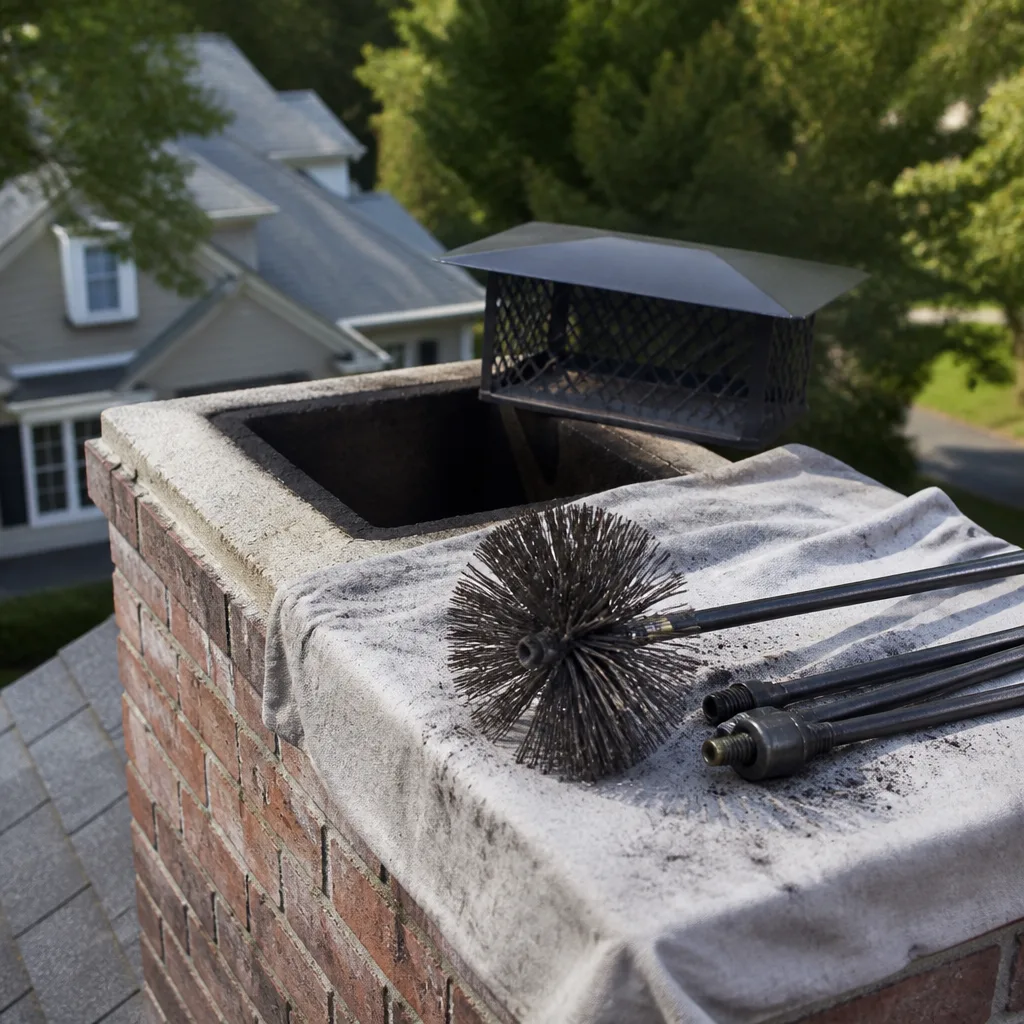 Sweep & inspection
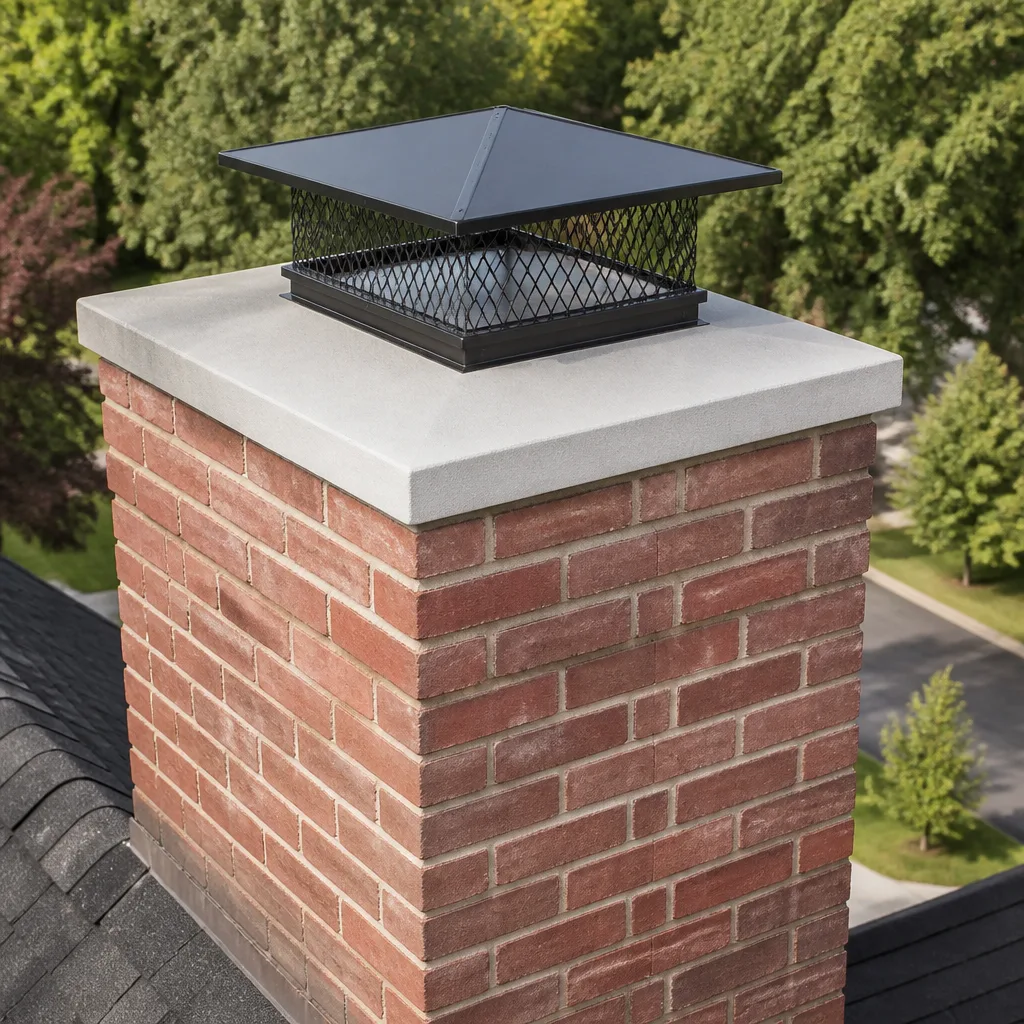 Caps & crowns
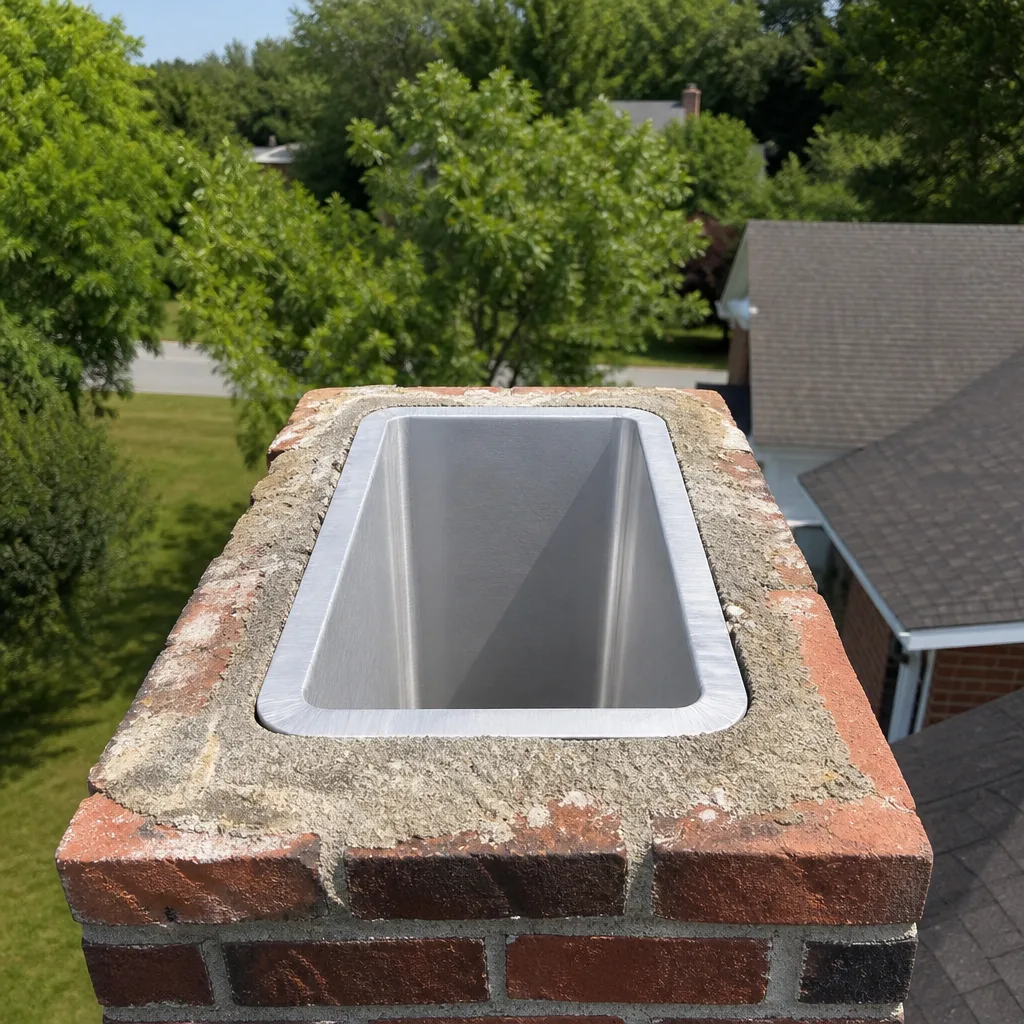 Flue relining
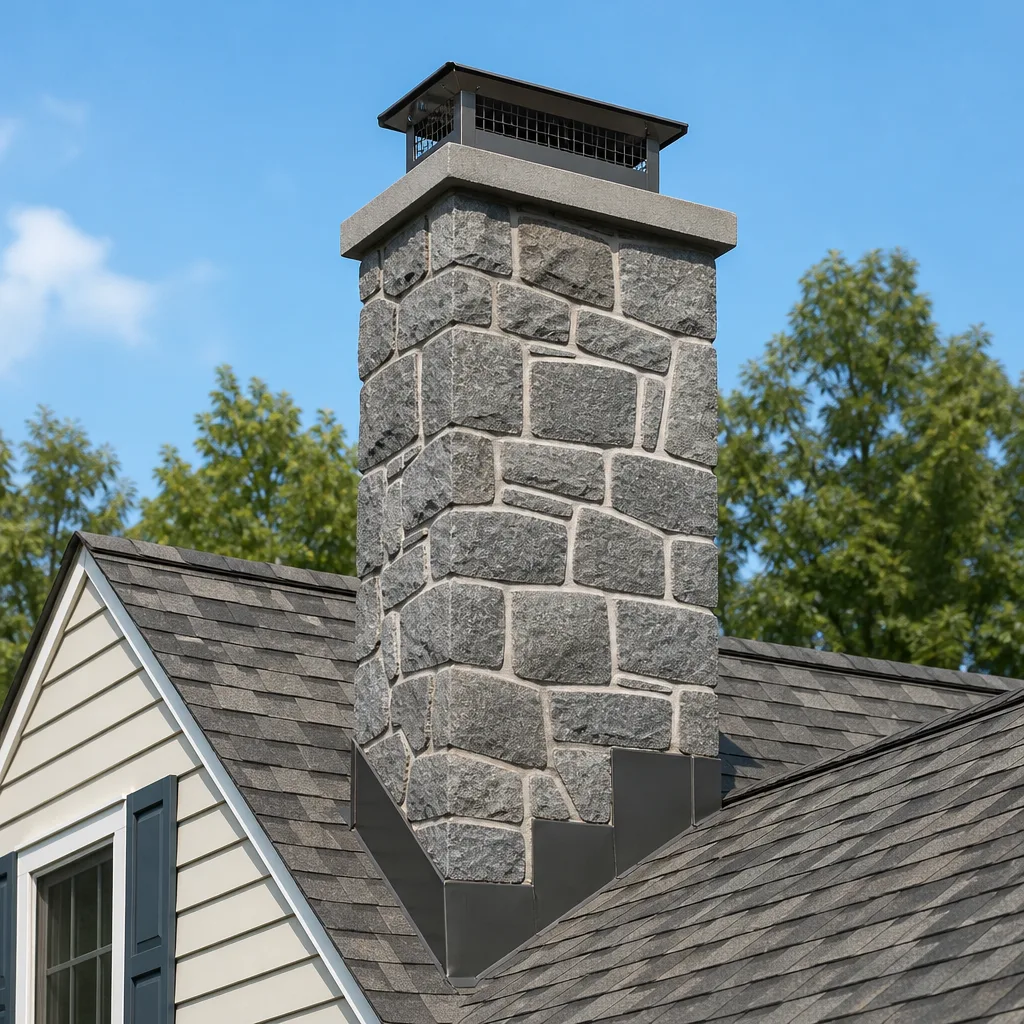 Masonry repair
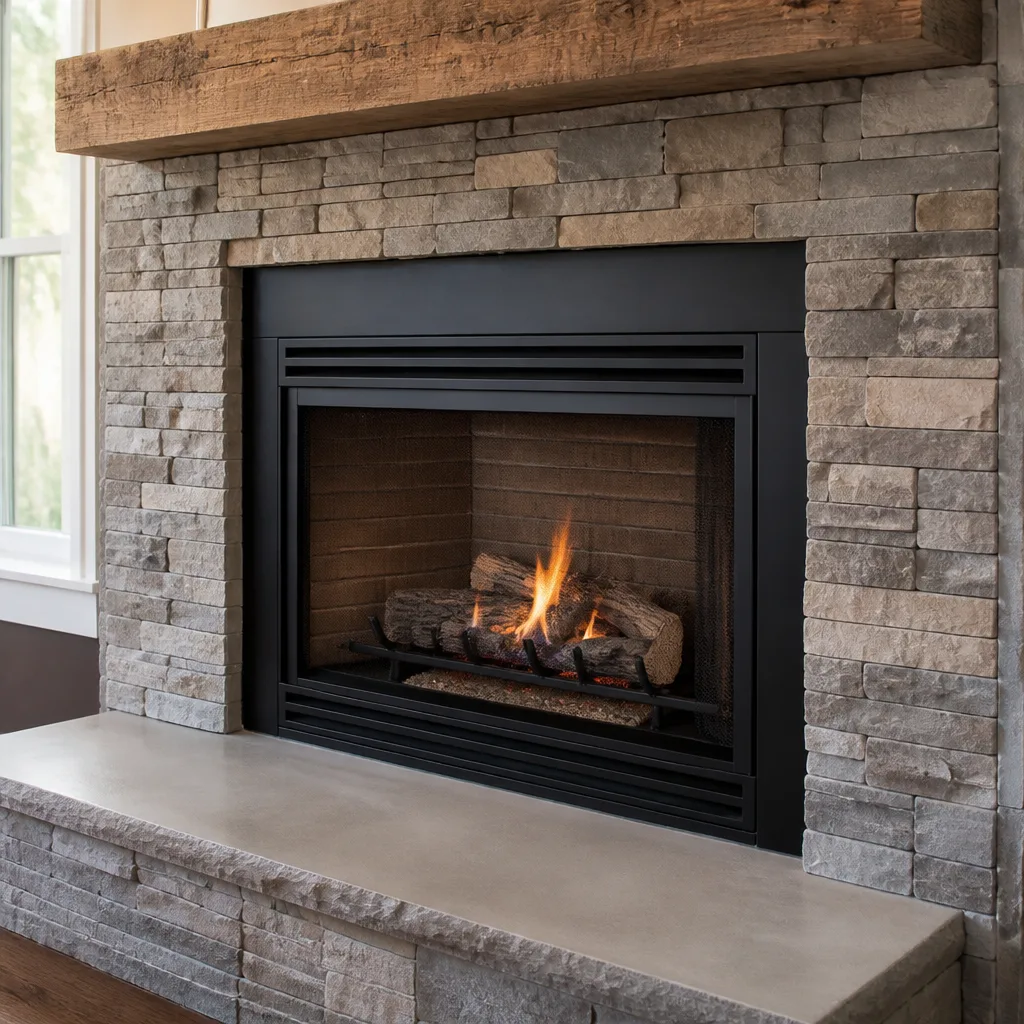 Gas fireplace service
Level 1 sweep and inspection to the NFPA 211 annual standard - flue, crown, cap, and flashing checked and photographed
Chimney sweep logs do not sweep chimneys. They loosen some creosote - which then falls where a brush and vacuum still have to collect it.
DIY vs Professional Chimney Cleaning: The Arleta Homeowner’s Decision Guide
You can brush your own flue. You can buy the rods, the wire brush, the drop cloths, the whole setup for less than what a professional visit costs, and on a straightforward masonry fireplace with a clean liner, it works. But here’s the thing most DIY guides never tell you: brushing only tells you the flue is clean. It doesn’t tell you the liner isn’t cracked, the crown isn’t spalling, or the smoke chamber isn’t packed with creosote you can’t reach from the top. And in Arleta, where a lot of the housing stock predates 1980 and a surprising number of wood fireplaces have been converted to gas, that gap between “clean” and “sound” is exactly where chimney fires start. This guide walks through what DIY can and cannot do, what it actually costs, and the specific scenarios where calling a professional is not just smarter but the only defensible choice.
Quick Answer
DIY chimney cleaning is a reasonable option for Arleta homeowners with single-story masonry fireplaces, light seasonal use, and flues that have been professionally inspected within the past two years. It is a poor idea for anyone with a pre-1980 clay liner, a gas insert conversion, a two-story chimney, or no documented inspection history, because brushing cannot assess structural damage, and undetected liner failure is what turns a routine fire into a house fire. When in doubt, a professional sweep with camera inspection costs less than most homeowners assume and gives you something a brush never will: documented evidence the entire system is safe.
Styles & brands we work with
- Sweep & inspection
- Caps & crowns
- Flue relining
- Masonry repair
- Gas fireplace service
Table of Contents
- What DIY Chimney Cleaning Can Actually Do
- What DIY Cannot Assess: The Inspection Gap
- Arleta Housing Scenarios: When DIY Makes Sense and When It Doesn’t
- The Real Cost of DIY Equipment vs One Professional Visit
- The Liability Gap: Insurance and DIY Maintenance
- What to Tell a Professional If You’ve Done Your Own Cleaning
- Safety Considerations Every Arleta Homeowner Should Know
What DIY Chimney Cleaning Can Actually Do
A basic chimney brush kit removes loose creosote and soot from the flue walls. That’s it. If your fireplace is a straightforward masonry unit with a clay tile liner, your wood is properly seasoned, you burn fires regularly but not constantly, and you’ve had a professional inspection recently, brushing the flue yourself can maintain a system that’s already known to be sound. The process is simple enough: drop cloths over the hearth, rods assembled and run up from inside or down from the roof, brush worked through the full flue length, then a visual check with a flashlight to confirm the walls look clean. It’s physical work, especially in Arleta summers when the roof surface is hot and the flue is warm, but it’s not technically complicated.
The key word is maintain. DIY brushing maintains a system someone has already verified. It doesn’t establish that the system is safe to begin with. Homeowners who understand this distinction do well. The ones who don’t are the ones we hear about after the fact. If you want to handle your own routine maintenance, the responsible sequence is professional inspection first, then DIY brushing between inspections, not the other way around. Our chimney sweep service includes camera inspection precisely because the cleaning is only half the job.
What a DIY Kit Realistically Handles
- Light creosote buildup: The flaky, dusty stuff from regular fires with seasoned wood.
- Removable soot: The black coating that comes off when you brush it.
- Single-flue systems: One fireplace, one flue, one straightforward run.
- Accessible chimney tops: Single-story homes with easy, safe roof access.
- Frequent, light burning: Homeowners who burn a fire or two a week, not whole-cord weekends.
What DIY Cannot Assess: The Inspection Gap
Brushing a flue tells you one thing: how much creosote came off the brush. It does not tell you whether the clay liner behind that creosote has cracked, whether the mortar joints between tiles have failed, whether the crown is letting water seep into the chimney structure, or whether a previous owner’s gas conversion left the flue mis-sized for the current appliance. These are the conditions that cause chimney fires and carbon monoxide intrusion, and every one of them requires a camera, a trained eye, and the willingness to document what’s actually there. That’s the inspection gap, and it’s the single most important concept in this guide.
The Five Things a Brush Cannot See
- Clay liner cracks and spalling: Hairline fractures expand under heat, and a cracked liner in a pre-1980 Arleta chimney is a fire waiting for the right conditions.
- Failed mortar joints between tiles: Gaps let hot gases reach the brick or framing around the chimney, bypassing the liner entirely.
- Hidden creosote in the smoke chamber: The area above the damper but below the flue accumulates creosote differently than the flue itself, and standard DIY brushes often can’t reach it properly.
- Crown deterioration and water intrusion: Arleta’s dry climate doesn’t cause freeze-thaw damage, but sun exposure and age crack crowns over time, and water intrusion accelerates liner failure.
- Gas conversion mis-sizing: When a wood fireplace is converted to gas, the existing flue is often too large, leading to condensation, acidic residue, and accelerated liner damage.
This is why we say cleaning is maintenance but inspection is protection. A Chimney Sweep Arleta service call includes both, and the camera footage becomes part of the record you keep for insurance and resale purposes.
Arleta Housing Scenarios: When DIY Makes Sense and When It Doesn’t
Arleta has a specific housing profile that shapes this decision more than most homeowners realize. The neighborhood’s single-story ranch homes are generally the best candidates for careful DIY maintenance: simple rooflines, short flue runs, and straightforward masonry construction. But plenty of Arleta homes have characteristics that push this decision firmly toward professional attention.
Scenario One: Single-Story Ranch with Recent Inspection
DIY Verdict: Reasonable. If you live in one of the single-story homes in the central or eastern parts of Arleta, your chimney top is easily accessible, and you’ve had a professional camera inspection within the last 24 months that showed a sound liner, DIY brushing between inspections is a legitimate way to handle routine maintenance. The flue run is short, the roof access is manageable, and the risk profile is low. Just be honest with yourself about the inspection part. If you can’t remember the last time anyone looked inside your flue with a camera, you’re not maintaining a known-good system; you’re rolling dice.
Scenario Two: Pre-1980 Clay Liner, No Inspection History
DIY Verdict: No. A large share of Arleta housing stock was built before 1980, which means original clay tile liners that are now forty-plus years old. Clay liners crack. They always crack eventually. The only question is whether the cost of not catching it early is a chimney fire or a complete rebuild. We’ve seen chimneys where the flue looked fine from the top but the camera revealed cracks you could slide a putty knife through. Brushing that flue would have given the homeowner false confidence while the damage kept progressing. If your home has an original clay liner and no documented inspection history, the absolute first step is a professional camera inspection. DIY is not on the table until that happens.
Scenario Three: Gas Insert Conversion
DIY Verdict: No. Gas inserts and gas log sets are common in Arleta, often installed by a previous owner to replace wood burning. These conversions create specific problems: the old flue is usually oversized for the new appliance, which leads to condensation and acidic deposits that attack clay liners and mortar. The cleaning requirements are also fundamentally different. Gas produces water vapor and acidic residue, not wood creosote, and that residue eats at masonry in ways a wire brush can’t fix. Worse, a DIYer working on a gas fireplace may disturb gas connections, mis-set the damper, or fail to recognize improper venting. Gas systems are not where you save a few dollars learning as you go.
Scenario Four: Two-Story or Steep-Pitch Roof
DIY Verdict: No. Arleta has a mix of single-story and two-story homes, and the two-story ones have chimneys that are genuinely dangerous to access without roof brackets, proper ladders, and a second person. The roof angle, the height, the awkwardness of working over a long flue run from above, the risk of damaging roofing material; all of this compounds fast. A fall from a two-story roof in Arleta is a life-changing injury, and no amount of money saved on a chimney sweep justifies that risk. We handle two-story flues with professional equipment and a two-person crew, and even then, roof work demands respect.
Scenario Five: Stucco Exterior Hiding Crown Deterioration
DIY Verdict: No. Arleta’s stucco exteriors look clean, but stucco hides what’s happening behind it. A crown that’s deteriorating, a chase that’s rusting, flashing that’s separating; none of it shows through the stucco until the damage is extensive. By the time water stains appear on an interior ceiling, the chimney has been failing for years. A professional who works on Arleta homes knows where to look for concealed damage, and the camera inspection includes the areas you can’t see from the ground or from the roof.
The Real Cost of DIY Equipment vs One Professional Visit
Let’s talk numbers, because this is where the DIY case either makes sense or doesn’t, and most guides fudge it. A proper DIY chimney cleaning kit in Arleta costs real money. You’re not buying a wire brush on a rope; you’re buying sectional fiberglass rods, a correctly sized brush head, a drop cloth set, a shop vacuum with a HEPA filter, a chimney cap removal tool, a mirror or inspection light, a dust mask, and eye protection. That’s a realistic equipment outlay of $180 to $350 for quality kit that will last several seasons. If you already own a shop vacuum, the cost drops, but the HEPA filter alone can run $30 to $60, and using a standard vacuum filter is how you blow fine creosote dust through your entire living room.
Compare that to a professional chimney sweep in Arleta, which typically runs $150 to $300 for a standard fireplace, depending on flue condition and access. The DIY kit pays for itself on visit two, assuming you use it correctly and your chimney is already sound. But here’s the part the DIY blogs skip: the professional visit includes camera inspection, which the DIY kit doesn’t, and every future professional visit after DIY maintenance still includes that inspection. You’re not replacing the professional; you’re supplementing between visits. The real math is DIY kit plus inspection every 24 to 36 months versus professional cleaning plus inspection every 12 to 24 months. If you burn heavily, the professional schedule wins on pure value. If you burn lightly and your system is known to be sound, DIY between inspections is defensible.
Realistic Cost Breakdown
- DIY kit, quality components: $180 to $350 upfront, 5 to 8 years of useful life, one to two cleanings per year.
- DIY kit, bargain components: $80 to $150 upfront, breaks or underperforms quickly, false economy.
- Professional cleaning with camera inspection: $150 to $300 per visit, includes documentation, no equipment storage, no roof work for you.
- DIY kit plus periodic professional inspection: The recommended hybrid for light burners, total cost spread over time.
The Liability Gap: Insurance and DIY Maintenance
Every homeowner’s insurance policy has language about maintenance, and chimney fires are where that language gets tested. Insurers don’t expect you to be a chimney professional, but they do expect you to have maintained the system in a way that a reasonable homeowner would. The problem with DIY cleaning is that it creates a documentation vacuum. If a chimney fire happens, the insurance adjuster asks when the chimney was last cleaned and inspected, by whom, and where the records are. A DIYer who brushed the flue themselves has no documentation, no third-party verification, and no evidence the system was structurally sound before the fire. An Arleta homeowner who can produce a professional inspection report from the past two years is in a fundamentally different position.
This matters even more with gas conversions, which are common in Arleta. A gas appliance that vents into a deteriorated flue can produce carbon monoxide, and CO incidents are a different category of insurance claim entirely. If the homeowner is on record as having “maintained” the chimney themselves, and the CO event traces back to a liner problem that professional inspection would have caught, the claim gets complicated fast. We’re not lawyers and we don’t offer legal advice, but we’ve worked on enough post-incident chimneys to know that documentation is what separates a straightforward claim from a contested one. A professional cleaning and inspection near Arleta costs less than your deductible and leaves a paper trail. That’s the honest framing.
What to Tell a Professional If You’ve Done Your Own Cleaning
Plenty of Arleta homeowners do their own brushing between professional visits, and that’s fine; it’s the responsible hybrid model. The key is the information you hand over when the professional arrives. If you’ve been maintaining your own flue, your sweep needs to know specific things to avoid missing the exact damage that DIY maintenance can conceal. Here’s what to say before the first brush goes up:
- How often you’ve cleaned it yourself, and with what. The type of brush, whether you cleaned from the top or bottom, and the last time you did it. This tells the professional what residue patterns to expect.
- Any observations about the brush. Did you notice resistance in a particular spot? Did the brush come back with unusual deposits, glassy creosote, or material that looked like tile fragments? Those aren’t minor details; they’re symptoms.
- Your burning habits. How often, what kind of wood, whether you burn manufactured logs, and whether you ever burn pine or other resinous wood. This shapes the professional’s expectations for creosote type and volume.
- Any changes to the fireplace or insert. If a previous owner installed a gas insert, changed the damper, or altered the firebox, the professional needs to know before camera inspection, because it changes what they look for.
- Any water intrusion you’ve noticed. Damp patches on the ceiling near the chimney, musty smells after rain, visible cracks in the stucco around the chimney; all of it goes to the crown and flashing condition.
- Whether anyone has ever told you the liner might be damaged. If a previous inspection or home sale report mentioned liner issues, disclose it. A professional can’t fix what they don’t know to look for.
The handoff matters because DIY cleaning can actually mask damage. A freshly brushed flue is clean, but if the brushing removed creosote that was sealing a crack, the next fire has a direct line to the chimney structure. When we clean a flue in Arleta, the camera goes up every single time, and the homeowner gets to see what we see. That’s the difference between looking clean and being sound.
Safety Considerations Every Arleta Homeowner Should Know
Chimney work involves two distinct categories of risk: the immediate physical risk of working on a roof and the systemic risk of a chimney that isn’t venting correctly. Both deserve respect. The roof risk is obvious; a fall from even a single-story Arleta roof can be fatal, and chimney work adds the complication of brushes, rods, and tools that affect your balance. The systemic risk is quieter: creosote fires burn hot, and a chimney fire can reach temperatures that crack clay liners, ignite surrounding framing, and spread before you know it’s happening. Carbon monoxide is the third risk, especially in homes with gas inserts or gas water heaters venting through the same flue. A blocked or damaged flue doesn’t always produce smoke you can see; it produces CO you can’t smell.
If you choose to do your own brushing, use a proper dust mask rated for fine particulates, set up drop cloths to contain creosote dust, and never work on a roof in wet or windy conditions. If your chimney is two stories up, don’t do it at all; hire someone who does this professionally. And regardless of who does the cleaning, make sure the inspection happens. The camera doesn’t lie, and the documentation it produces is your protection against both the physical risk and the insurance liability gap.
Common Mistakes to Avoid
- Brushing without inspecting first. Cleaning a cracked-liner chimney gives false confidence and leaves a fire hazard in place. The inspection comes first, then the cleaning.
- Using a bargain brush kit. Cheap rods flex, break, and leave brush heads stuck in the flue. A stuck brush mid-flue is a miserable problem to solve and can require professional extraction.
- Ignoring the smoke chamber. DIYers clean the flue and call it done, but the smoke chamber above the damper collects creosote differently and is a common fire origin point that brushes often miss.
- Assuming gas fireplaces don’t need attention. Gas produces acidic residue that attacks clay liners and mortar, and gas conversions have their own venting requirements. Gas systems need inspection just like wood systems.
- Not documenting anything. A homeowner with no inspection records and a DIY cleaning history is in the worst possible position after an incident. Keep every professional report, and if you DIY, at least photograph what you see before and after.
- Working alone on a roof. Chimney work at height without a spotter is how accidents happen. If you’re on the roof, someone needs to be on the ground who can call for help.
- Treating the damper as optional equipment. The damper is part of the venting system, and a damaged or mis-set damper affects draft, efficiency, and CO risk. Don’t assume it’s fine because the fireplace still works.
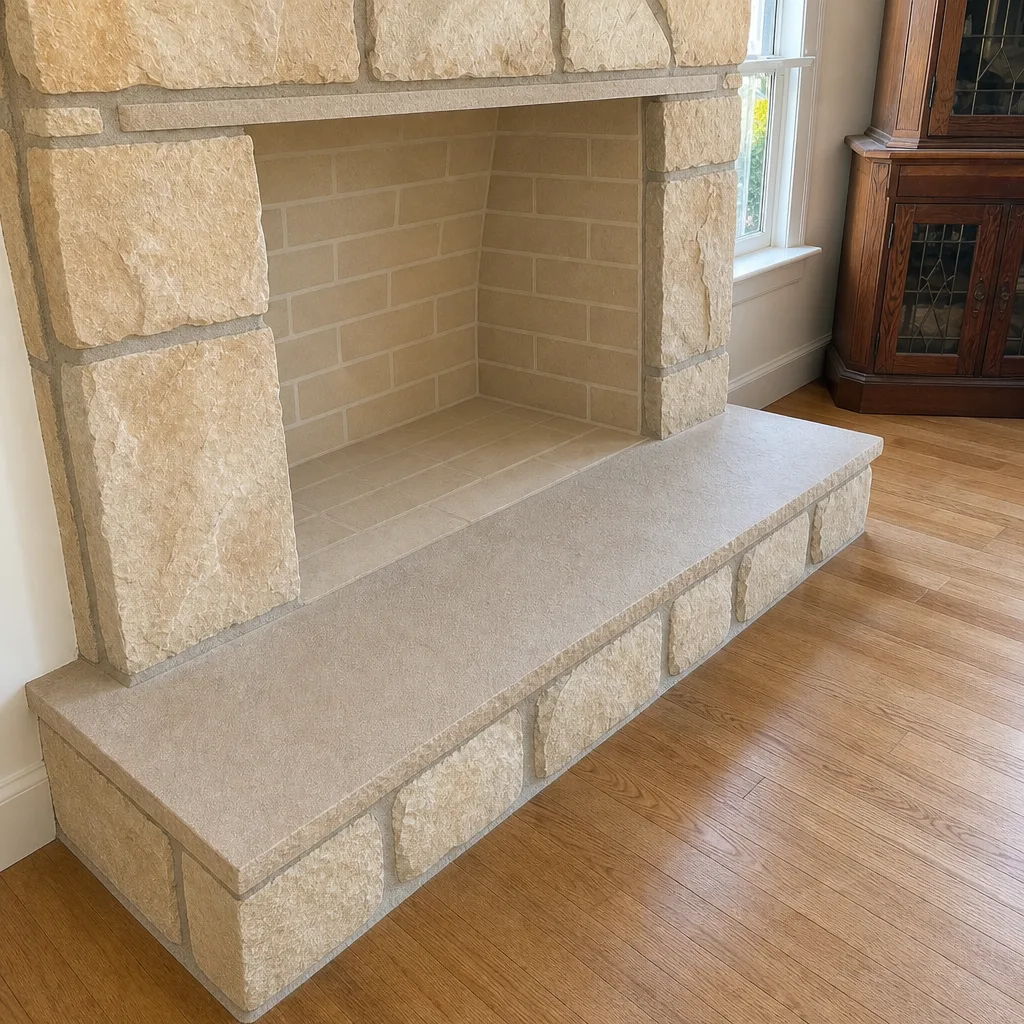
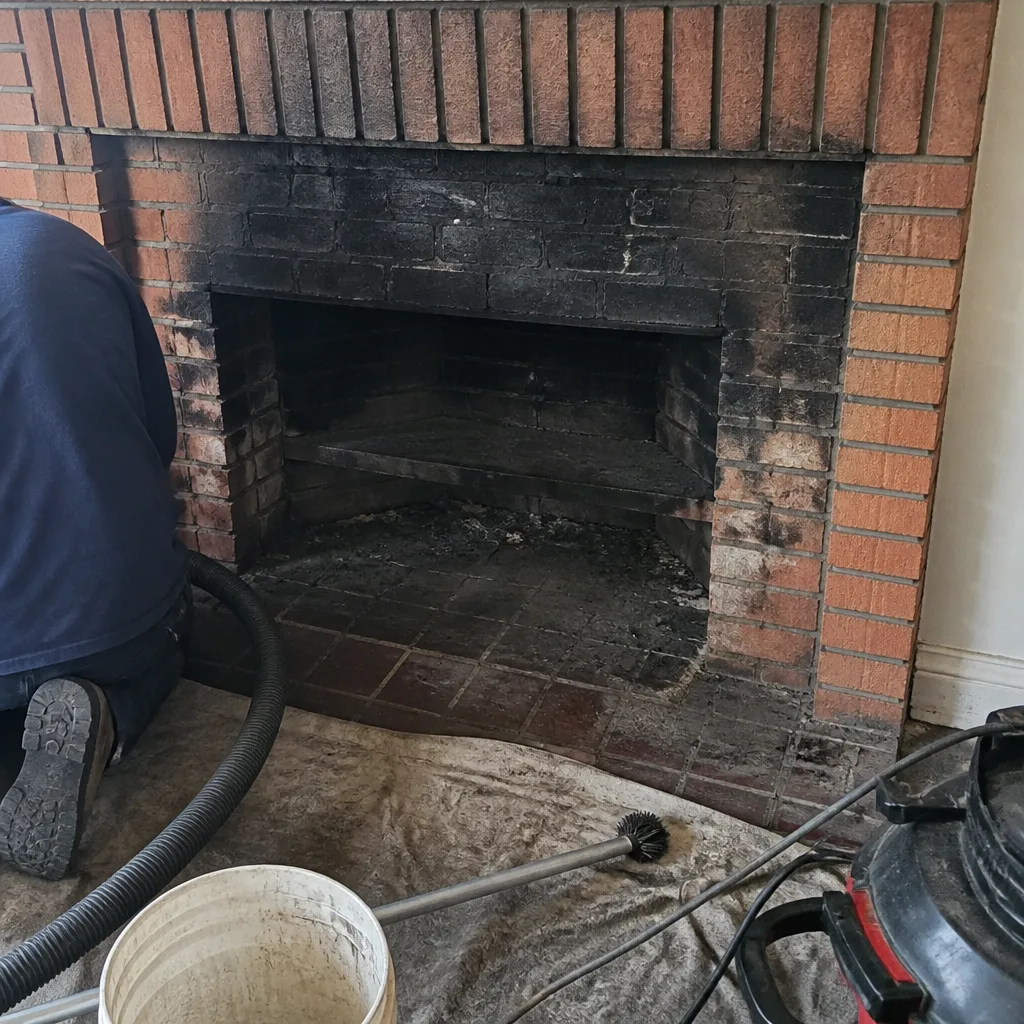
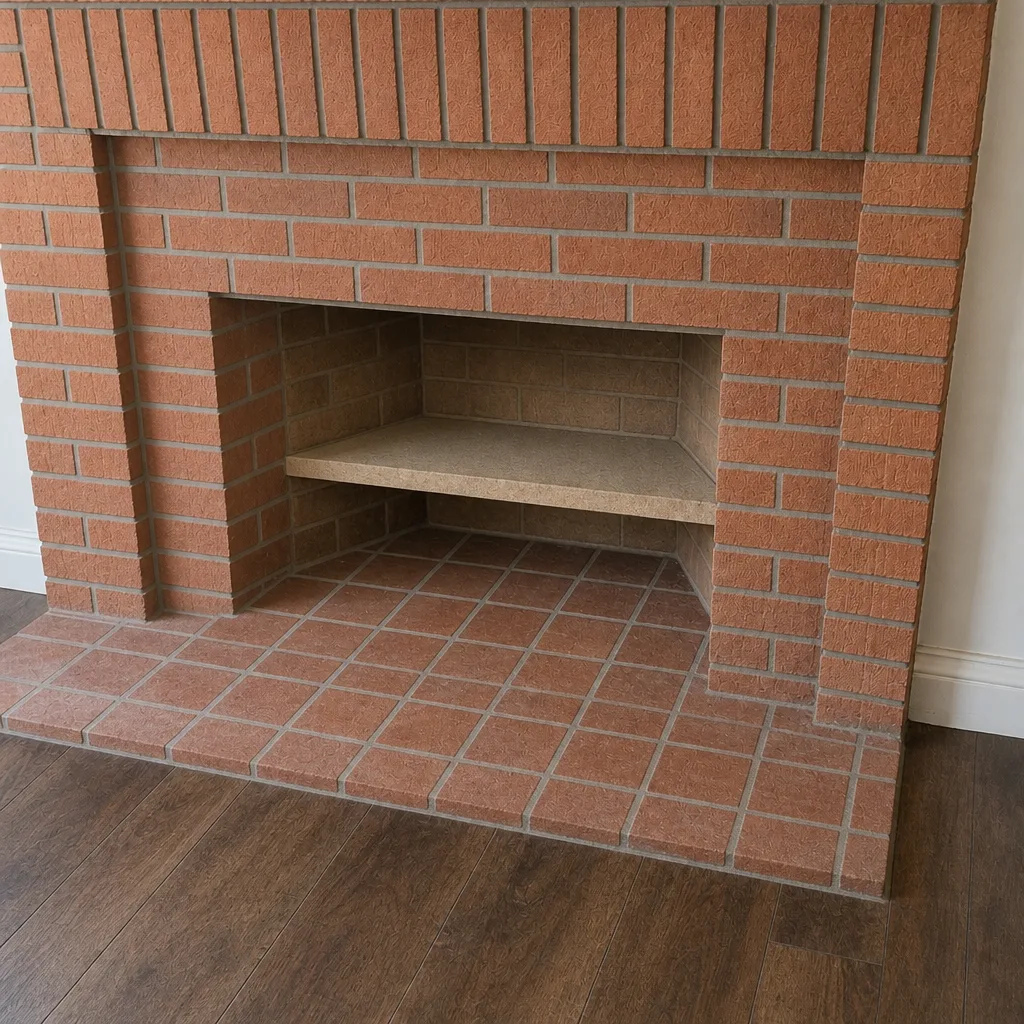
See the difference
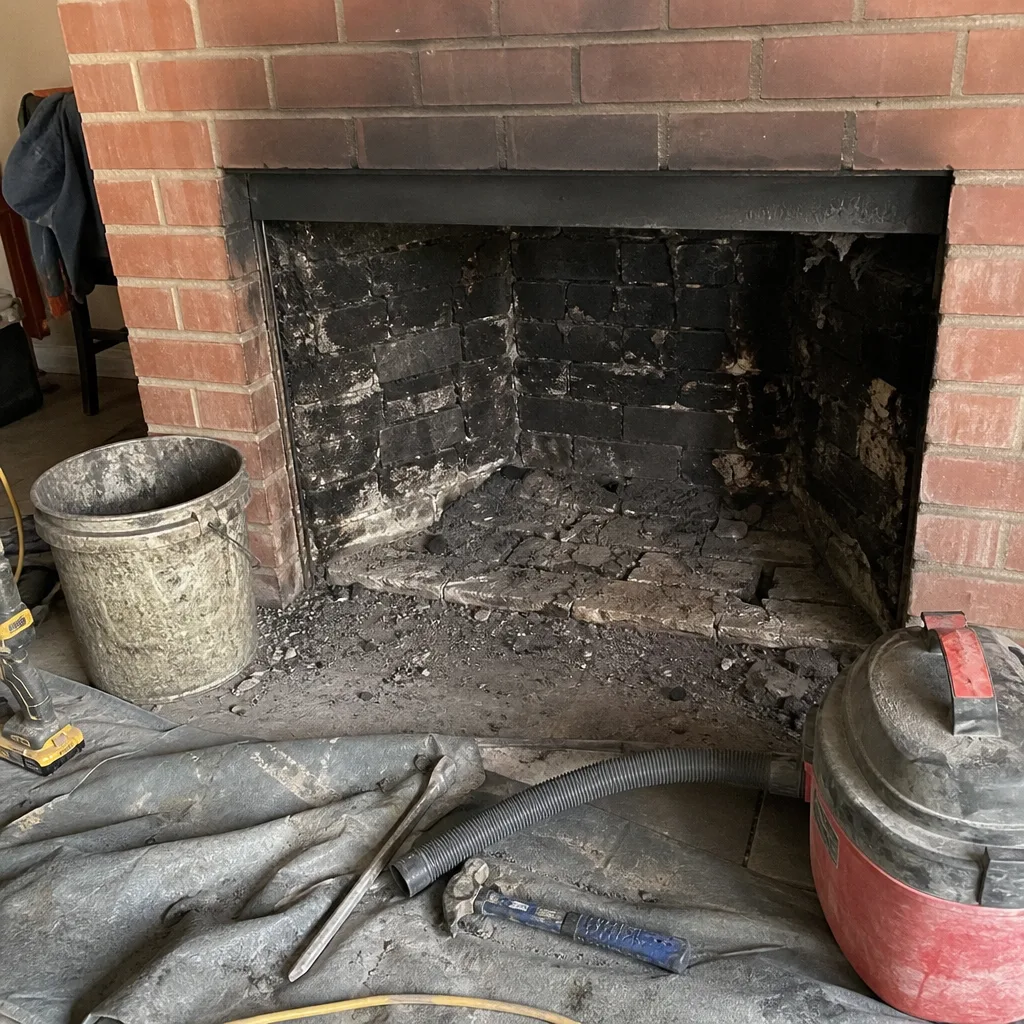 Before
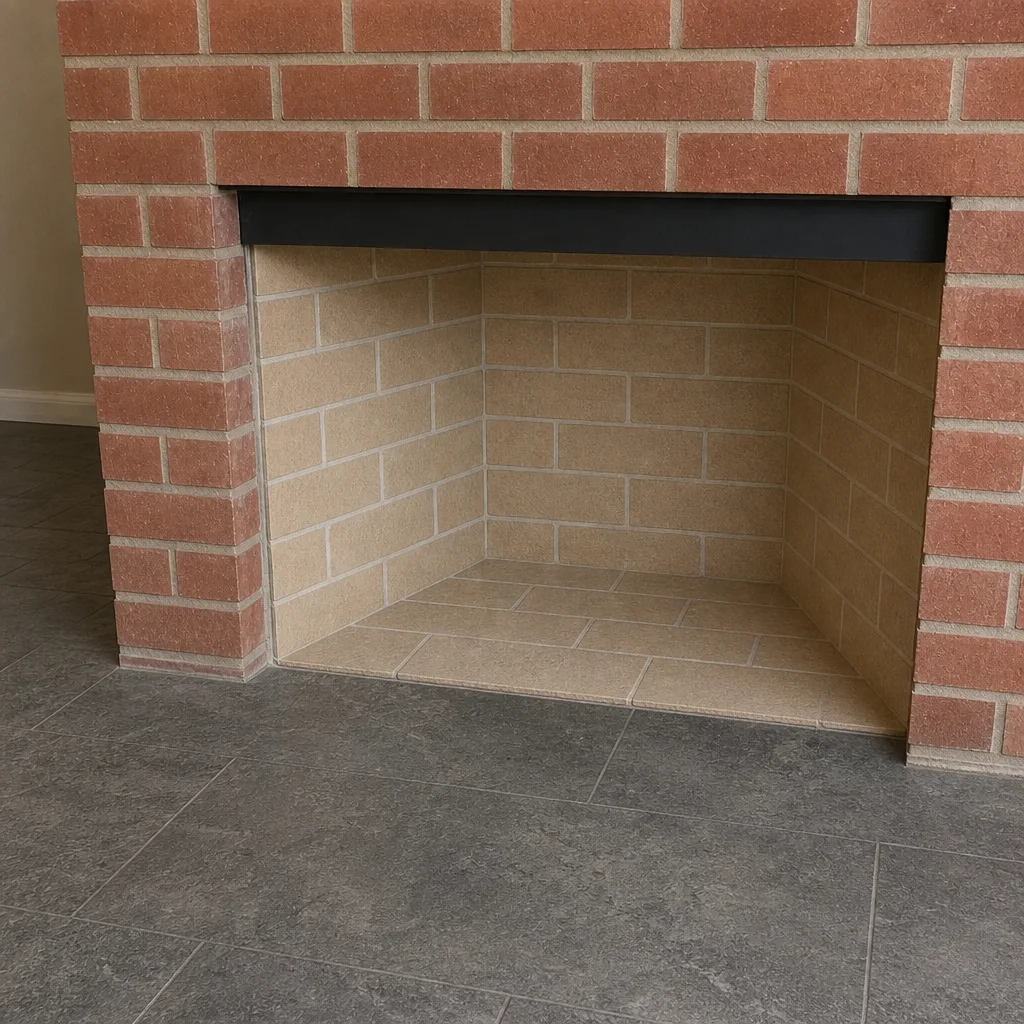 After
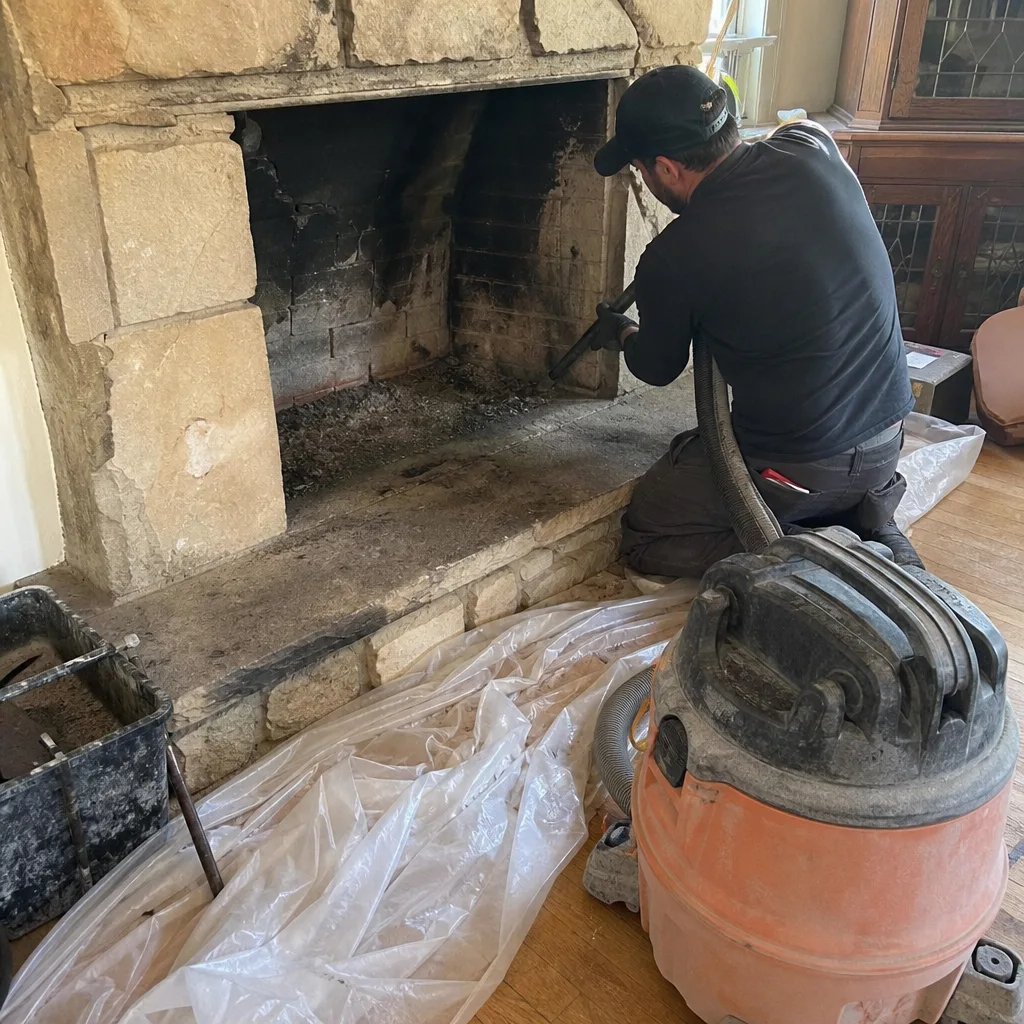 Before
 After
 Before
 After
When to Call a Professional
Call a professional when your chimney has a pre-1980 clay liner with no inspection history, when the fireplace has been converted to gas, when you have a two-story roof or any uncertainty about safe access, when you’ve seen water stains or stucco cracks around the chimney, or when you simply want documented evidence that the system is sound. DIY is for maintaining a known-good chimney, not for discovering whether you have one. Chimney Sweep Arleta offers free estimates in Arleta. Call (833) 958-9616 and we’ll put a camera up your flue before anyone touches a brush.
Frequently Asked Questions
A standard chimney sweep in Arleta typically costs between $150 and $300 for a single fireplace, depending on flue condition and roof access. The price is set by written estimate, and the visit includes camera inspection as part of the service. Call (833) 958-9616 for an exact quote; estimates are free, and we answer 24/7.
No. Cleaning without inspection maintains a system that hasn’t been verified, and in a pre-1980 Arleta home, the most likely hidden problem is a cracked clay liner that brushing won’t reveal. A professional camera inspection should happen before any DIY maintenance, and ideally every 24 to 36 months after that.
Yes, but for different reasons than wood fireplaces. Gas produces acidic residue that attacks clay liners and mortar, and gas conversions often leave the flue mis-sized, which accelerates the damage. A gas fireplace chimney needs inspection for liner condition and venting adequacy, and cleaning when residue accumulates.
Creosote accumulates and can ignite, producing a chimney fire that cracks liners and spreads to surrounding framing. In gas systems, the risk shifts to carbon monoxide: a blocked or damaged flue vents CO into the living space instead of outside. Neither risk announces itself with a warning label; both are prevented by regular inspection and cleaning.
The standard recommendation is every 12 to 24 months for wood-burning fireplaces, depending on burn frequency and wood type. Light burners with professionally verified systems can stretch toward 24 months, but every fire adds creosote, and Arleta’s mild winters mean many homeowners burn more often than they think because the fireplace is a comfort feature, not a heating necessity. Call (833) 958-9616 if you’re unsure; we can advise you based on what we see.
A camera inspection shows the entire flue interior, the smoke chamber, the damper, and the crown, documenting liner cracks, mortar joint failure, water intrusion, and gas conversion issues that no brush can detect. The homeowner sees the footage, receives a written record, and gets an honest assessment of what needs repair versus what can wait. That documentation is also what protects your insurance position after an incident.
The Bottom Line
DIY chimney brushing works for Arleta homeowners who have a single-story masonry fireplace, a recent professional inspection on file, and a realistic understanding of what brushing does and doesn’t do. It’s maintenance, not diagnosis, and the distinction matters more than most guides admit. If your chimney has an original clay liner, a gas conversion, a two-story roofline, or no inspection history, the responsible move is a professional camera inspection first, and maybe forever. In Arleta, the cost of that professional visit is roughly what you’d spend on a quality DIY kit, and it buys you something the kit can’t: documented proof your chimney is actually safe. Chimney Sweep Arleta handles sweeping, repair, and dryer vent cleaning so one call covers the whole venting system. Call (833) 958-9616 for a free estimate. We answer 24/7, with fast dispatch from 7am to 7pm, Sunday through Friday.
Written by the team at Chimney Sweep Arleta, serving Arleta since 2017.