
Last updated November 4, 2026
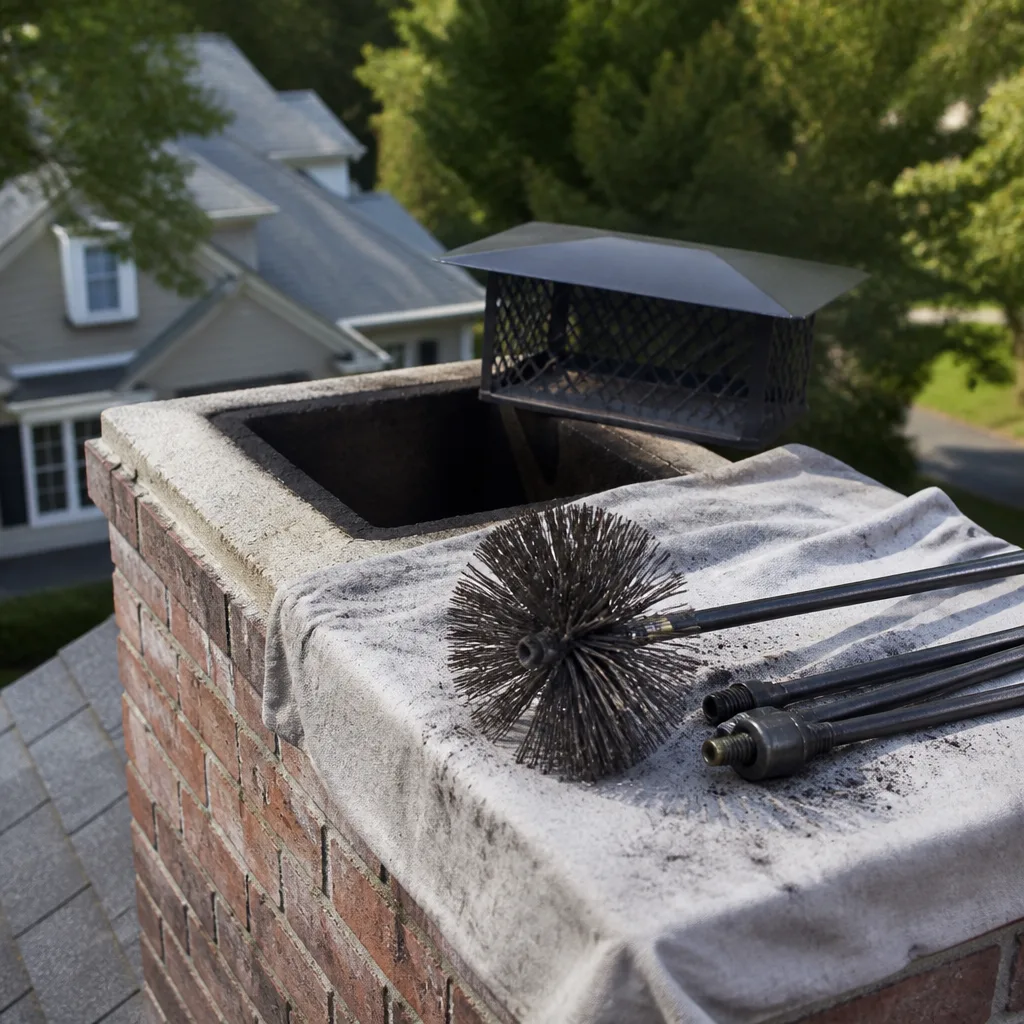 Sweep & inspection
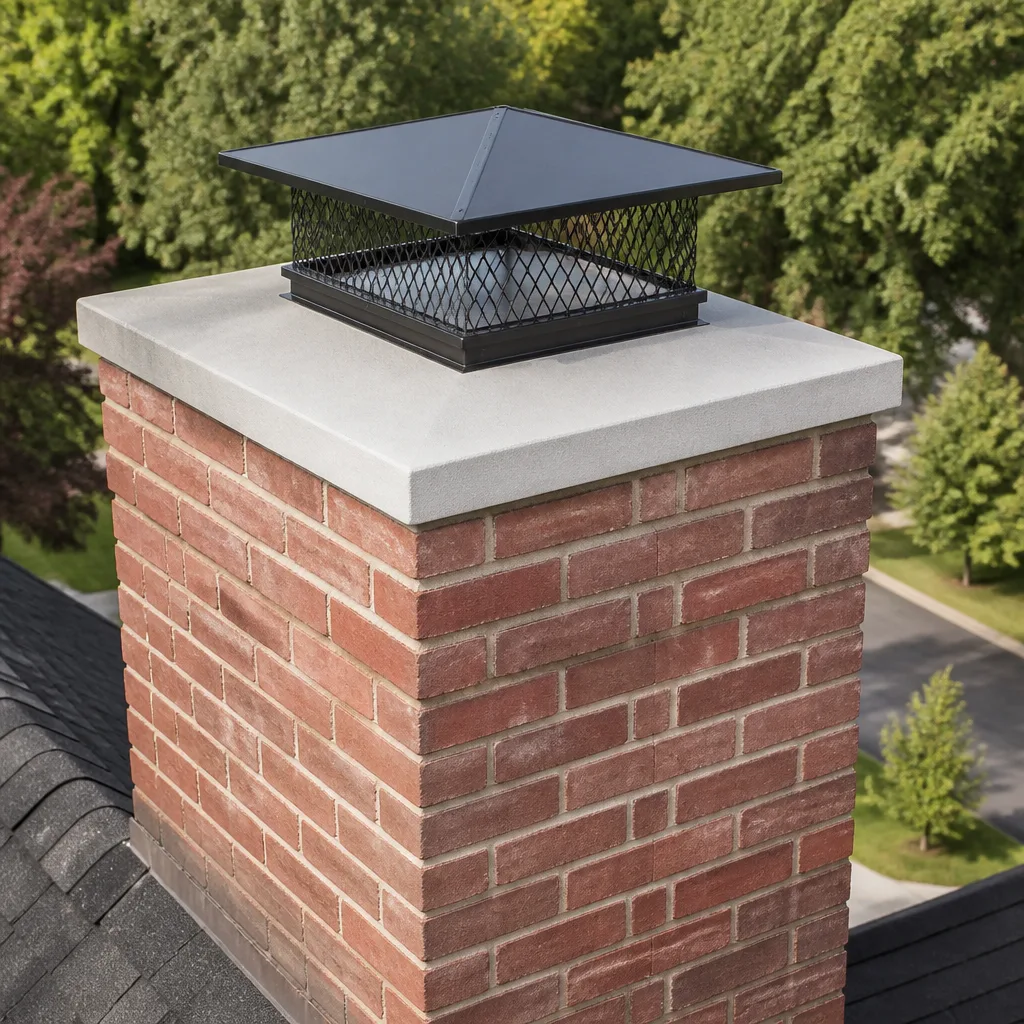 Caps & crowns
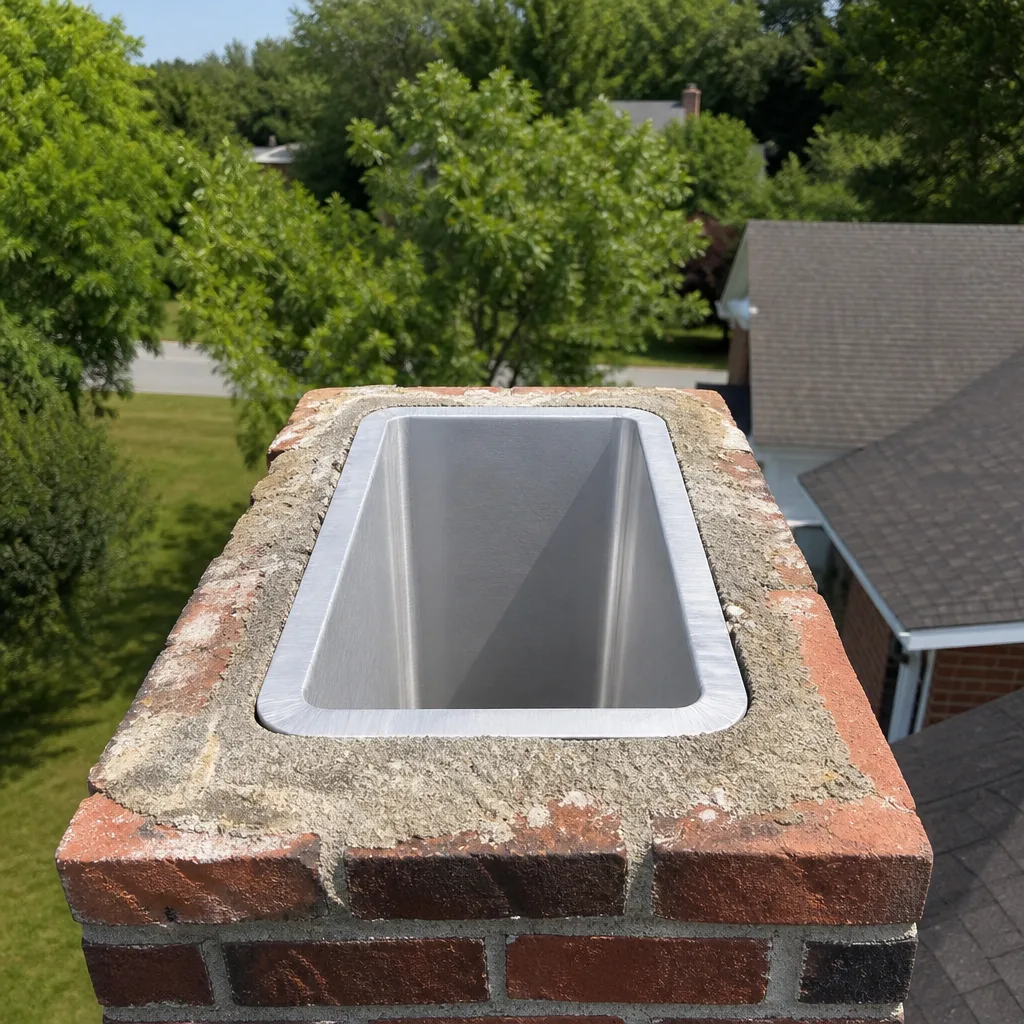 Flue relining
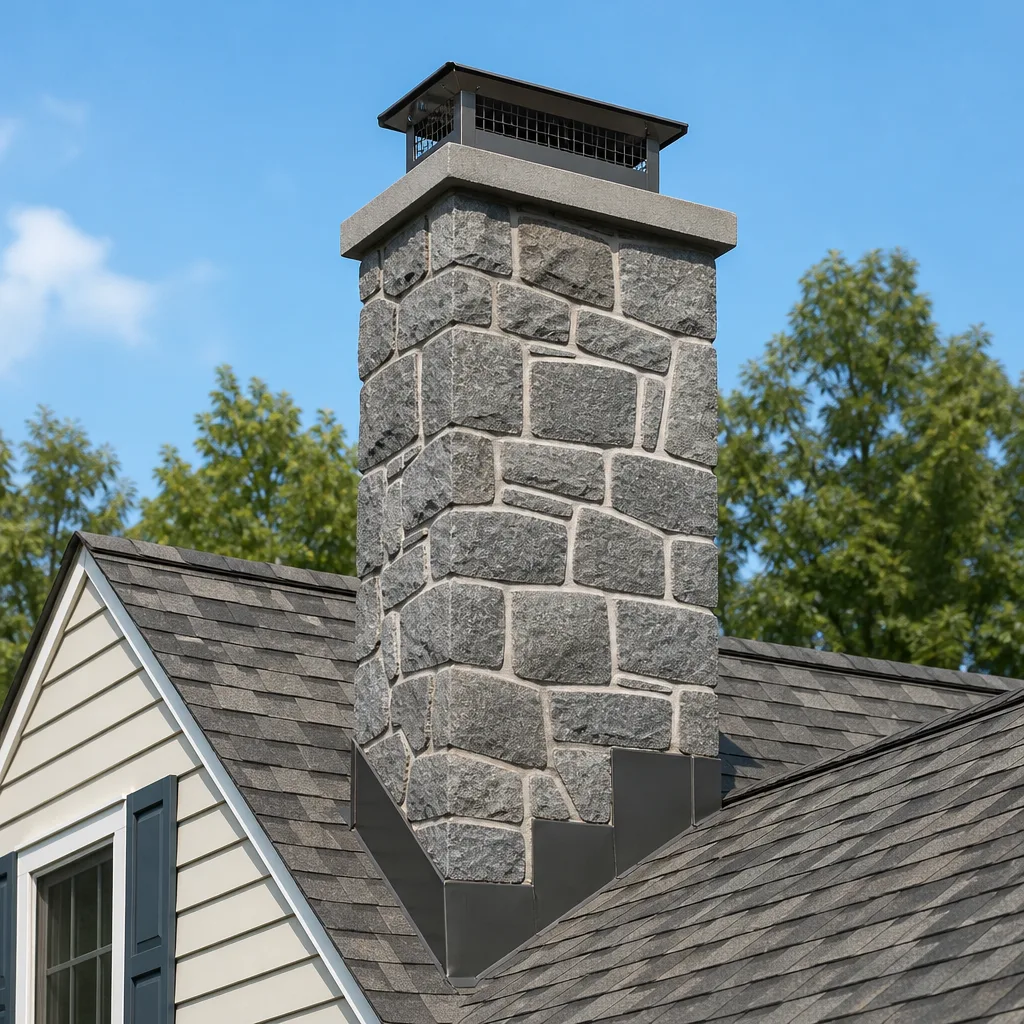 Masonry repair
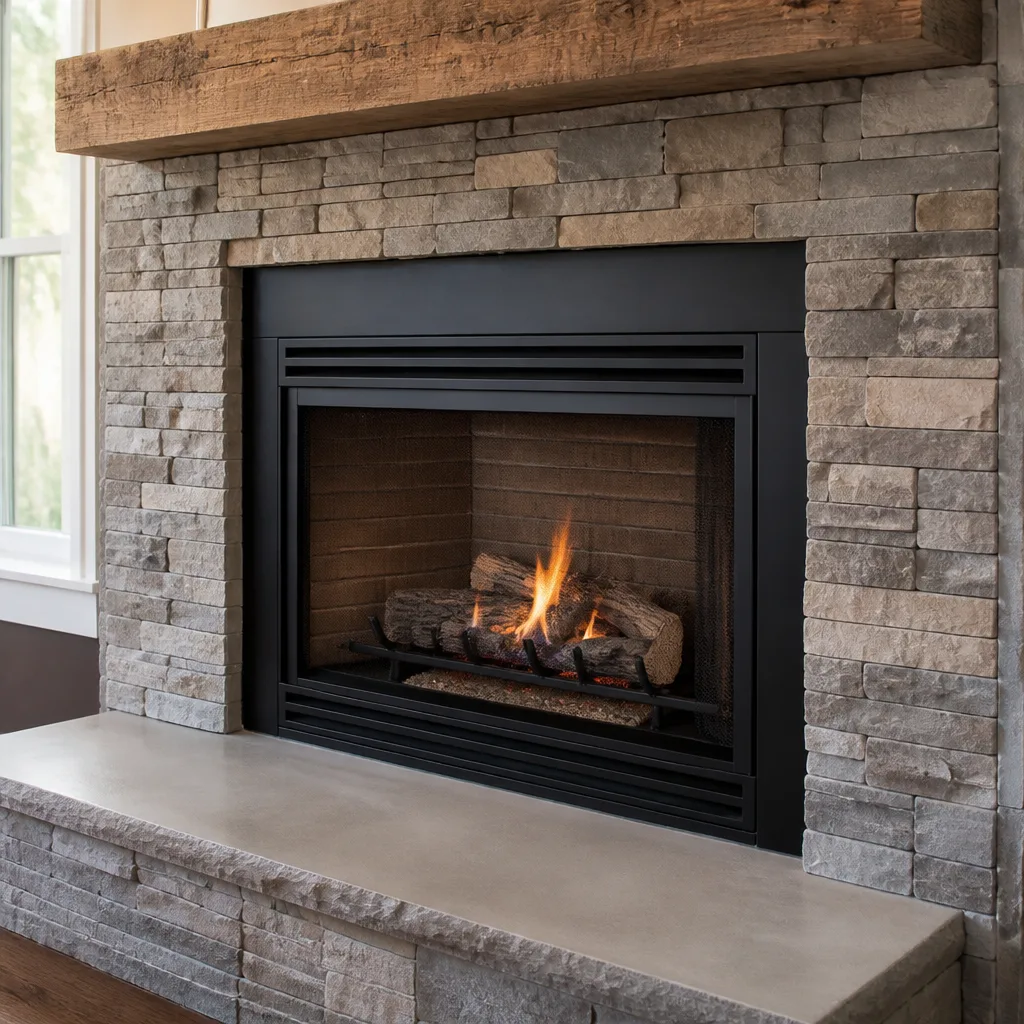 Gas fireplace service
Level 1 sweep and inspection to the NFPA 211 annual standard - flue, crown, cap, and flashing checked and photographed
Chimney sweep logs do not sweep chimneys. They loosen some creosote - which then falls where a brush and vacuum still have to collect it.
How to Hire a Chimney Cleaning Contractor in Arleta: A Step-by-Step Guide
Most Arleta homeowners assume a chimney quote is apples-to-apples. One contractor says $189, another says $210, and the natural instinct is to pick the cheaper one. What separates those two bids is rarely visible on paper: one sweep is running a brush up the flue and handing you a receipt, the other is putting a camera into your chimney and documenting what they actually found. This guide walks through the vetting questions, quote line items, and credential checks that expose the difference before you sign anything. We wrote it because we’ve spent nine years watching Arleta homeowners learn these lessons the hard way.
Styles & brands we work with
- Sweep & inspection
- Caps & crowns
- Flue relining
- Masonry repair
- Gas fireplace service
Quick Answer
To hire a chimney cleaning contractor in Arleta, verify three things before scheduling: proof of CSIA or equivalent certification, a written quote that separates cleaning from repair with brand-specific materials named (DuraFlex for liners, for example), and a commitment to camera inspection with a photo report you keep. Then confirm the contractor can handle whatever the camera finds: in Arleta, a sweep-only crew leaves you calling a second company when liner damage shows up. Call Chimney Sweep Arleta at (833) 958-9616 for a free estimate from a team that cleans and repairs under one contract.
Table of Contents
- Why Arleta Chimney Quotes Look Identical (and What That Hides)
- The Five Questions to Ask Any Chimney Contractor Before Scheduling
- What CSIA Certification Actually Verifies (and What It Doesn’t)
- How to Read a Chimney Service Quote: Line Items and Red Flags
- Why You Should Request a Camera Inspection Report, Not a Verbal All-Clear
- California Licensing for Chimney Work That Goes Beyond Cleaning
- What the Arleta Chimney Market Looks Like on the Ground
- Common Mistakes to Avoid
- When to Call a Professional
- Frequently Asked Questions
- The Bottom Line
Why Arleta Chimney Quotes Look Identical (and What That Hides)
Arleta’s housing stock skews older. Many homes were built between the 1950s and 1970s, which means masonry chimneys with clay tile liners that have been absorbing heat, creosote, and moisture for decades. When you call three contractors for a cleaning quote, all three will give you a number within a tight band, because a basic sweep in this market runs in a predictable range. The tile cracks, deteriorating mortar joints, and liner damage that actually determine the real condition of your chimney are invisible until someone looks.
A legitimate specialist runs a camera up the flue after the sweep and shows you the footage. A low-bid operator skips the camera because they either don’t own one or they know the footage would create a job they can’t do. The result is a verbal “you’re all set” and a receipt, while a slow-moving problem continues to develop behind the brick. In our experience in Arleta, roughly half the chimneys we inspect have some degree of interior deterioration that a bare-bones cleaning would never reveal. That’s the gap this guide exists to close.
What should you look for? A contractor who treats the cleaning as phase one of an inspection, not as the entire job. When the brush work is done, the camera goes in. You get photos. You get a report. If something needs fixing, the person who found it is also the person who can source the materials and do the repair. That’s the difference between a sweep and a full-scope chimney contractor.
The Five Questions to Ask Any Chimney Contractor Before Scheduling
These are the questions that separate a chimney specialist from a general handyman with a brush attachment. Ask all five before you agree to a visit. The wrong answers are disqualifying, and we’ve spelled out what those sound like below.
- “Will you run a camera through the flue and give me the photos?” The correct answer is yes, as part of the service, with photos included. If the contractor hesitates, says the camera is only used “if something looks wrong,” or tells you a visual check from the top and bottom is sufficient, that’s a red flag. A proper chimney sweep includes camera inspection because it is the only way to see the middle two-thirds of the flue. We include it on every chimney sweep job.
- “If the camera finds a cracked tile or damaged liner, can you repair it?” The answer reveals scope. A sweep-only operation will tell you they can refer you to someone. A full-scope contractor will say they install DuraFlex liner systems and apply HeatShield resurfacing in-house. In Arleta, hiring a company that stops at cleaning means paying for two service calls if the inspection finds structural issues. You want one company that can clean it, diagnose it, and fix it.
- “What materials do you use for liner and masonry repairs?” This is where legitimate contractors separate themselves. They will name products: Gelco for chimney components, Olympia Chimney for caps and chase covers, Famco for venting products, Copperfield for specialized supplies. A vague answer like “we use whatever the supply house has” tells you the contractor is sourcing cheap substitutes and has no material standard. Ask for brands by name.
- “Is the price on the quote the price I pay, or will you find things to add on?” Honest contractors will tell you that cleaning is a fixed price and any repair is quoted separately, in writing, after you see the camera evidence. Dishonest ones will lowball the sweep and then manufacture urgency on a repair you can’t verify. The answer you want: “Sweep is a set price. If we find something, we show you the photos and quote the fix separately.”
- “Are you licensed for repair work, or only cleaning?” In California, once you move past basic sweeping into liner installation or structural masonry repair, licensing requirements change. We cover this in depth below, but the short version: if your chimney needs more than a cleaning, the person doing it should hold the proper California contractor’s license for the scope. Ask the question and watch the answer.
If a contractor stumbles on two or more of these, you have your answer. Thank them for their time and keep looking. If they answer all five cleanly and without hesitation, you’re likely talking to someone who does this work professionally, not as a side hustle.
What CSIA Certification Actually Verifies (and What It Doesn’t)
The Chimney Safety Institute of America (CSIA) is the main credentialing body in this trade. A CSIA-certified sweep has passed an exam covering chimney construction, inspection procedures, fire safety codes, and proper cleaning techniques. They have also committed to continuing education. That’s real, and it matters. What the certification does not guarantee is that the contractor can repair what they find.
CSIA trains sweeps to identify damage. It does not turn a sweep into a liner installer. A contractor can hold a CSIA certification and still have no capacity to install a stainless steel liner, resurface a flue, or rebuild a chimney crown. When you’re hiring in Arleta, you want certification and capability. The former tells you the person knows what a healthy chimney looks like. The latter tells you they can restore yours when it isn’t.
Material sourcing is the second credibility signal that CSIA doesn’t cover. A contractor who says “we install DuraFlex liner systems” is making a verifiable claim, because DuraFlex is a widely distributed professional brand used across the industry. You can research it. You can confirm it exists, that it’s UL-listed, and that it’s designed specifically for chimney applications. A contractor who says “we use a stainless liner” with no brand attached is leaving you no way to verify what goes into your home. The same logic applies to HeatShield, which is a recognized resurfacing system for flues with minor deterioration rather than full collapse. When a contractor names the product, they’re inviting you to hold them accountable. When they don’t, they’re asking you to take it on faith.
How to Read a Chimney Service Quote: Line Items and Red Flags
A legitimate chimney service quote is specific. It itemizes the work, names the materials, and separates cleaning from repair. A vague quote is the most common bait-and-switch tool in this industry, and Arleta homeowners see it constantly. Here’s what a real quote should include, and what the filler phrases sound like.
What should always be present:
- Cleaning scope, stated plainly: “Level 1 inspection and standard sweeping” or “Level 2 inspection with video scan” (a level we recommend for any home that hasn’t been inspected in over a year).
- Specific repair line items: if a repair was identified, the quote names it: “flue tile repair via HeatShield resurfacing” or “stainless steel liner installation using DuraFlex.” Not “fix chimney damage.”
- Material brands: the quote should say what’s being installed. Gelco and Olympia Chimney components for caps and chase covers, Famco for venting connections, Copperfield for niched supplies. These are professional supply house brands, and they should appear by name.
- Photo or video report included: the service description should state that you receive inspection photos or video evidence. If the quote doesn’t mention it, ask.
- Clear payment scope: the quote is for the stated work, and any additional finding is handled as a separate written estimate. This protects you from open-ended cost creep.
Red-flag language that signals a bait-and-switch:
- “Chimney maintenance” as a catch-all line item with no further detail.
- “As needed” or “we’ll see what we find” attached to repair costs.
- Any quote that refuses to itemize because “it’s a package deal.”
- Pressure language like “you have to sign today to get this price” or “the liner has to be done this week or it’s dangerous.”
- “We use quality materials” with no brand attached. Quality is not a material. DuraFlex is a material. Olympia Chimney is a material. If the quote won’t name the product, ask why.
In Arleta’s market, the most common scenario we see is a very low sweep quote, oral assurance that everything looks fine, and no written record beyond a receipt. If you’re not handed a report with photos, you haven’t had an inspection. You’ve had a brushing.
Why You Should Request a Camera Inspection Report, Not a Verbal All-Clear
The single most important documentary evidence of your chimney’s condition is the camera report. The reason is simple: you cannot see the interior of your chimney, and the person telling you it’s fine has a financial incentive in the conversation. A verbal “you’re all clear” leaves you with nothing to verify, nothing to compare next year, and no evidence if something goes wrong.
A legitimate camera report includes the following:
- Time-stamped photos or video stills from inside the flue, captured after the sweep.
- Written notes on what’s visible: creosote stage before cleaning, any remaining deposits after, flue tile condition, mortar joint condition, water staining, rust, or cracks.
- A clear recommendation: “No action needed” or “Liner repair recommended, quote attached” or “Flue cap replacement recommended.” The recommendation is specific and backed by the image.
- A copy that stays with you: email or printed, kept in your files. Next year’s sweep compares against it.
Contractors who skip the camera are not doing you a favor by keeping the price down. They’re withholding the only evidence you’ll ever have of what’s actually inside. We run a camera on every chimney sweep we perform in Arleta, and the report is part of the service, not an add-on. If anyone tells you they can do a thorough inspection without one, ask how they plan to see the middle section of the flue. The honest answer is they can’t.
Arleta’s older homes make this especially important. Clay tile liners from mid-century construction crack over time, and the cracks are invisible from the top or bottom. The camera is the only tool that sees them. Without it, you’re taking someone’s word on a fire containment system you can’t see.
California Licensing for Chimney Work That Goes Beyond Cleaning
California draws a line between cleaning and construction. Basic chimney sweeping and inspection does not require a specialty contractor’s license in the same way plumbing or electrical work does, but once the work moves into repair territory, liner installation, masonry rebuilds, or structural modification, the contractor should hold a California Contractors State License Board (CSLB) license appropriate to the scope. Chimney repair typically falls under the C-61/D-39 classification or a general building license that covers masonry and liner installation.
This matters in Arleta because the older housing stock frequently pushes a routine cleaning into repair territory. A cracked tile needs resurfacing. A deteriorating flue needs a liner. A rusted chase cover needs replacement. If the person who finds these problems isn’t licensed to fix them, you’re now managing two contractors and paying for two mobilizations. The practical advice: ask for the contractor’s license number before the visit, and verify it on the CSLB website if the job involves anything beyond a brush and a vacuum. A legitimate contractor will volunteer the number without hesitation. A handyman posing as a chimney specialist will get vague.
We hold ourselves to this standard. Our repair work uses professional-grade materials like DuraFlex liners and HeatShield resurfacing, installed under proper contract and permit requirements where applicable.
What the Arleta Chimney Market Looks Like on the Ground
Arleta sits in the northeast San Fernando Valley, and its chimney market has a particular shape. The homes are largely single-family, built across the post-war decades, with masonry fireplaces and chimneys that have seen decades of use and Valley summers. The summers are dry and hot; the winters are mild by national standards, which means freeze-thaw damage is essentially a non-issue here. What Arleta chimneys do face is interior deterioration, creosote buildup from regular wood burning, and wear on caps and crowns from prolonged sun exposure.
The service market splits into two camps. The first is the established specialist who carries professional-grade inventory and can name the brands on the truck: Gelco, Olympia Chimney, Famco, Copperfield, DuraFlex, HeatShield. The second is the low-bid operator using residential cleaning equipment on every job, regardless of condition. The problem is that their quotes land on your kitchen table looking nearly identical. A sweep is a sweep on paper. What separates them is everything the low-bid operator doesn’t do: no camera, no brand-name materials, no repair capacity, no written evidence.
There’s a third player in the Arleta chimney market worth mentioning: the handyman who includes chimney sweeping in a list of “home maintenance services” alongside gutter cleaning and fence staining. These operators are not chimney specialists. They don’t carry CSIA certification, they don’t run cameras, and they have no connection to professional supply houses. If you’ve been getting a $99 sweep offer on a flyer stuck to your mailbox, that’s likely what you’re dealing with.
The consequence of choosing wrong isn’t just a dirty chimney. It’s a fireplace you think is safe because someone swept it, while a liner crack continues to widen behind the brick. In Arleta, where many homeowners burn wood through the fall and winter, that’s a dangerous place to be wrong.
Common Mistakes to Avoid
- Hiring on price alone. A $99 sweep sounds great until you realize it didn’t include a camera inspection, so you still don’t know if your chimney is safe. The real cost of a sweep is small; the cost of missing a liner crack is not.
- Accepting a verbal all-clear. If a contractor won’t hand you a written or emailed report with photos, you have no evidence of what they found. Next year, you’re starting from zero.
- Assuming a sweep can also repair damage. Many Arleta homeowners assume that anyone who cleans a chimney can also fix it. That’s not true. Ask specifically about liner installation and resurfacing capacity before you book.
- Not asking for material brands. “Stainless steel liner” tells you nothing. “DuraFlex liner system” is a product you can research. If the quote won’t name the material, walk away.
- Skipping the license check for repair work. A cleaning is one thing. A liner installation is construction. Verify the contractor’s CSLB license before any repair begins, and don’t accept “I work under someone else’s license” as an answer.
- Ignoring the dryer vent. Many Arleta homes have the chimney and the dryer exhaust running through the same wall system. A chimney-only company will clean the fireplace and miss the dryer vent cleaning entirely. That vent is a leading residential fire risk on its own.
- Waiting until the fall rush. Arleta homeowners tend to call in October or November, right before the burning season. The calendar fills up. If you can book in spring or summer, you’ll have better availability and more time to address any findings before the fireplace goes back into use.
When to Call a Professional
You should call a professional if you haven’t had your chimney inspected in over a year, if you’ve noticed a burning smell that isn’t wood, if creosote flakes are falling into the firebox, if you see white staining or rust on the chimney exterior, or if you’ve bought a home in Arleta and can’t verify when the chimney was last cleaned. The same goes for your dryer vent: if clothes are taking longer than 40 minutes to dry, or if the exterior vent flap isn’t opening when the dryer runs, that’s a restricted vent and it needs attention.
If you’re in Arleta and want a free estimate that includes a camera inspection, call (833) 958-9616. We answer 24/7. Fast dispatch from 7am to 7pm, Sunday through Friday.
Frequently Asked Questions
A standard chimney sweep in Arleta typically falls in the $150 to $300 range for a level 1 cleaning and inspection, with level 2 video inspections running higher. Your exact price depends on chimney height, accessibility, and severity of buildup, and it’s set by a written estimate after we see the chimney. Call (833) 958-9616 for a free quote on your specific setup.
Industry guidance is to sweep after every cord of wood burned, or at least annually for any fireplace in regular use. In Arleta’s mild-winter climate, many homeowners burn sporadically, which can actually create a different problem: low-temperature fires that build creosote faster. A once-a-year sweep, scheduled before the fall, is the practical minimum.
Yes, and here’s why: without a camera, the middle section of your flue is invisible. A brush removes deposits, but it doesn’t reveal cracked tiles, deteriorated mortar, or liner damage. In Arleta’s older homes, these are common findings. A sweep without a camera is a partial service, and we include the camera on every chimney sweep we do.
You get to see the photos. If the issue is minor surface deterioration, it may recommend resurfacing with HeatShield. If it’s more extensive, it may recommend a full liner installation using DuraFlex. You receive a separate written quote for the repair, so the cleaning price isn’t holding the repair cost hostage. You decide what happens next, with the evidence in hand.
No. A handyman with a brush can remove loose soot, but he cannot tell you whether your flue liner is intact, cannot issue a documented inspection report, and cannot repair what’s wrong. What he charges looks like a bargain until you realize you’ve paid for a brushing but not an inspection. The gap between the two is exactly what this guide is about.
Because the brand is the only part of the repair you can verify. DuraFlex is a known, UL-listed liner system. HeatShield is a recognized flue resurfacing product. Gelco, Olympia Chimney, Famco, and Copperfield are professional supply house brands that a legitimate contractor can name and source. “Stainless liner” with no brand attached is a promise. Named materials are a fact. Call (833) 958-9616 and ask us about what we install. You’ll get product names, not vague reassurances.
The Bottom Line
Hiring a chimney contractor in Arleta comes down to three checks: credentials, camera, and materials. The credential proves training. The camera proves condition. The materials prove accountability. A contractor who holds CSIA certification, runs a camera on every job, and names the products they install is someone you can verify. A contractor who skips any of those three is leaving you to trust them, and trust without evidence is not how you maintain a fire containment system.
If you’re reading this before your next chimney service, ask the five questions, read the quote for brand names and camera language, and don’t settle for a verbal all-clear. The difference between a $99 brushing and a $250 professional sweep is the difference between a receipt and a report. You want the report.
Written by the team at Chimney Sweep Arleta, serving Arleta since 2017.
See the difference
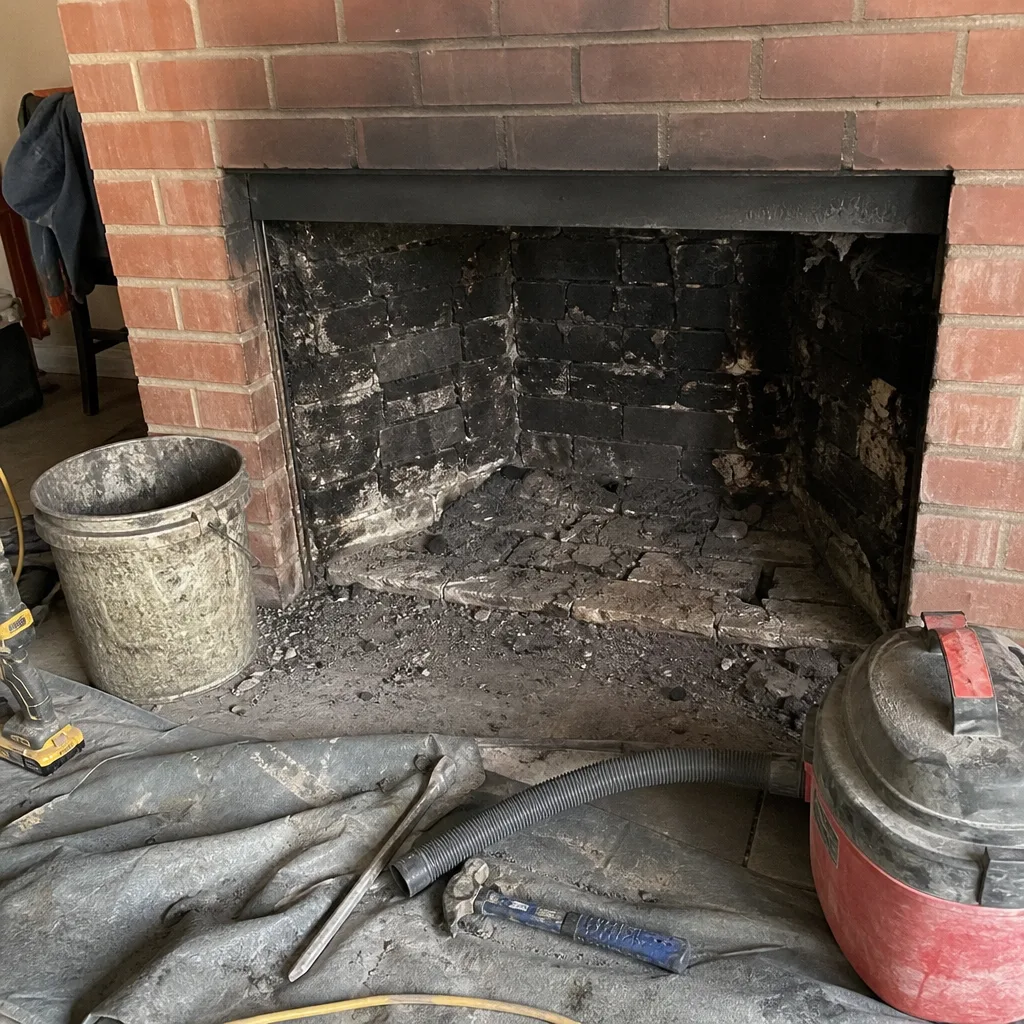 Before
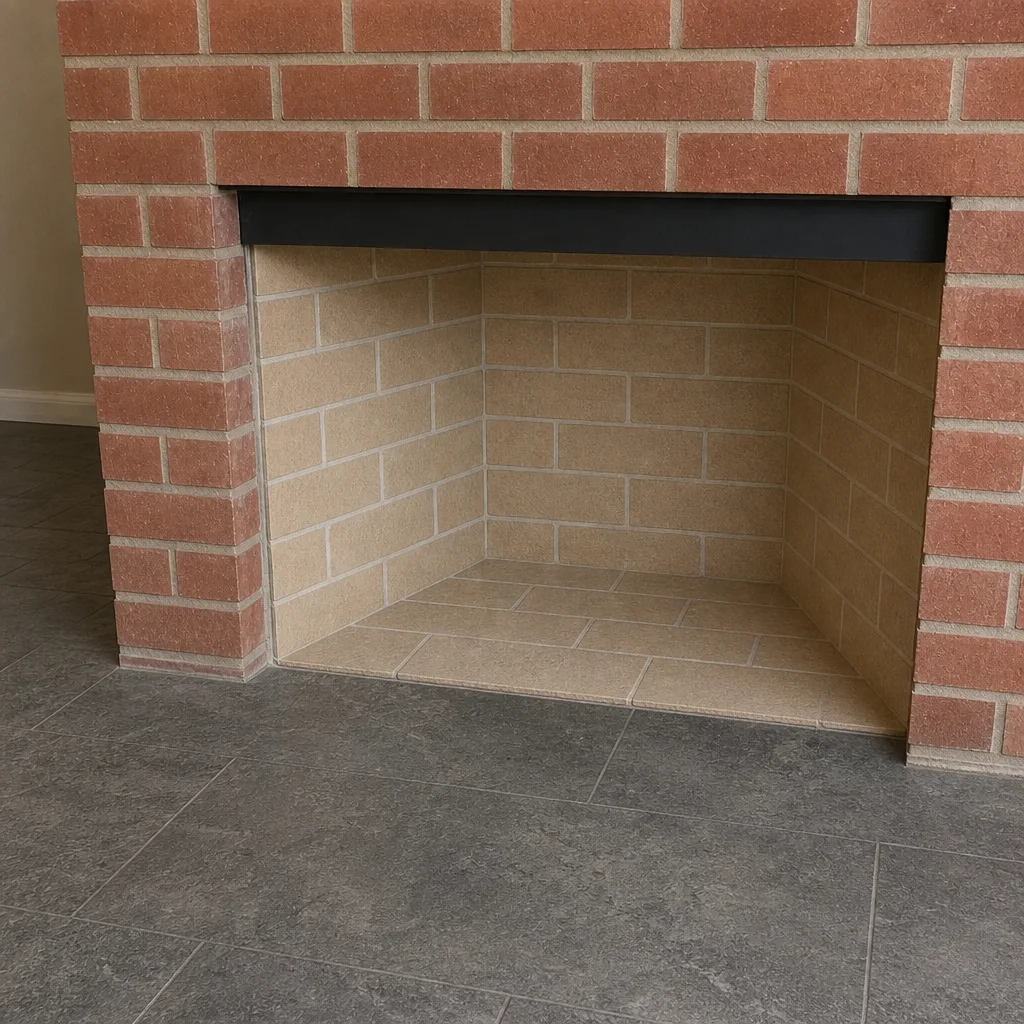 After
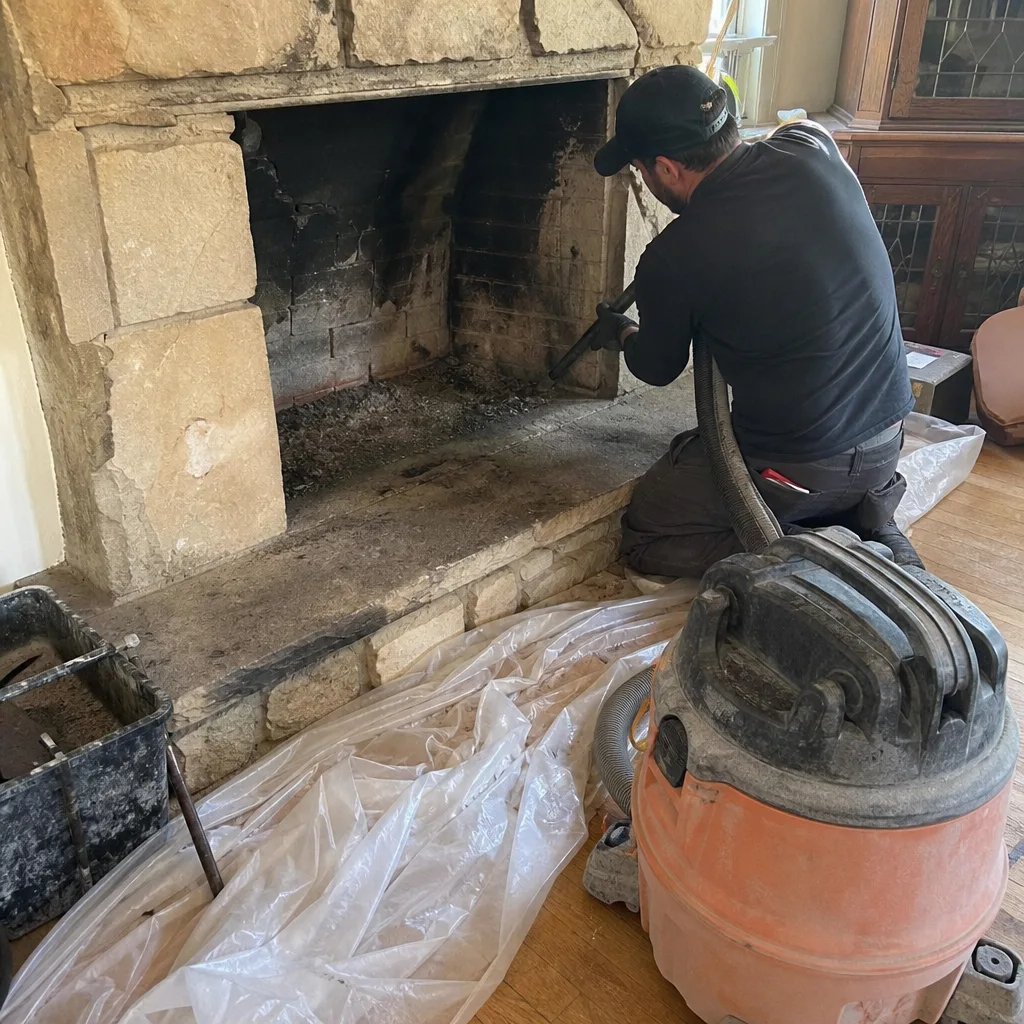 Before
 After
 Before
 After