
Last updated November 4, 2026
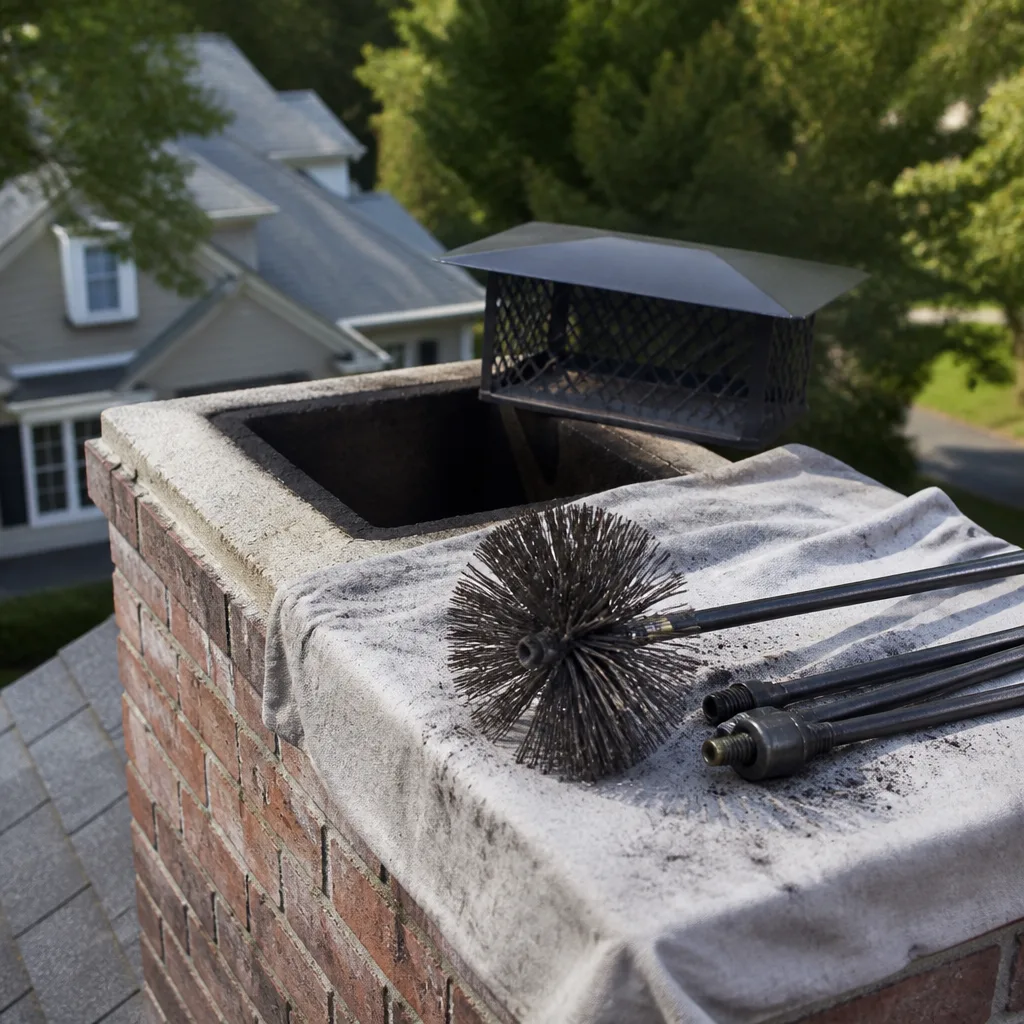 Sweep & inspection
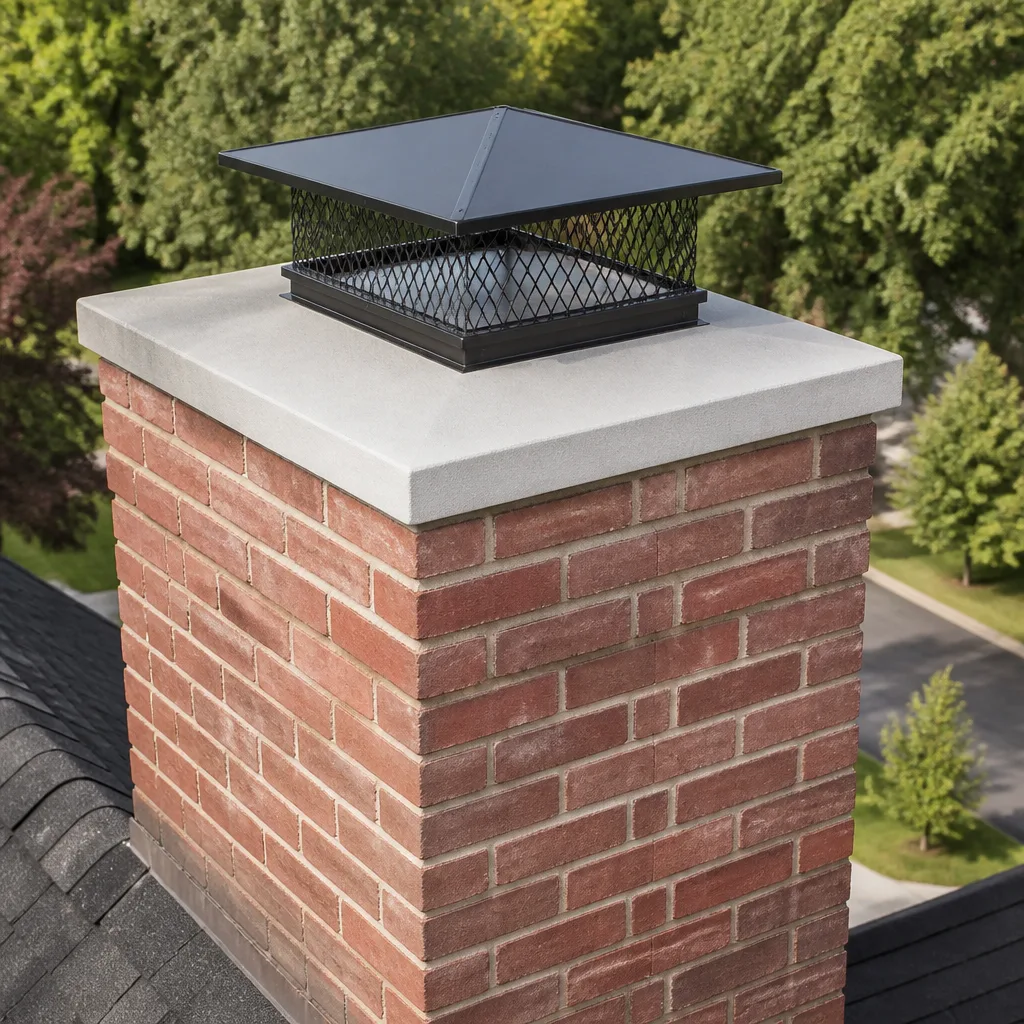 Caps & crowns
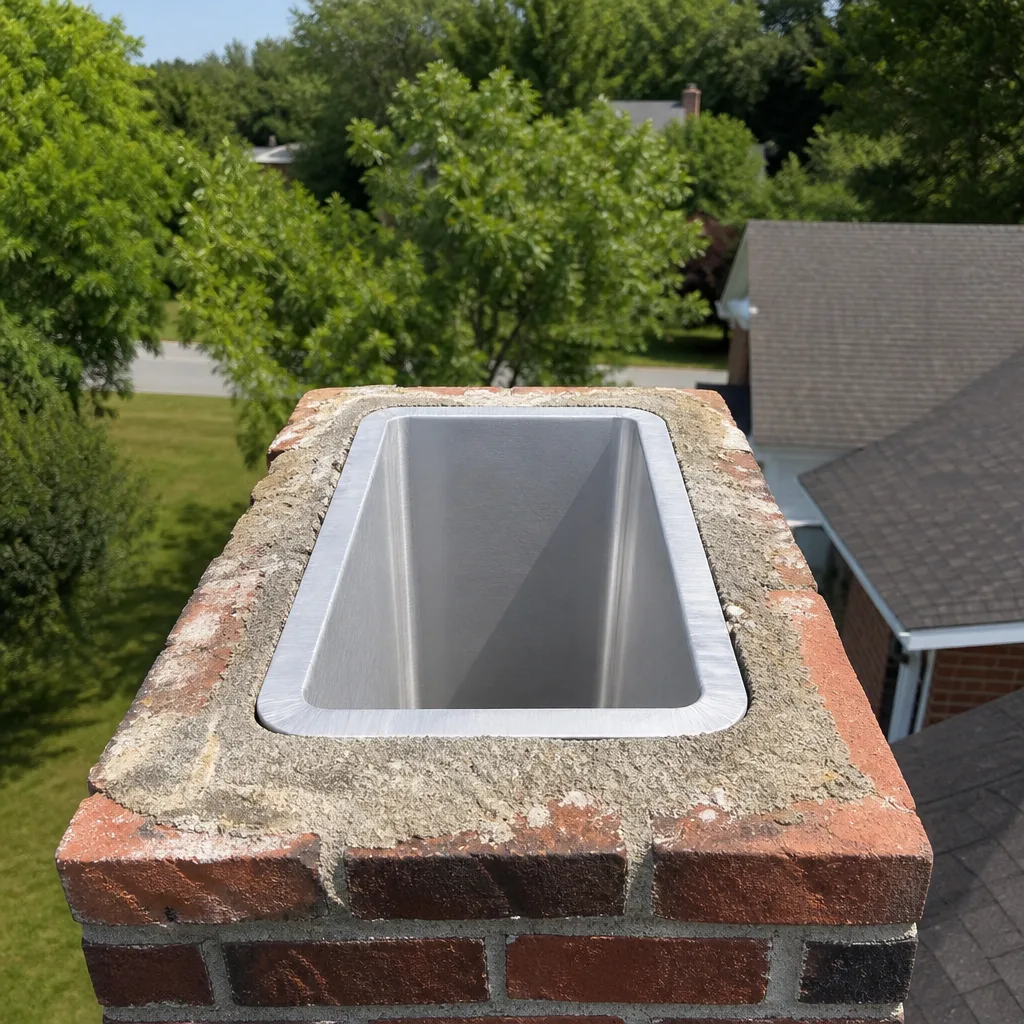 Flue relining
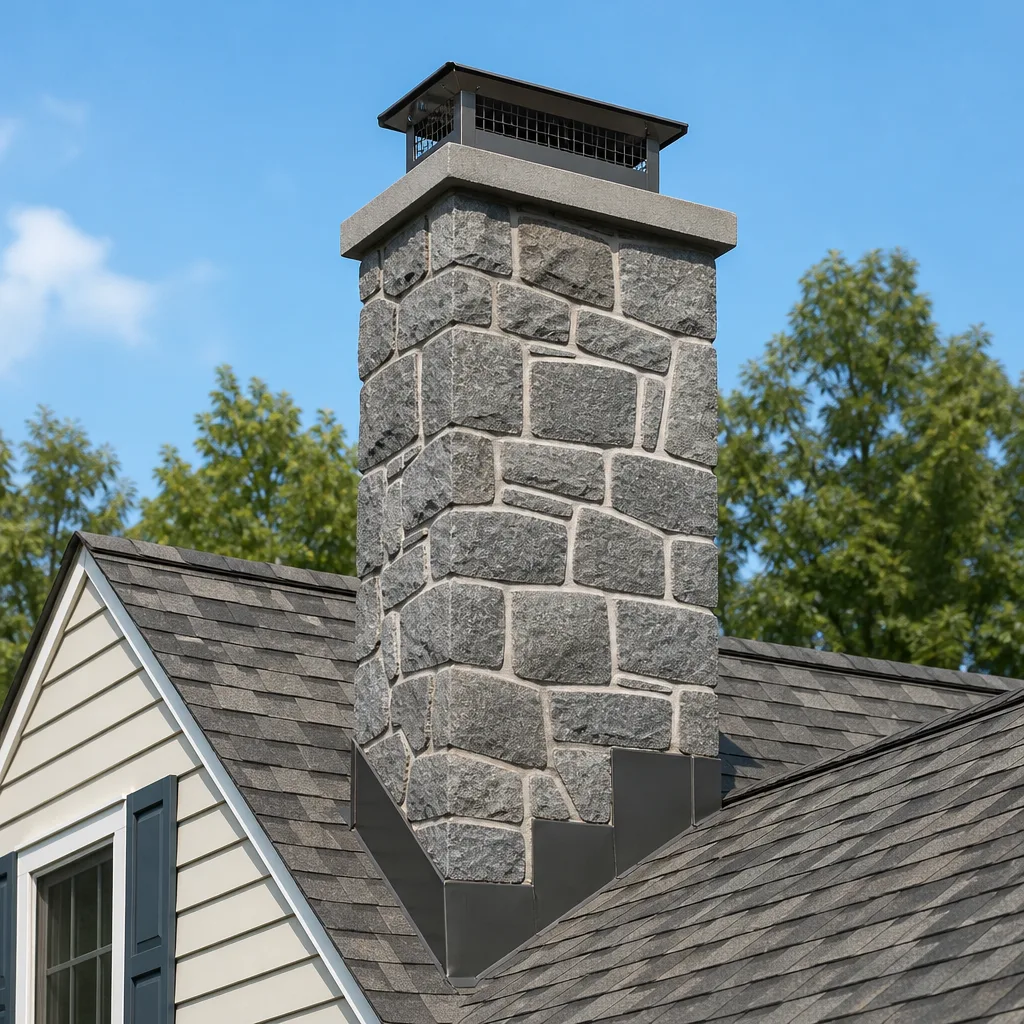 Masonry repair
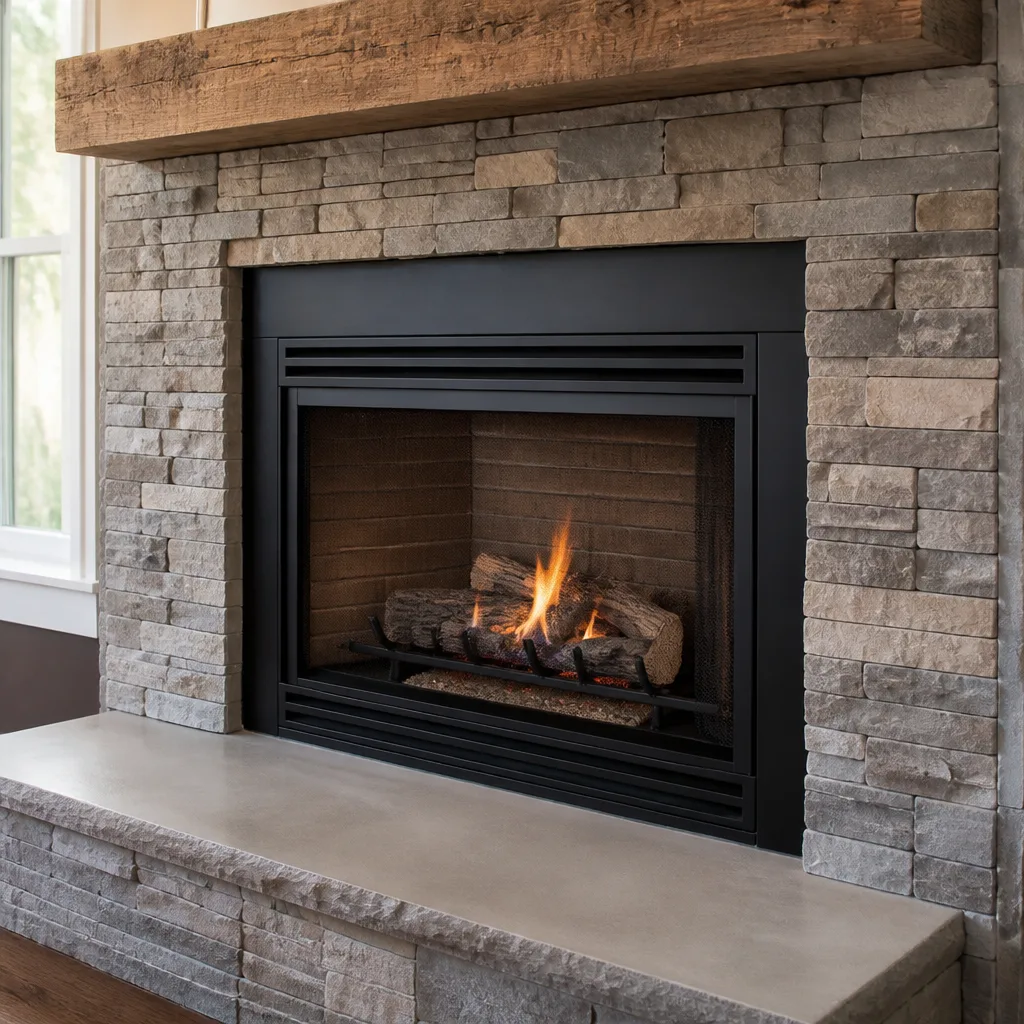 Gas fireplace service
Level 1 sweep and inspection to the NFPA 211 annual standard - flue, crown, cap, and flashing checked and photographed
Chimney sweep logs do not sweep chimneys. They loosen some creosote - which then falls where a brush and vacuum still have to collect it.
The Complete Guide to Chimney Cleaning in Arleta
Most Arleta homeowners who had a chimney fire never saw it coming, because the sweep they hired cleaned the flue but never looked at the liner. A brush through the pipe is not an inspection, and in this part of the San Fernando Valley, that distinction matters more than in most places. Dry heat bakes creosote into a glazed, rock-hard layer that a standard wire brush skates right over. Combined with the seismic settling every Arleta block experiences, a chimney that looks clean from the firebox can still be a carbon monoxide path or a five-figure fire waiting for the next burn. This guide breaks down what a complete chimney cleaning in Arleta actually involves, why local conditions demand more scrutiny than the national norm, and how to verify you’re getting a real cleaning rather than a dusting.
Styles & brands we work with
- Sweep & inspection
- Caps & crowns
- Flue relining
- Masonry repair
- Gas fireplace service
Quick Answer
Chimney cleaning in Arleta means removing creosote and soot from the flue, inspecting the liner and masonry for cracks and blockages, and verifying the entire venting path is safe before you light the next fire. In the Valley’s dry climate, creosote hardens into Stage 3 glaze quickly, which is why standard brushing alone often isn’t enough. A proper cleaning by Chimney Sweep Arleta includes a camera inspection of the flue interior, so you can see the condition of the liner with your own eyes before deciding whether repairs are needed.
Table of Contents
- Why Arleta Chimneys Need More Than a Basic Sweep
- What a Full Chimney Cleaning Actually Covers
- Level 1, Level 2, and Level 3: Which One Your Arleta Home Needs
- How the Valley’s Dry Heat Changes Creosote
- Seismic Cracks, Silent Leaks, and Carbon Monoxide
- When Cleaning Uncovers Damage: Liner Repair in Arleta
- What “Cleaning Complete” Documentation Should Look Like
- Don’t Forget the Dryer Vent: A Second Fire Hazard
- Common Mistakes to Avoid
- When to Call a Professional
- Frequently Asked Questions
- The Bottom Line
Why Arleta Chimneys Need More Than a Basic Sweep
Arleta sits in the northeastern corner of the San Fernando Valley, where summer temperatures routinely climb past 90 degrees and humidity stays low for months at a time. That climate shapes chimneys in ways most national inspection guides never address. Wood-burning fireplaces see their heaviest use on winter evenings, but the residue from those fires sits inside the flue through long, hot dry seasons. Moisture never has a chance to soften creosote deposits the way it does in humid regions. Instead, creosote desiccates, compresses, and forms the glazed, tar-like Stage 3 buildup that adheres to flue walls and resists mechanical brushing.
Then there’s the ground itself. The San Fernando Valley has a documented earthquake history, and even minor seismic events settle homes and shift masonry chimneys by fractions of an inch. Those fractions matter. Clay flue tiles crack at mortar joints, and a hairline gap you can’t see from the roof becomes a passage for heat, gas, and embers into wall cavities. A basic sweep removes surface soot and leaves those cracks untouched because a brush never reaches the outside of the flue lining. That’s why a proper cleaning in Arleta always pairs brushing with a level of inspection that verifies the liner is intact, not just the surface below it.
Brush-fire risk adds another layer. Arleta is surrounded by hillside terrain that dries out every summer, and ember-driven fires are a real concern for homes with exposed chimney tops. A spark arrestor that’s clogged or missing turns your chimney into an ember intake, not an exhaust, during high-wind fire season. Any thorough cleaning in this area should include checking and clearing the spark arrestor cap, something sweeps in wetter climates can treat as an afterthought.
What a Full Chimney Cleaning Actually Covers
A real chimney sweep in Arleta does far more than run a wire brush up the flue. Here’s the sequence a proper cleaning follows, step by step, and why each stage exists.
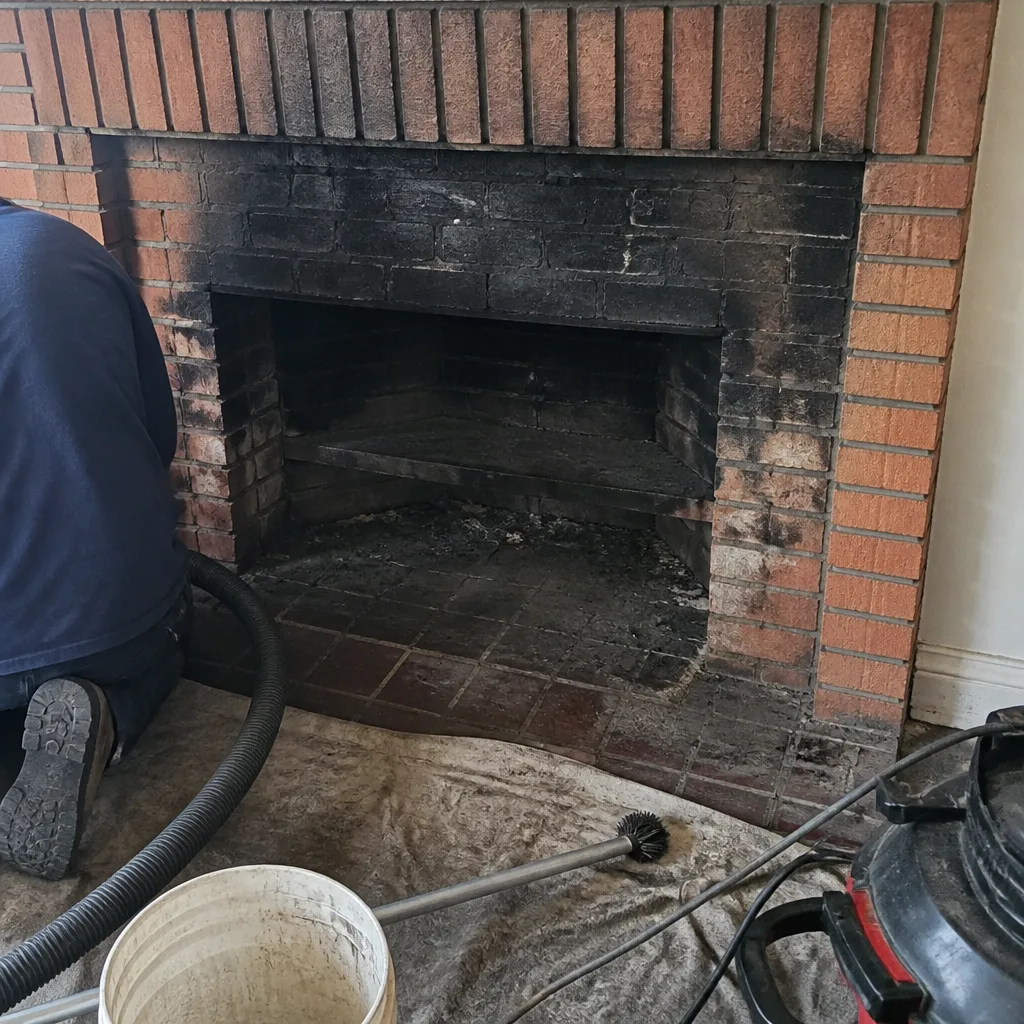
- Drop cloths and containment setup. The work area around the fireplace gets sealed off so soot and creosote dust don’t spread through the living room. A vacuum with a HEPA filter runs during the entire process to capture airborne particles. If a sweep walks in without drop cloths and a high-volume vacuum, they’re not doing a professional job.
- Visual firebox and damper inspection. Before any brushing happens, the technician checks the firebox brickwork, the damper assembly, and the smoke shelf for visible damage or obstruction. This is also when they look for nesting material from birds or rodents, a common find in Arleta chimneys that sit unused through the spring.
- Mechanical brushing from the top and bottom. The flue gets brushed in both directions using a brush sized to the actual flue dimensions, not a one-size-fits-most sweep. Brushing from the top removes the bulk of soot and Stage 1 or Stage 2 creosote. Brushing from the firebox catches what the top pass missed.
- Camera inspection of the flue interior. After the brushing, a camera runs the full length of the flue. This is the part that separates a cleaning from an inspection. The camera shows the condition of the liner, the mortar joints, and any cracks or separations the brush couldn’t reach. You should see these images yourself.
- Spark arrestor and chimney cap check. The top of the chimney gets cleared of any debris, and the spark arrestor is inspected for clogging or damage. In a fire-risk area like Arleta, this step is non-negotiable, not optional.
- Cleanup and written report. The work area is returned to the condition it was found in, with all soot and debris removed. You receive a written summary of what was found, what was cleaned, and whether any follow-up is recommended.
In our experience, the camera report is where Arleta homeowners learn the most. A flue that brushes clean at 90 percent often has a hairline crack at the 10 percent mark, and that crack is what the camera finds. It’s the difference between a chimney that’s clean and a chimney that’s safe.
Level 1, Level 2, and Level 3: Which One Your Arleta Home Needs
The National Fire Protection Association defines three levels of chimney inspection, and knowing the difference helps you understand what a cleaning should include. Most Arleta homes need a Level 2, not just a Level 1, and here’s why.
Level 1 is the basic check done as part of an annual cleaning when nothing has changed. The technician examines the readily accessible parts of the chimney: the firebox, damper, smoke chamber, and flue interior as far as the eye or a basic tool can see. If you use your fireplace the same way every year and haven’t felt an earthquake strong enough to notice, Level 1 is usually adequate for routine maintenance.
Level 2 adds a camera inspection of the full flue interior and an examination of the chimney exterior, including the attic space where the chimney passes through. You need a Level 2 when: you’ve bought or sold the home, the home has experienced earthquake movement, you’ve had a chimney fire, you’re changing fuel types (wood to gas, for example), or you’ve changed the appliance or liner. That last point is important. The chimneys of most Arleta homes date back decades, and even if you’ve owned the house for years, the flue has likely been through at least one significant seismic event since it was built. We recommend a Level 2 camera inspection as part of any first-time cleaning in this area, and at regular intervals afterward.
Level 3 is invasive and rare. It’s required when a Level 2 finds a problem that can’t be diagnosed without opening a wall or removing part of the chimney structure. Level 3 checks involve demolition to expose hidden areas, so they only happen when there’s reason to suspect serious damage that poses an immediate hazard.
For most Arleta residents, the answer is a Level 2 at the first cleaning, then annual Level 1 checks as long as the camera shows a stable flue. If the home has never had a professional camera inspection, there’s no way to know whether the chimney has hidden damage until someone looks.
How the Valley’s Dry Heat Changes Creosote
Creosote forms in three stages, and the climate in the San Fernando Valley accelerates progression through all of them. Understanding the stages helps you see why some chimneys need more aggressive cleaning than others.
Stage 1 creosote is a light, dusty soot that brushes off easily. It forms from incomplete combustion and is what most people picture when they think of chimney residue. In humid climates, creosote can sit at Stage 1 for a full season because the deposits stay soft and powdery.
Stage 2 creosote looks like flaky black granules, similar to coffee grounds. It’s harder to remove and requires more aggressive brushing. In Arleta’s dry summers, Stage 1 deposits bake in the flue heat and transition to Stage 2 faster than they would in a coastal town. A chimney that burned the same number of fires in San Francisco and Arleta might show Stage 1 residue in one home and Stage 2 in the other simply because of ambient dryness.
Stage 3 creosote is the dangerous one. It’s a glazed, tar-like coating that forms when creosote is repeatedly baked and re-heated without being cleaned. Stage 3 is concentrated fuel. It burns at extremely high temperatures once ignited, and it can’t be removed with a wire brush alone because the brush skates across the hardened surface. Removing Stage 3 typically requires chemical treatments that break down the glaze or aggressive rotary tools designed for the job. Left alone, it’s the condition most likely to cause a chimney fire.
Arleta’s climate means a chimney used every winter can reach Stage 2 or even Stage 3 faster than the national average timelines would suggest. If your chimney hasn’t been cleaned in more than a year, or if you burn unseasoned wood, assume the creosote is worse than it looks. The only way to know is a camera view of the flue after brushing.
Seismic Cracks, Silent Leaks, and Carbon Monoxide
Cracks in a chimney flue do two dangerous things. First, they allow heat and embers to reach the wood framing around the chimney chase, which is how chimney fires spread into house fires. Second, they allow carbon monoxide and other combustion gases to seep into living spaces instead of venting outside. Carbon monoxide is colorless, odorless, and heavier than air, so it collects in low spaces and poisons occupants slowly, often while they sleep.
Earthquake movement is the leading cause of flue cracks in Arleta homes that have otherwise well-built chimneys. The 1971 San Fernando earthquake and the 1994 Northridge earthquake both caused documented chimney damage across the Valley, but smaller, more frequent seismic events continue to settle homes and shift masonry. A flue tile that shifted a quarter inch during a magnitude 4 event close to home can open a gap that wasn’t there the year before. The homeowner notices nothing. The fireplace still drafts. The smoke still rises.
That’s the insidious part. A cracked flue rarely announces itself. The first signs might be a faint musty smell in the room, a carbon monoxide detector going off intermittently, or visible efflorescence (white mineral staining) on the exterior brick. By the time you see the exterior stain, the interior damage is usually well established.
The only reliable way to detect flue cracks is a camera inspection. The camera follows the flue path and shows every joint, every shift, and every gap. If we find a hairline crack that hasn’t separated, we’ll document it and recommend monitoring. If the crack is open or the tiles have shifted, the flue needs repair before the next fire, not just a note on a report. For Arleta homeowners, seismic flue damage is not a hypothetical. It’s a condition of living in this part of the Valley, and the inspection protocol should account for it.
When Cleaning Uncovers Damage: Liner Repair in Arleta
Sometimes a thorough cleaning reveals that the chimney is clean but unsafe. That’s a difficult conversation, and it’s one we have with Arleta homeowners regularly. The good news is that most liner damage is repairable without rebuilding the chimney.
When a flue has cracked tiles or deteriorated mortar joints, the standard solution in modern chimney work is a stainless-steel liner system. We install DuraFlex liners, which are UL-listed flexible stainless-steel tubes sized to the existing flue. The liner slides down the chimney, creates a continuous sealed path for smoke and gas, and isolates the damaged masonry from the combustion products. The fireplace can be used again safely, often within the same day or the day after installation.
For flues with surface deterioration that hasn’t fully cracked, HeatShield resurfacing is another option. HeatShield is a ceramic-based mortar that gets applied to the flue interior to seal minor gaps, rebuild lost surface material, and restore a smooth, fire-resistant lining. It’s a recognized solution in the chimney industry for repairing flue damage without a full liner replacement, and it can buy years of safe service from a flue that a Level 2 inspection flagged as deteriorating.
What matters to the homeowner is that the repair uses materials with traceable names, not generic substitutes. When we tell you we’re installing a DuraFlex liner or applying HeatShield resurfacing, you can look up exactly what those products are, what they’re rated for, and why they’re the same materials the professional chimney supply houses stock nationwide. We clean it, and if it needs repair, we fix it, using components from brands like Gelco and Olympia Chimney for the cap and top-end hardware. That accountability is part of what you’re paying for.
What “Cleaning Complete” Documentation Should Look Like
A proper chimney cleaning ends with a written record you can keep. If the technician packs up and leaves without handing you anything, you haven’t received the documentation that a professional cleaning should produce, and you’ll have nothing to show your insurance company if there’s ever a question.
A complete cleaning report should include: the date of service, the technician’s name, the type of inspection performed (Level 1, Level 2, or Level 3), the condition of the flue before and after cleaning, any damage found during the camera inspection, and a list of recommended repairs or follow-up actions. If camera images were taken, ask for copies or a link to view them. Homeowner’s insurance companies increasingly want to see documentation that a chimney was professionally maintained before paying a claim, and a dated report with inspection findings is your evidence.
The report should also specify what was cleaned and what wasn’t. If the spark arrestor was clogged beyond clearing and needs replacement, that should be noted. If the damper is sticky but functional, that goes in the report too. Documentation is not a sales tool; it’s a factual record of the chimney’s condition on a specific date. In Arleta, where seismic damage can appear between annual cleanings, a paper trail showing the flue was intact on a particular date is genuinely valuable.
If a company recommends repairs, the written report is also your leverage. A reputable sweep will show you the camera evidence and explain exactly what they’re seeing. You should never be asked to approve a liner replacement or a resurfacing job without eyes on the actual flue images. “Trust me, it’s cracked” is not a diagnosis. “Here’s the camera footage, you can see the gap at the third tile joint” is.
Don’t Forget the Dryer Vent: A Second Fire Hazard
While you’re thinking about fire safety in the home, the clothes dryer vent deserves the same attention as the chimney. Lint accumulation in dryer vents is a leading cause of residential fires in the United States, and it’s a hazard that chimney-only companies never address. The lint trap in the dryer catches a fraction of the lint the machine produces. The rest blows through the vent hose and accumulates there, especially in long runs, bends, and where the vent exits through the roof.
In Arleta, where the air is dry and static charges accumulate easily, a blocked dryer vent is a tinderbox. The dryer’s heating element runs at high temperatures, and lint is extremely flammable. A vent that’s one-third blocked forces the dryer to work harder, which raises temperatures, which makes ignition more likely. The hose and vent should be cleaned every year, more often if the dryer sees daily use or the exhaust run is long.
Dryer vent cleaning is not an afterthought service for us. It’s one of three core services we run alongside chimney sweeping and repair, because the whole combustion-venting system in a home works best when it’s treated as one system. One call covers your chimney and your dryer vent, and the technician who does the chimney can check the dryer exhaust in the same visit.
Common Mistakes to Avoid
- Hiring a sweep who doesn’t use a camera. Brushing alone cannot reveal flue cracks, separated tiles, or hidden blockages. Without camera inspection, you’re paying for the appearance of safety, not safety. A camera report is the minimum standard in a seismically active area like Arleta.
- Waiting until winter to book a cleaning. The Valley’s fireplace season starts with the first cold snap, and that’s when every sweep is booked solid. Scheduling your cleaning in the late spring or summer, when the chimney is idle, means faster availability and no rush to squeeze you in before the holidays.
- Ignoring a Stage 2 or Stage 3 creosote finding. A sweep report that notes heavy creosote is not a suggestion, it’s a red flag. Stage 3 glazed creosote is fuel concentrated on your flue walls. The next fire could be the one that ignites it.
- Assuming a new house doesn’t need an inspection. Age has a loose relationship with chimney safety in Arleta. A 1980s home that’s been through Northridge and two decades of shaking can have more flue damage than a 1960s home that’s been maintained. The only way to know is a Level 2 inspection.
- Using the fireplace as an incinerator. Burning cardboard, wrapping paper, or pizza boxes creates voluminous ash and creosote, and it can send burning embers up the flue and onto the roof or into nearby brush. Fireplaces are for seasoned firewood only.
- Skipping the spark arrestor check. In a brush-fire zone, the spark arrestor is a critical safety component. If it’s clogged, the chimney drafts poorly. If it’s missing or damaged, it allows sparks to escape and can be a vector for ember intrusion during a nearby wildfire.
- Assuming the previous owner maintained the chimney. Homeowners often discover that the chimney they inherited has never been professionally inspected. A pre-sale Level 2 report is good, but if the report is more than a year old or if there’s been notable earthquake activity since, the chimney needs another look before you rely on it.
When to Call a Professional
If you smell smoke in the house after a fire has burned out, or if you notice a musty odor coming from the fireplace during the summer, schedule an inspection. Those are signs that the chimney isn’t venting properly or that moisture is entering the flue. A carbon monoxide detector that alarms near the fireplace is a call-the-phone-number-now situation, not a bookmark-it-for-later situation. Visible white staining on the exterior chimney brick, cracked or missing mortar, or a chimney cap that’s come loose are all structural flags that a professional should look at before the next burn season.
If you’ve recently moved into a home in Arleta and can’t confirm the chimney has been camera-inspected, book a Level 2 cleaning and inspection as your first step. If you can’t remember the last time the dryer vent was cleaned, add that to the same visit. Chimney Sweep Arleta offers free estimates in Arleta. Call (833) 958-9616 and we’ll tell you what we’re seeing and what it’ll take to make it right.
Frequently Asked Questions
Chimney cleaning in Arleta typically runs $180 to $340 depending on the flue size, creosote stage, and whether it’s been maintained annually. A home that hasn’t been cleaned in years or has Stage 3 creosote will run toward the higher end because the job simply takes longer and requires more aggressive removal. The written estimate you receive before the work starts is the final word on price. Call (833) 958-9616 for a free estimate.
Wood-burning fireplaces should be swept every year or every cord of wood burned, whichever comes first. In Arleta’s dry climate, creosote builds up faster than the national average, so skipping a year means confronting harder, more dangerous deposits when you finally do clean. A Level 1 inspection annually, with a camera check every two to three years, is a reasonable rhythm for most homes.
Not necessarily a full liner, but the crack must be addressed. Small surface deterioration can often be treated with HeatShield resurfacing, which seals gaps and restores the flue surface. Larger cracks or separated tiles usually require a DuraFlex stainless-steel liner to create a safe, continuous venting path. We never recommend a liner replacement without showing you the camera footage that explains why. If we can’t show you the damage, the recommendation doesn’t stand.
Creosote keeps building, stage by stage, until the flue walls are coated in fuel. The first sign of that fuel igniting is a roaring sound from the chimney, like a freight train or a low rumble, and by then you’re already in a chimney fire. Some chimney fires are slow and contained inside the flue; others breach the mortar joints and spread into the wall cavity before anyone realizes what’s happening. The only safe answer is cleaning the fuel out before it ever burns.
A sweep with a camera can see cracked tiles, shifted joints, and separated mortar that are invisible from the outside. The 1994 Northridge event and the smaller earthquakes since have shifted many Arleta chimneys, and the damage often sits inside the flue where no visual check from the rooftop will catch it. That’s why we treat camera inspection as a standard part of the cleaning, not an upsell.
Yes. Your dryer vent is a fire hazard completely independent of the fireplace. Lint accumulates in the vent every time you run a load, regardless of what the chimney is doing. A house with no working fireplace still has a dryer vent that needs annual cleaning if it exhausts through a long run or a rooftop cap. That’s a real hazard, not a scare tactic.
The Bottom Line
Chimney cleaning in Arleta is more than a brush through a pipe. It’s a safety inspection that has to account for dry-climate creosote, seismic flue damage, and brush-fire ember risk, all of which shape how thoroughly a chimney in this part of the Valley needs to be checked. A complete job includes drop-cloth setup, mechanical brushing, a camera run through the full flue, spark arrestor verification, and a written report you can keep for your records. If damage turns up, it gets documented, shown to you, and repaired with materials you can research by name. If the dryer vent hasn’t been cleaned in the last year, that’s a separate fire hazard on the same property. We answer 24/7. Fast dispatch from 7am to 7pm, Sunday through Friday. Call (833) 958-9616 for a free estimate, and book the full-system check your home deserves before the next burn season.
Written by the team at Chimney Sweep Arleta, serving Arleta since 2017.
See the difference
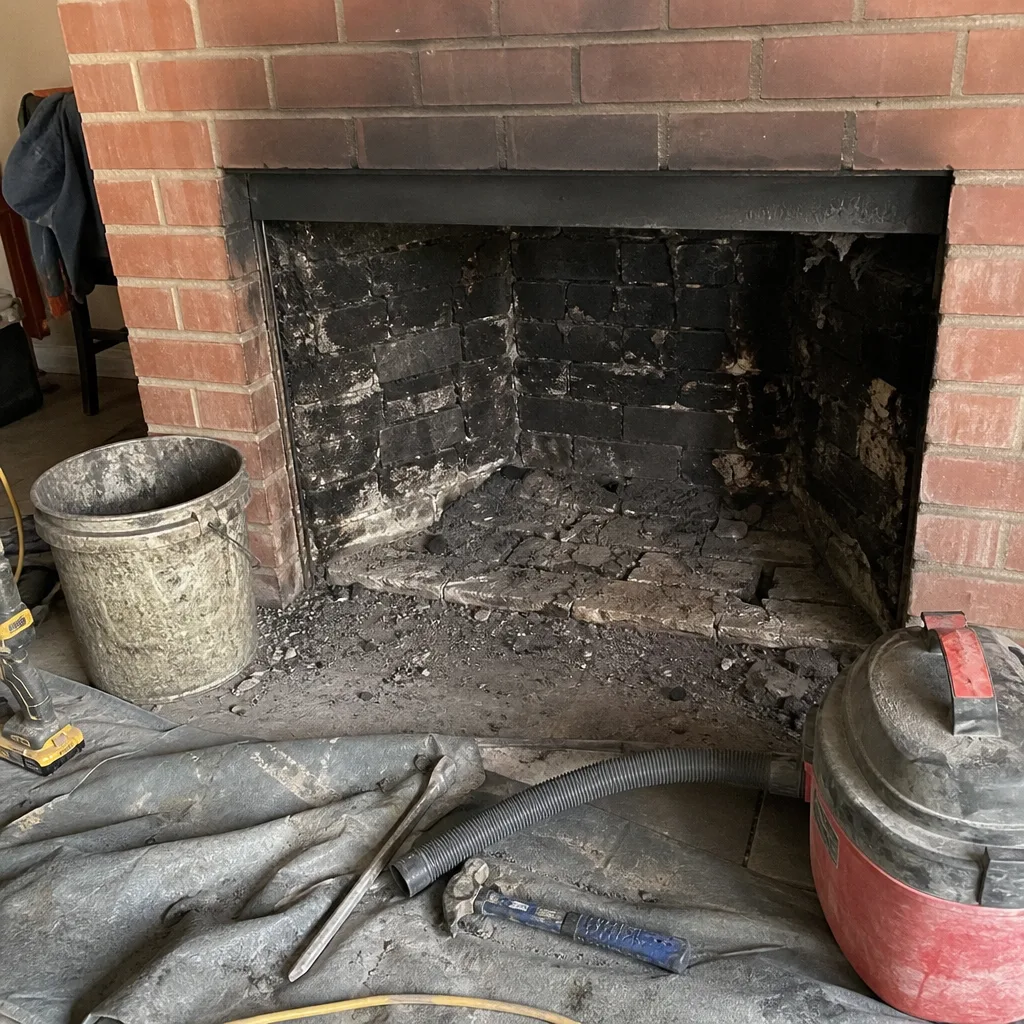 Before
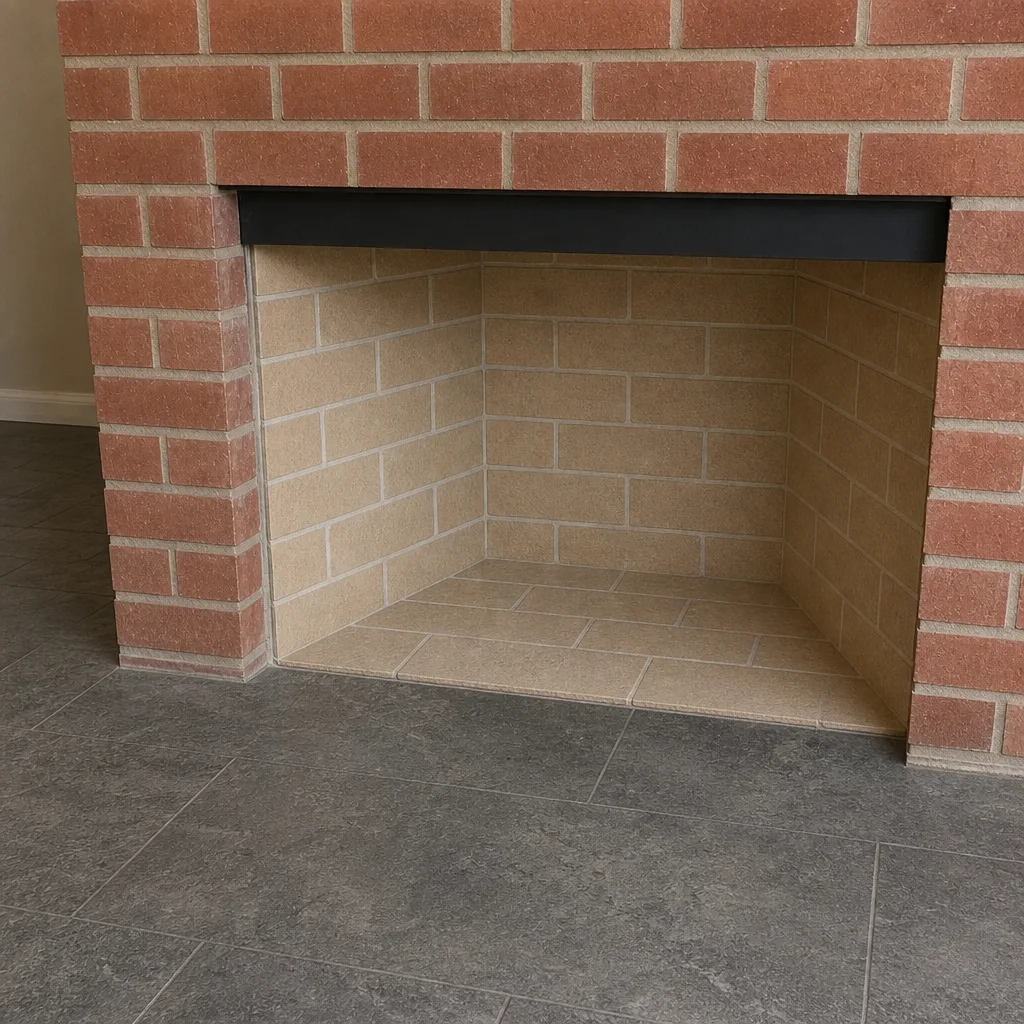 After
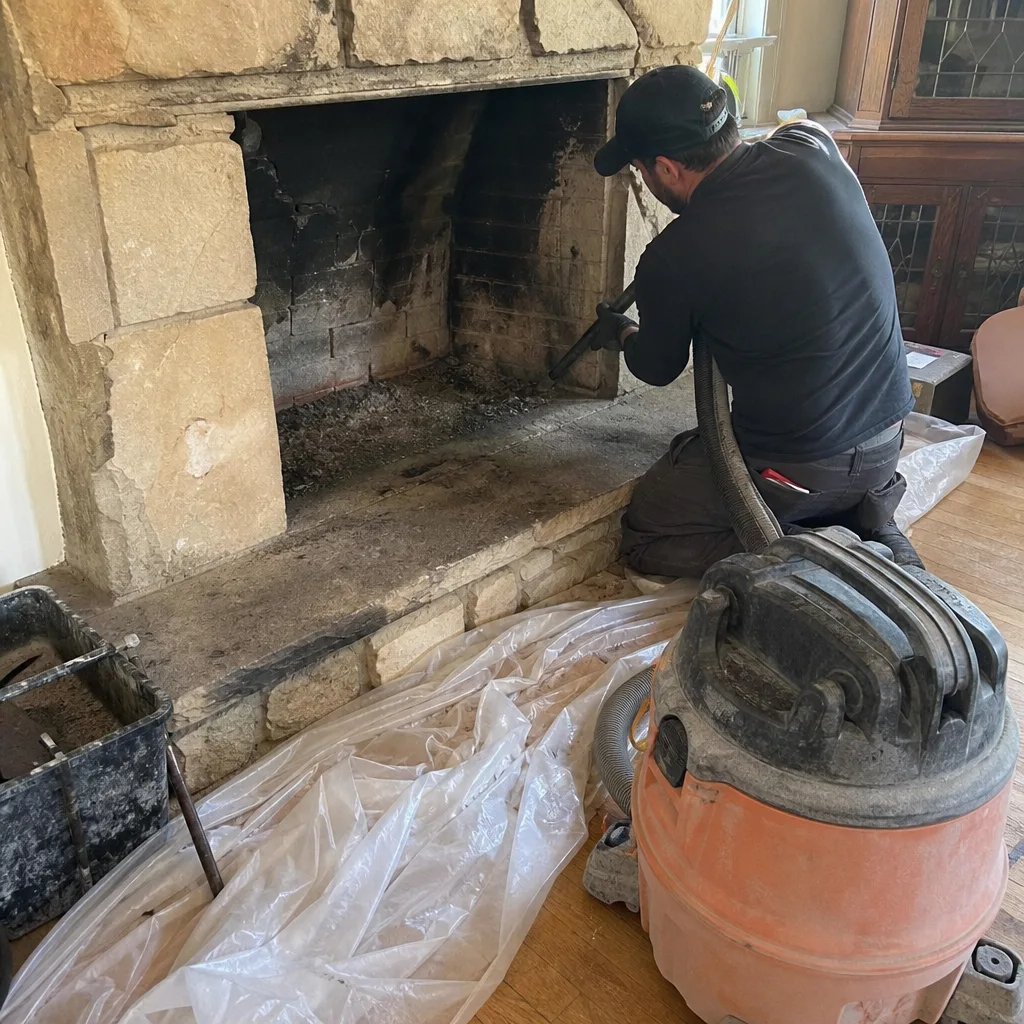 Before
 After
 Before
 After