
Last updated November 4, 2026
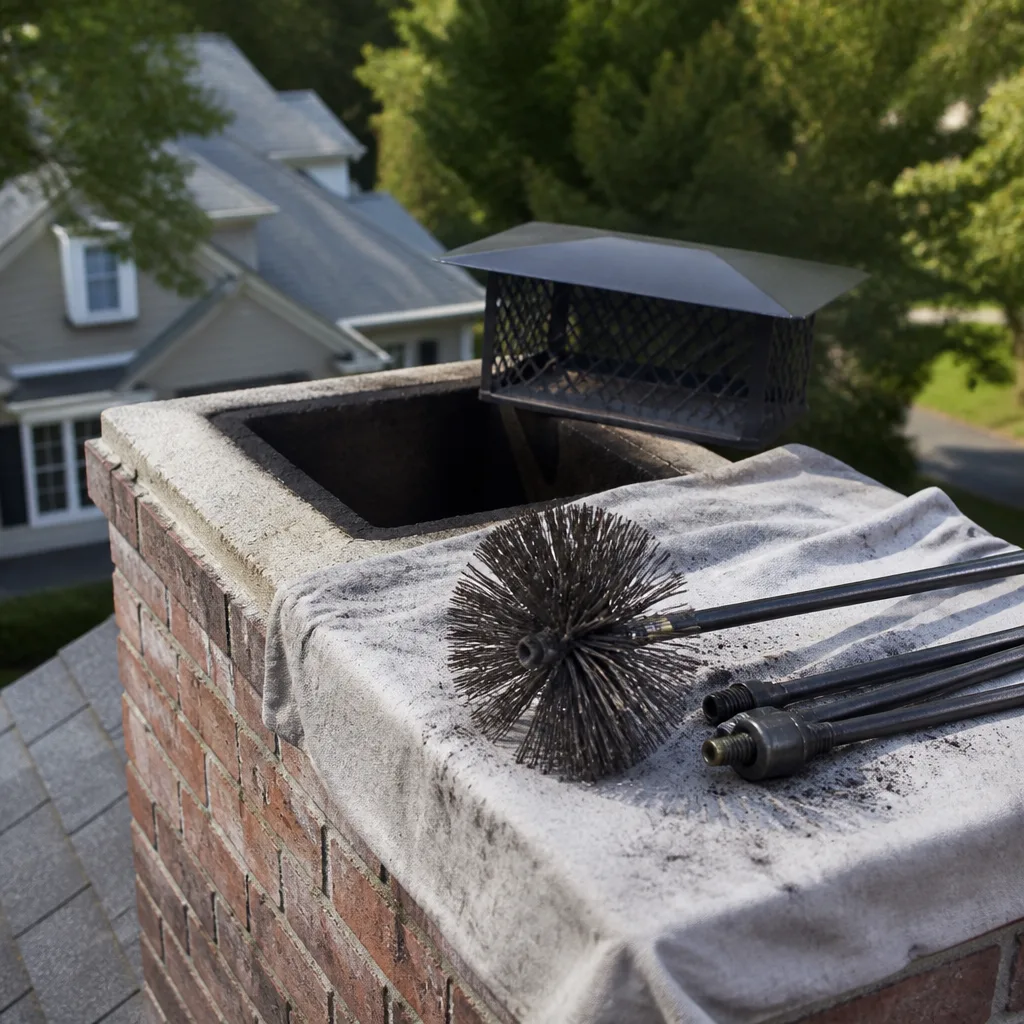 Sweep & inspection
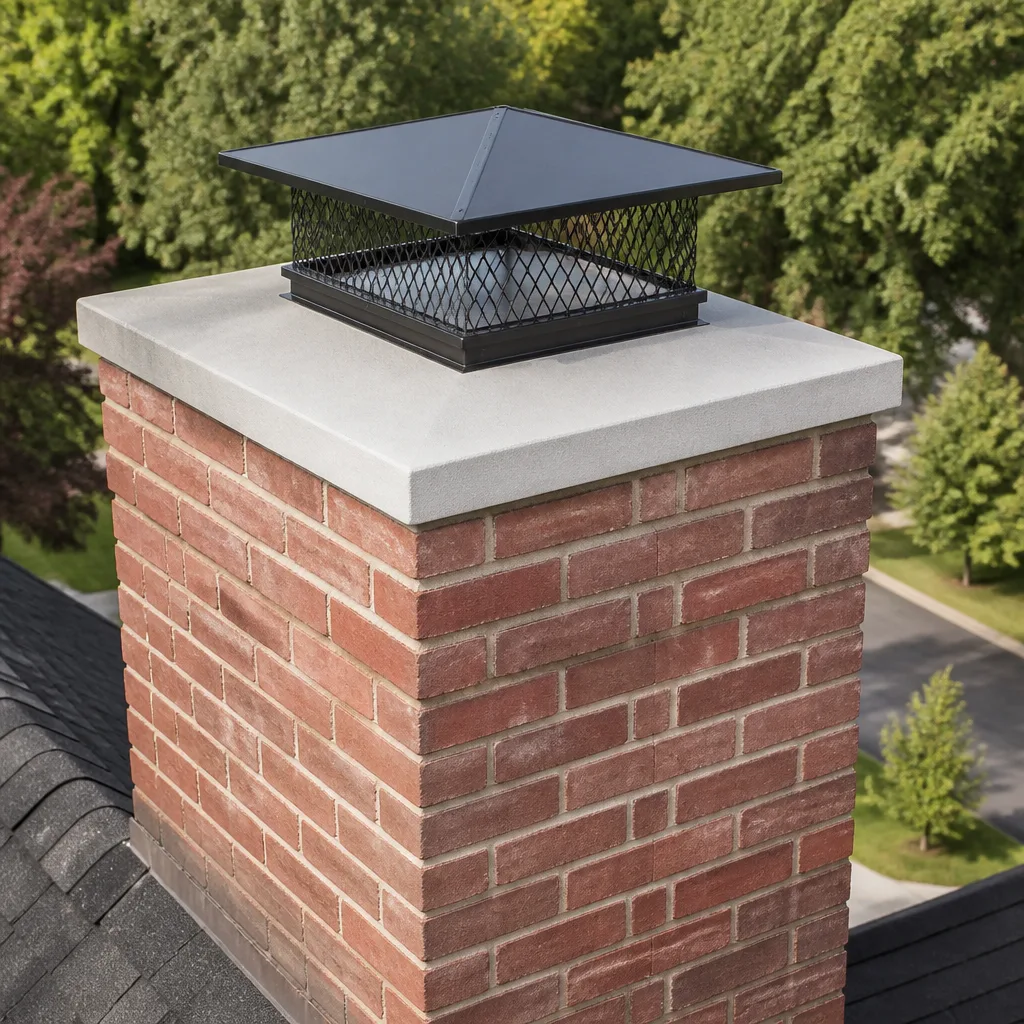 Caps & crowns
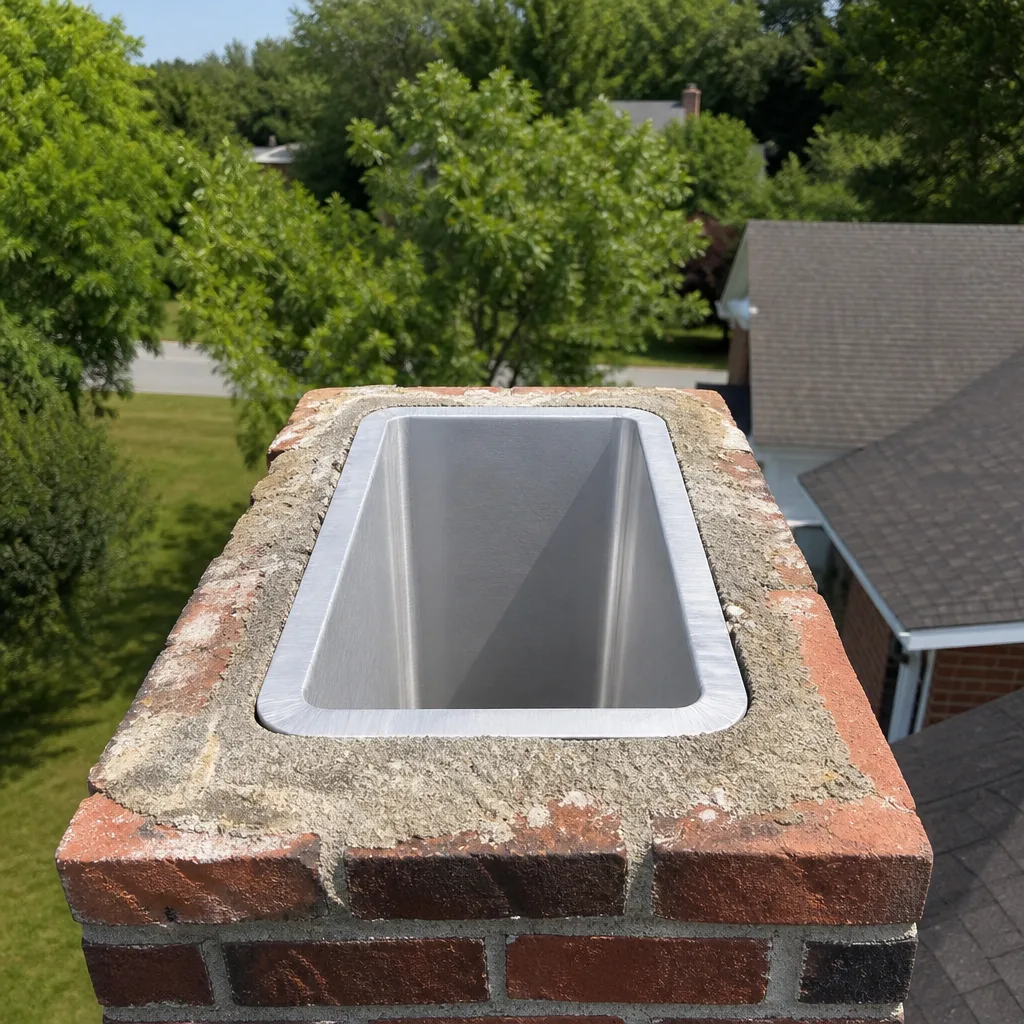 Flue relining
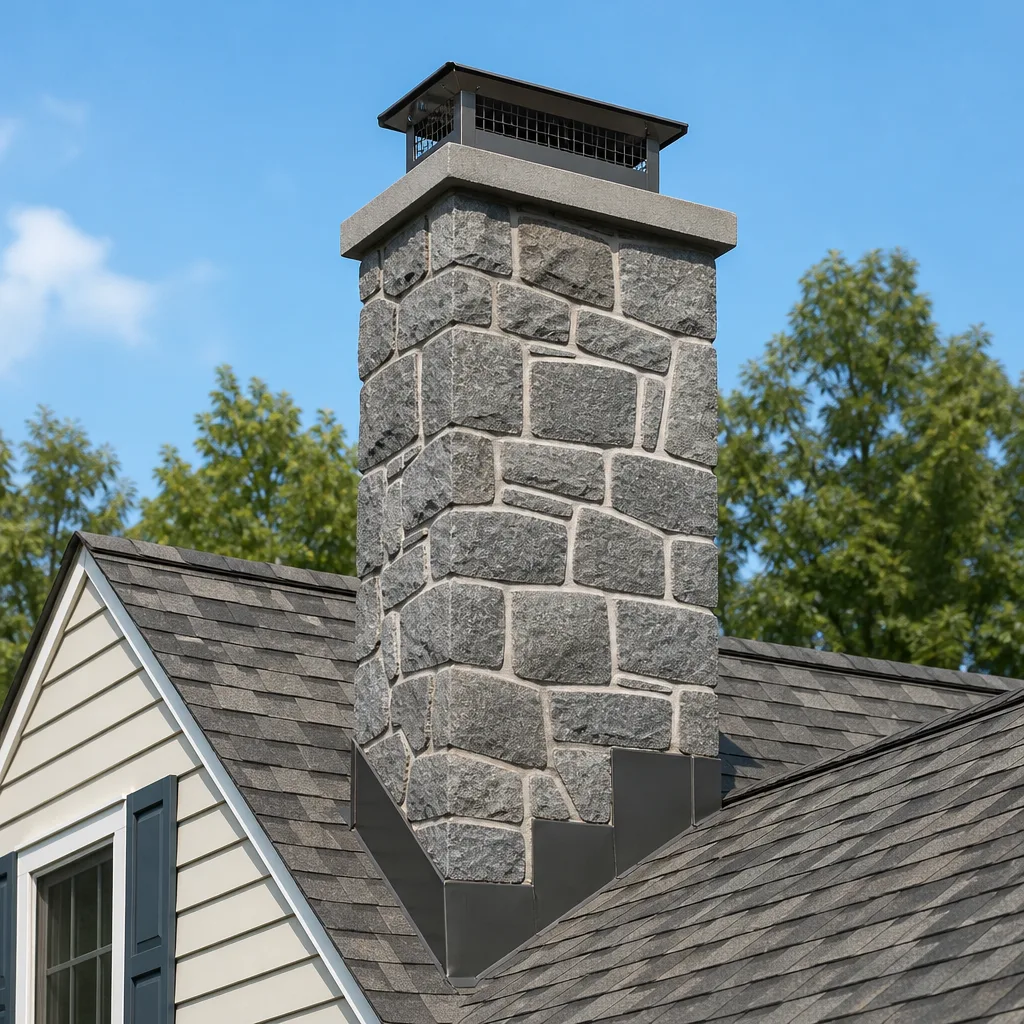 Masonry repair
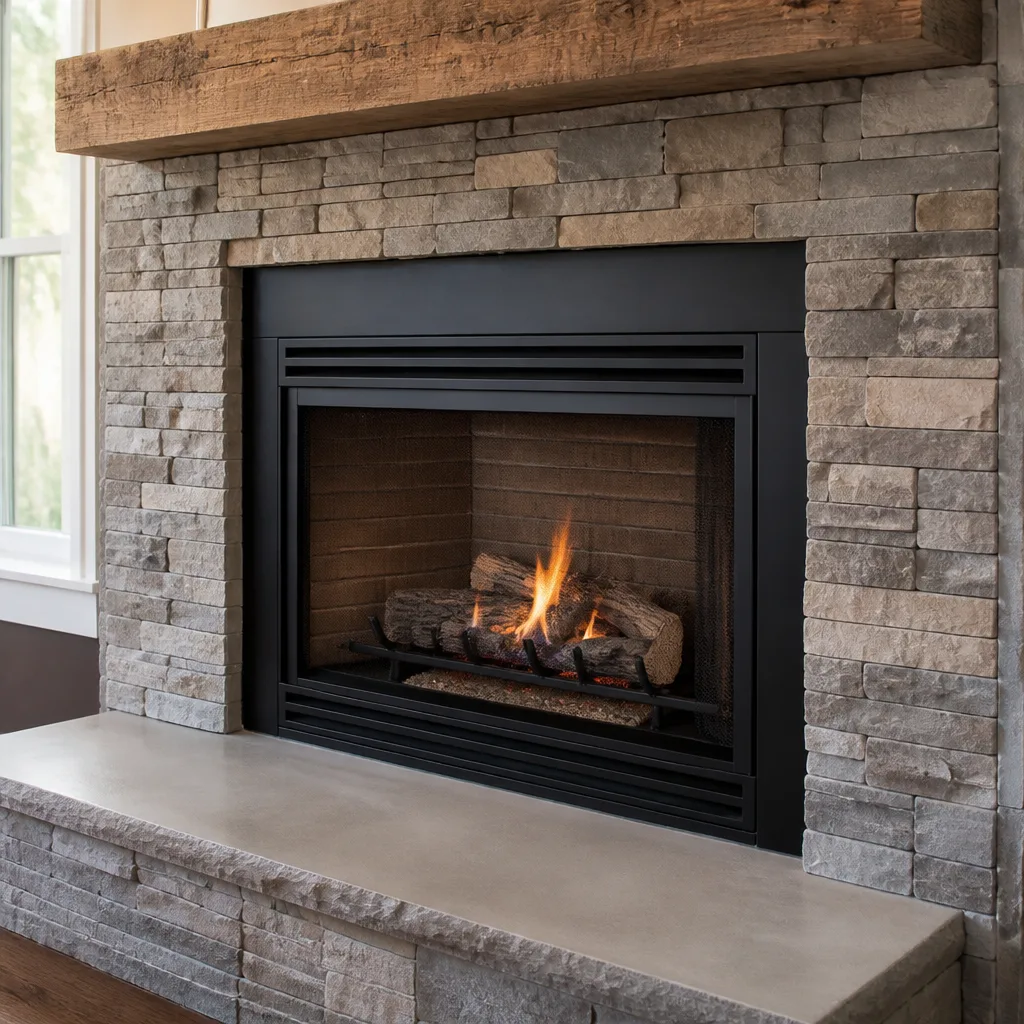 Gas fireplace service
Level 1 sweep and inspection to the NFPA 211 annual standard - flue, crown, cap, and flashing checked and photographed
Chimney sweep logs do not sweep chimneys. They loosen some creosote - which then falls where a brush and vacuum still have to collect it.
Chimney Cleaning Emergency Preparedness Guide for Arleta Homes
A chimney fire sounds like a freight train running through your roof. If you’ve never heard one, you might wait too long to call 911. If you have, you know the first 90 seconds determine how much of your house survives. Most Arleta homeowners assume a chimney emergency won’t happen to them because they don’t burn much wood or they had a sweep a few years back. That assumption is exactly what turns a contained flue fire into a roof fire. This guide walks through the full emergency sequence: what to do before anything goes wrong, the exact steps during a chimney fire or carbon monoxide event, and how to handle the inspection and insurance process afterward. It’s written for Arleta specifically, where Santa Ana winds push embers across the valley and a damaged cap can go unnoticed for months.
Styles & brands we work with
- Sweep & inspection
- Caps & crowns
- Flue relining
- Masonry repair
- Gas fireplace service
Quick Answer
A chimney emergency in Arleta demands a specific sequence: close the damper if you can safely reach it, evacuate everyone from the house, and call 911. Never pour water into a burning chimney because the thermal shock can crack the flue liner and turn a contained fire into a structural one. After the fire department clears the scene, the chimney must receive a professional inspection before any further use, even if it looks fine from the outside.
Table of Contents
- Chimney Fire Response Protocol: The Exact Sequence
- Carbon Monoxide: How to Recognize a Blocked Flue Emergency
- Post-Fire Inspection: Why a Chimney That Survived Still Has to Be Checked
- Santa Ana Wind Damage: Caps, Chases, and What Can Wait Until Morning
- Documenting Chimney Damage for Insurance: What Adjusters Actually Need
- Preparedness: What Your Arleta Home Should Have Before an Emergency
- Common Mistakes to Avoid
- When to Call a Professional
- Frequently Asked Questions
- The Bottom Line
Chimney Fire Response Protocol: The Exact Sequence
A chimney fire is not a slow burn. Once creosote ignites inside the flue, temperatures can rise fast enough to crack clay liners and ignite framing lumber behind the brick. The response window is measured in seconds, but the sequence matters more than speed. Doing the wrong thing quickly makes the situation worse. Here is the order of operations we train our customers to follow in Arleta.
- Close the damper. If you can reach the damper lever without standing near the fireplace opening, close it. This cuts the primary oxygen supply to the fire. If the fire has already spread into the room or you feel heat radiating from the fireplace, skip this step and evacuate.
- Evacuate everyone from the house. Do not stop to collect belongings. Do not open the attic to check on the fire. The smoke from a chimney fire contains carbon monoxide and fine particulate that incapacitates quickly in a confined space.
- Call 911 from outside. Tell the dispatcher it is a chimney fire, not a general house fire. This changes how the responding crew approaches the structure. Firefighters in the Arleta area regularly train for chimney fires and know to check the attic and roof structure, not just the fireplace box.
- Do not use water. Pouring water into a burning chimney is the single most destructive action a homeowner can take. The thermal shock fractures clay flue liners and can explode masonry. Water also creates steam that spreads burning creosote onto the roof. Let trained firefighters decide how to suppress the fire.
- Do not re-enter until cleared. The fire department will check for extension into the walls and attic. Only after they give the all-clear should anyone go back inside. Even then, the chimney remains out of service until inspected.
In our experience, the damper step is the one most people get wrong. They either cannot find the damper lever because it has been painted shut or they accidentally leave it open and feed the fire. If there is any doubt, skip it. A chimney fire that loses its oxygen supply will often self-limit. One that gets a fresh draft through an open damper will keep pulling air and burning hotter. After the crisis passes, a chimney sweep should inspect the damper as part of the post-event work to make sure it still seats properly.
Carbon Monoxide: How to Recognize a Blocked Flue Emergency
Carbon monoxide from a blocked chimney does not announce itself the way a chimney fire does. There is no freight-train roar, no visible smoke, no crackling. What you get instead is a slow, odorless accumulation that produces flu-like symptoms: headache, dizziness, nausea, and a general feeling that something in the house is off. In a mild Arleta winter, the risk actually increases because people burn fires with windows closed and forget that combustion gases need a clear path to the roof.
A blocked flue CO event typically presents differently depending on the source. If you have a gas furnace or gas water heater venting into the same chimney as a fireplace, a blocked flue pushes carbon monoxide back into the living space whether or not you have a fire going. If the blockage is partial, like a collapsed clay tile or a bird’s nest, the symptoms may come and go with wind patterns and appliance cycling. That intermittent pattern is what makes homeowners write it off as seasonal allergies or a cold going through the family.
When the fire department arrives, tell them the following: when the symptoms started, whether they worsen when the furnace runs, and which appliances vent into the chimney. This information helps them meter the house correctly and find the blockage faster. A CO alarm that goes off and then stops when the heater shuts off is not a false alarm. It is the flue functioning intermittently, and that is exactly the kind of situation where a professional inspection finds a bird nest, a failed liner section, or a cracked flue tile that has been partially venting for months.
The distinction between a CO event from a blocked flue and one from a faulty appliance matters because the fix is different. An appliance-specific CO leak often traces to the burner or heat exchanger. A chimney CO problem traces to the venting path itself: the flue, the cap, the connector pipe, or the chase. If you have any suspicion that CO is present, leave the house and call the fire department first, then book an inspection. A professional can determine whether the flue is the problem or whether the issue sits with the appliance. We regularly find blocked flue caps on Arleta homes where birds have built nests that look like a natural vent from the street but are almost fully sealed from above.
Post-Fire Inspection: Why a Chimney That Survived Still Has to Be Checked
The most dangerous sentence a homeowner can say after a chimney fire is that the chimney looks fine from the outside. What the outside of the brick tells you is almost nothing. The inside of the flue is where the damage happens, and that damage hides behind masonry and drywall. A flue that survived a chimney fire may have hairline cracks in the clay liner, compromised mortar joints, or a creosote glaze that re-ignites more easily than the original deposit. Using that chimney again without an inspection is gambling with the structural integrity of the roof.
A post-fire inspection is different from a routine annual sweep. The industry standard for a chimney that has been through a fire is a Level 3 inspection, which is the most invasive category. It involves accessing concealed areas of the chimney structure and may require opening up drywall or removing portions of the chimney to see what happened to the liner and the framing around it. The inspector is looking for three specific things: cracks in the flue liner that allow heat transfer to combustible framing, creosote that has glazed into a hard, glossy residue that burns hotter than the original deposit, and any separation between the masonry and the house structure created by thermal expansion during the fire.
A Level 3 inspection after a fire is not optional paperwork. It is the only way to know whether the chimney can safely function again. If the liner is cracked, the repair path may involve installing a stainless liner system like DuraFlex to reline the flue independently of the damaged clay tile. If the deterioration is less severe, a resurfacing product like HeatShield can restore the interior surface without a full tear-out. The specific solution depends on what the inspection finds, but the point is that the chimney does not go back into use until someone has actually looked inside it and documented what they saw.
Arleta homeowners sometimes assume that an older chimney fire their parents never had inspected is proof that inspections are overkill. What that logic misses is that every chimney fire is different. A small fire that self-limits in a wide flue does little damage. A hot fire in a narrow flue with a heavy creosote load can crack a liner before the fire truck arrives. You cannot know which one you had from the outside.
Santa Ana Wind Damage: Caps, Chases, and What Can Wait Until Morning
Arleta gets its worst chimney damage not from fires but from wind. Santa Ana events regularly exceed 50 mph in the valley, and a sustained blow at that speed tears loose chimney caps, bends chase covers, and scours mortar joints that were already weakened. The damage is rarely dramatic. A cap that lifts and lands back at an angle, a chase cover with one corner peeled up, a rain cap bent out of round. Homeowners notice it the next morning and have no idea whether it is an emergency or a weekend project.
Here is the practical rule we give our Arleta customers: if the damage leaves a direct opening into the flue, it needs same-day attention. A missing cap or a displaced chase cover means birds, rain, and debris have an open path into the chimney and, depending on the configuration, into the house. Tarping or temporary capping the opening keeps the damage contained until a permanent repair can be scheduled. If the cap is bent but still seated and the mesh is intact, it can usually wait until the next business day without further risk. The distinction is whether the flue is exposed.
What you should not do is run the fireplace until someone has verified that the flue path is clear. A bent cap can restrict draft or force exhaust gases back down toward the roof, and a partially dislodged spark arrestor can catch debris and ignite. Wind-damaged chimneys in Arleta tend to reveal one additional issue: the wind event was the final push on a component that was already loose. That means the repair is often not just re-securing the cap but rebuilding the crown or replacing the mounting hardware underneath it. A Chimney Sweep Arleta technician can assess whether the fix is simple or structural.
Documenting Chimney Damage for Insurance: What Adjusters Actually Need
Chimney damage claims are denied more often for poor documentation than for lack of coverage. The insurance company does not need you to be a structural engineer. It needs a clear record of what happened, when it happened, and what the damage looks like from the moment of the event. The good news is that nearly every Arleta homeowner carries a phone that can capture all of this in the first hour after the emergency.
The documentation sequence starts while the event is still fresh. If it is a chimney fire, photograph the fireplace opening, the damper position, any smoke staining on the walls or ceiling, and the exterior of the chimney from the ground. If it is wind damage, photograph the cap or chase from multiple angles, including any parts that have fallen onto the roof or into the yard. Every photo should have a timestamp because the adjuster will want to establish that the damage happened on a specific date and not gradually over time.
After the initial photos, keep a written log. Note the date and time of the event, who responded (fire department, utility company), any readings taken for carbon monoxide, and exactly what was said about safety. If the fire department tells you the chimney cannot be used until inspected, write that down and get it in the report if possible. Insurance claims for chimney fires often stall on the question of whether continued use after the event worsened the damage. A written record that you stopped using the chimney immediately protects you.
The final piece is the contractor report. When a chimney professional inspects the damage, the report should specify the cause, the scope, and the proposed repair. Vague language like “damage noted” does not move a claim forward. The adjuster needs to know that a Santa Ana wind event lifted the cap at 3:18 AM on a specific date and that the flue was exposed as a result. A contractor who knows how insurance documentation works will write the report in a way that maps the damage to the policy language. That report is what turns a denied claim into a covered one.
Preparedness: What Your Arleta Home Should Have Before an Emergency
Emergency preparedness for a chimney is not about buying gear. It is about knowing what you have, where things are, and who to call before the moment you need them. Most Arleta homes with a working fireplace already have the basics: a CO detector somewhere in the house, maybe a fire extinguisher in the kitchen, and a vague memory of the last time the chimney was swept. The gap is not equipment. It is the specific knowledge that turns those tools into a response plan.
Start with the CO detector placement. It should be on every level of the house and in the hallway outside the bedrooms. If the detector is more than seven years old, replace it, because the sensor degrades whether or not the unit ever alarmed. A CO detector that has been chirping on and off for months is not a quirky appliance. It is a sensor telling you it has reached the end of its life or that something in the air is worth investigating. Both possibilities need attention.
Know where the damper lever is and check it before burning season starts. A damper that is rusted open cannot be closed during a chimney fire, and one that is hard to reach from the firebox will not be reachable when you need it. Also know how to shut off the gas to the house, because a chimney fire that complicates a gas line requires the gas off before the fire department can work safely.
Finally, have the number of a chimney professional saved before a Santa Ana warning goes into effect. The phone call you make on a calm Tuesday is a different conversation than the one you make on a Sunday night with a tarp flapping on the roof. The emergencies that do the most damage are the ones where the homeowner spends the first hour figuring out who to call. A dryer vent cleaning is not part of chimney preparedness, but the same principle applies to that system: dryer vents are a fire hazard too, and knowing who handles both systems in one call simplifies the response when something goes wrong.
Common Mistakes to Avoid
- Using water on a chimney fire. Thermal shock cracks flue liners and turns a contained fire into a structural problem. The fire department has training and equipment for this. Let them do their job.
- Assuming no visible damage means no damage. Chimney fires damage the inside of the flue, not the outside of the brick. An external inspection after a fire proves nothing.
- Ignoring a CO alarm that resets itself. Intermittent CO readings from a blocked flue are often written off as false alarms when the heater cycles off. A flue that vents sometimes is a flue that needs to be looked at.
- Treating the annual sweep as optional after a fire. The routine maintenance schedule does not apply after an emergency. That is a separate, more invasive inspection and it cannot be skipped because you had a sweep eight months ago.
- Tarping a roof without documenting the damage first. The insurance adjuster needs photos of the exposed flue and the damaged cap before anyone covers it. Tarp it, but shoot it first.
- Waiting until the next Santa Ana season to fix last season’s damage. A loose cap that survived one wind event will not survive the next one. The second failure is usually the one that takes the chimney crown with it.
When to Call a Professional
Call a chimney professional any time a chimney fire has occurred, even a small one. Call if the CO alarm has gone off and the fire department found no appliance-specific source. Call if a Santa Ana wind event has left the cap missing, bent, or partially detached. Call if the fireplace suddenly drafts differently than it did last month, with smoke entering the room or a smell you cannot identify. Call if the flue has not been inspected in over a year and you burn wood regularly in Arleta. Chimney Sweep Arleta offers free estimates in Arleta and handles the full scope: sweeping, inspection, liner installation using DuraFlex, flue resurfacing using HeatShield, and dryer vent cleaning. Call (833) 958-9616. We answer 24/7. Fast dispatch from 7am to 7pm, Sunday through Friday.
Frequently Asked Questions
Close the damper if you can reach it safely, evacuate everyone from the house, and call 911 from outside. Do not use water and do not re-enter until the fire department gives the all-clear. Afterward, book a post-fire inspection before using the chimney again.
The cost depends on the inspection level and the condition of the chimney, so it is set by the written estimate. A post-fire inspection typically falls into the Level 3 category, which is more involved than an annual sweep. Call (833) 958-9616 for a free estimate at your Arleta property and we will explain exactly what the inspection involves.
No. Even a small chimney fire can crack the flue liner in ways that are invisible from the outside. The chimney must be inspected by a professional before any further use. Using it before the inspection risks a second, more dangerous fire.
If the CO alarm sounds when the furnace runs or when you have a fire going, and the symptoms improve when the appliances cycle off, the flue is a likely source. Leave the house, call the fire department, and tell them which appliances vent into the chimney. A professional inspection will then determine whether the blockage is in the flue or the appliance.
If the cap is missing or displaced and the flue is exposed, cover the opening the same day to keep rain, birds, and debris out. If the cap is bent but still seated with the mesh intact, it can generally wait until the next business day. In either case, do not use the fireplace until the flue path has been verified clear.
At least once a year if you burn wood regularly. Homes that burn soft woods or unseasoned wood may need more frequent cleaning because creosote accumulates faster. A routine Arleta sweep is the single most effective way to prevent a chimney fire before it starts. Call (833) 958-9616 to schedule one.
The Bottom Line
A chimney emergency in Arleta is survivable if you know the sequence and act in the right order. Close the damper, evacuate, call 911, never use water. Carbon monoxide from a blocked flue is sneaky and often mistaken for illness, so treat any CO alarm as real until proven otherwise. After any chimney fire, get a Level 3 inspection before burning again, and never assume the outside of the chimney tells you what happened inside. Santa Ana wind damage is a routine hazard in this part of the valley, and the difference between a quick fix and a structural repair usually comes down to whether the flue was left exposed. Document everything for insurance, and know who to call before the emergency arrives. The prepared homeowner in Arleta is not the one with the most equipment. It is the one who already knows the number.
Written by the team at Chimney Sweep Arleta, serving Arleta since 2017.
See the difference
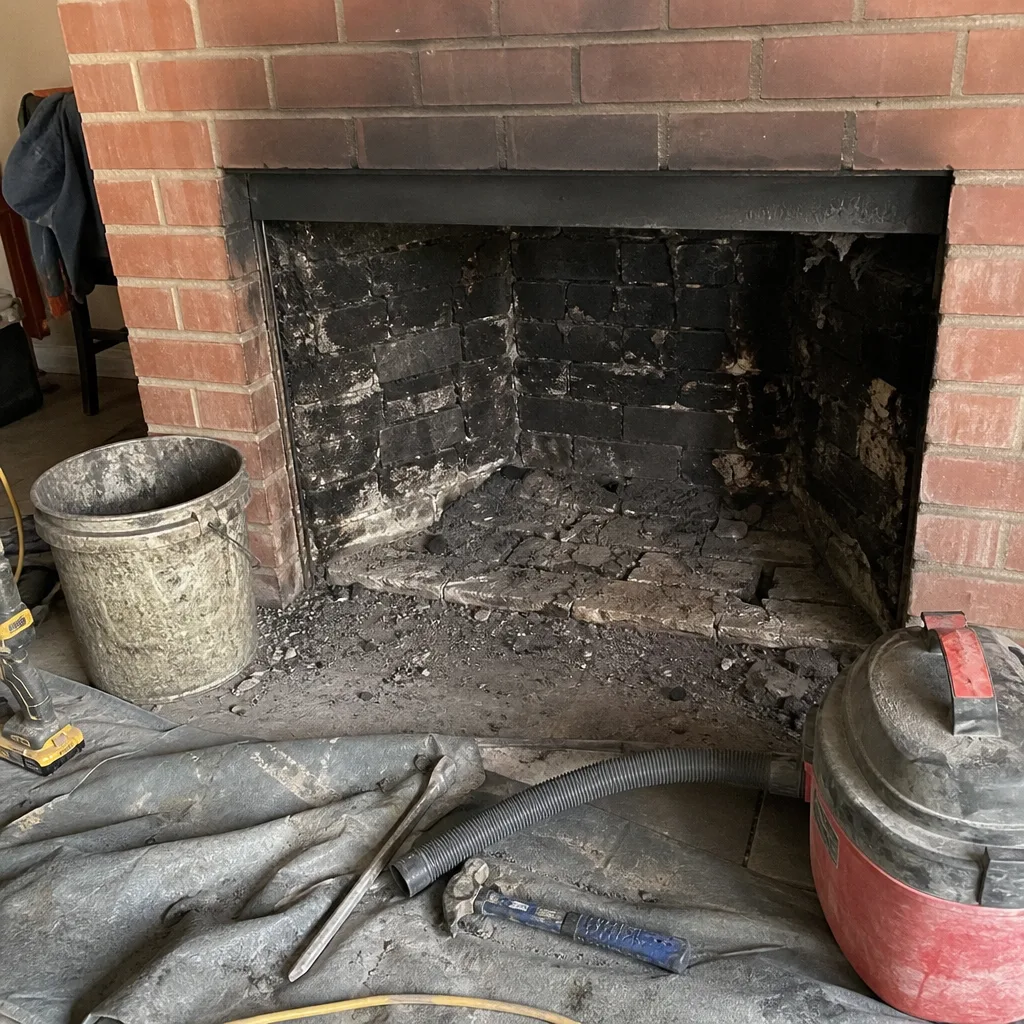 Before
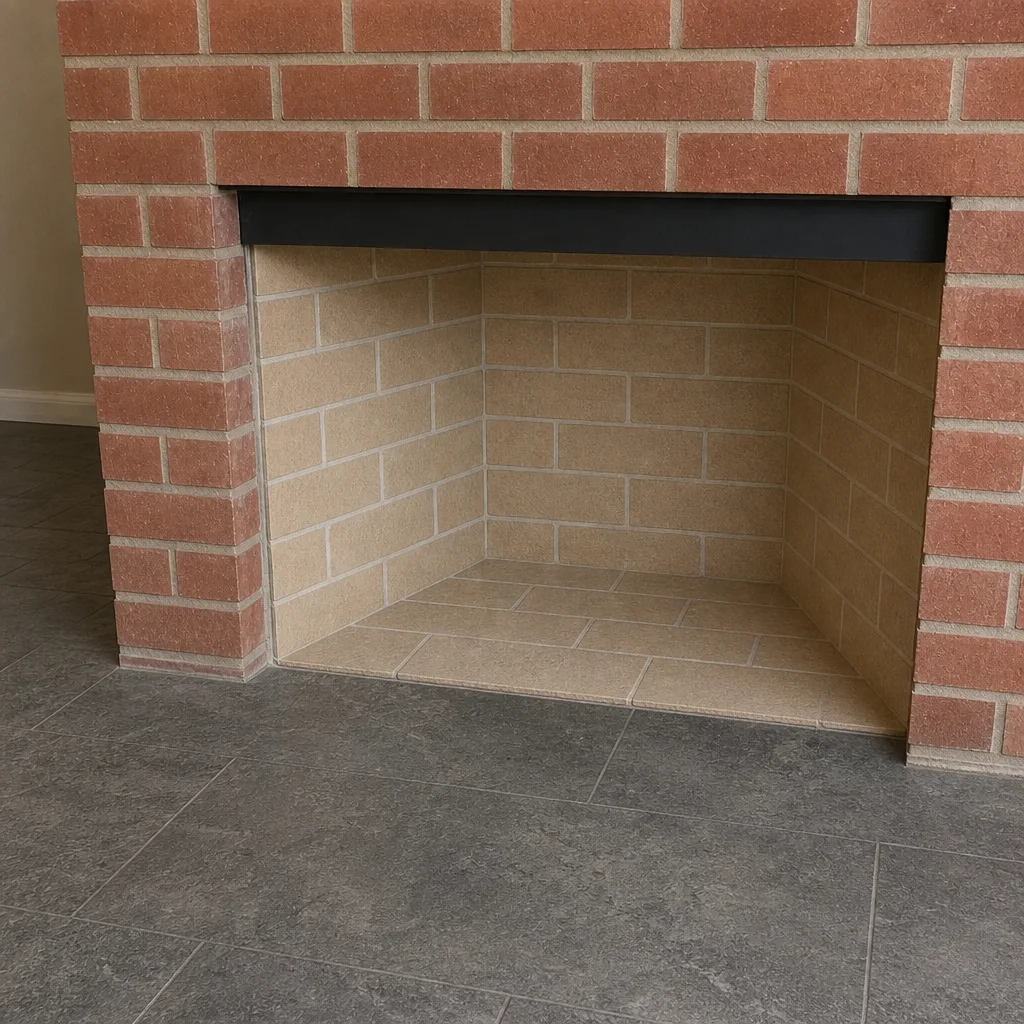 After
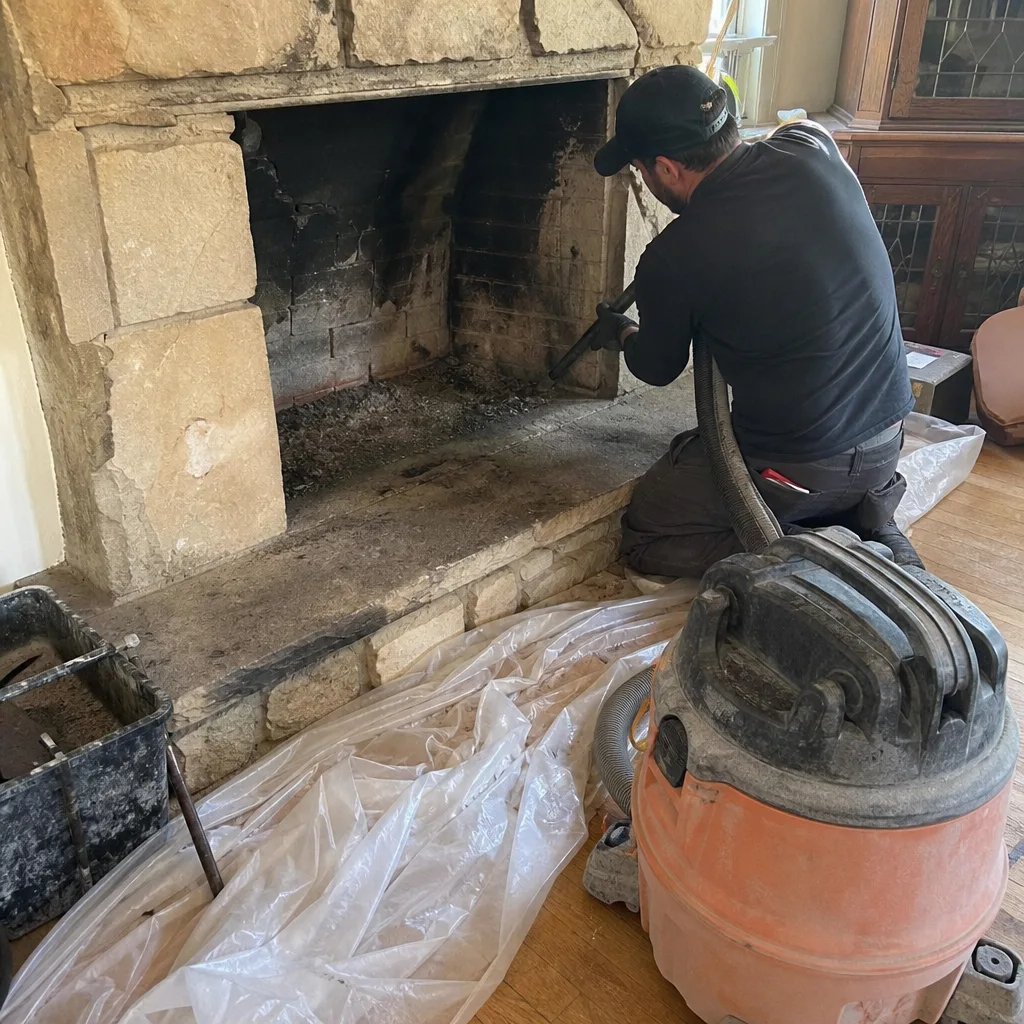 Before
 After
 Before
 After