
Last updated November 4, 2026
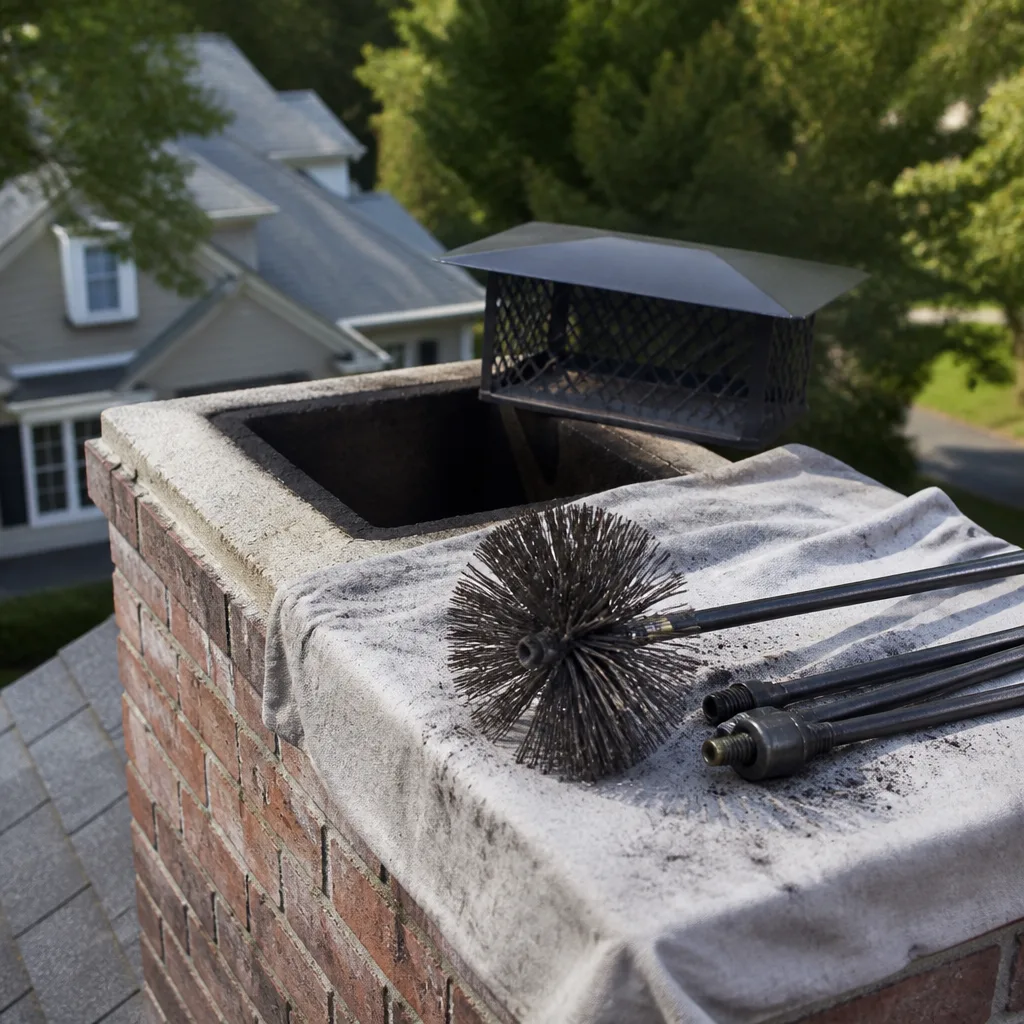 Sweep & inspection
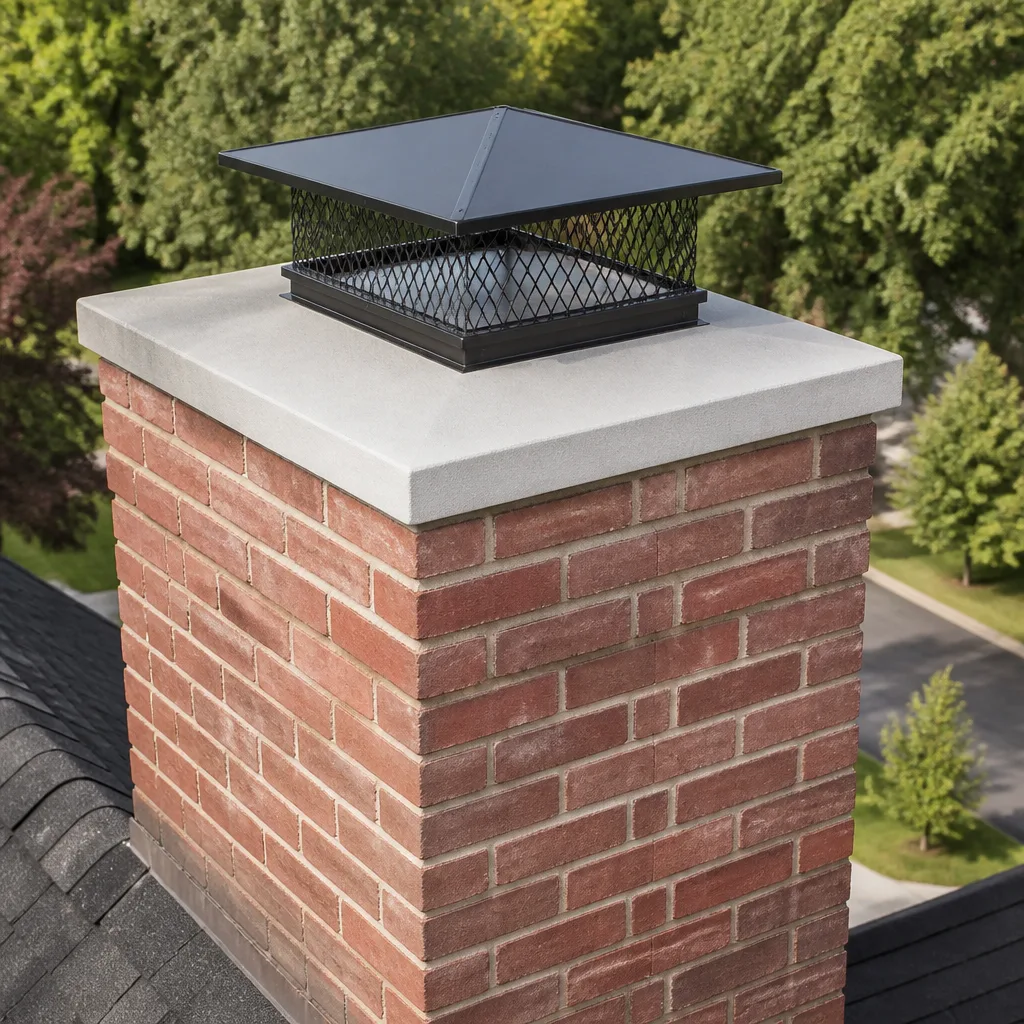 Caps & crowns
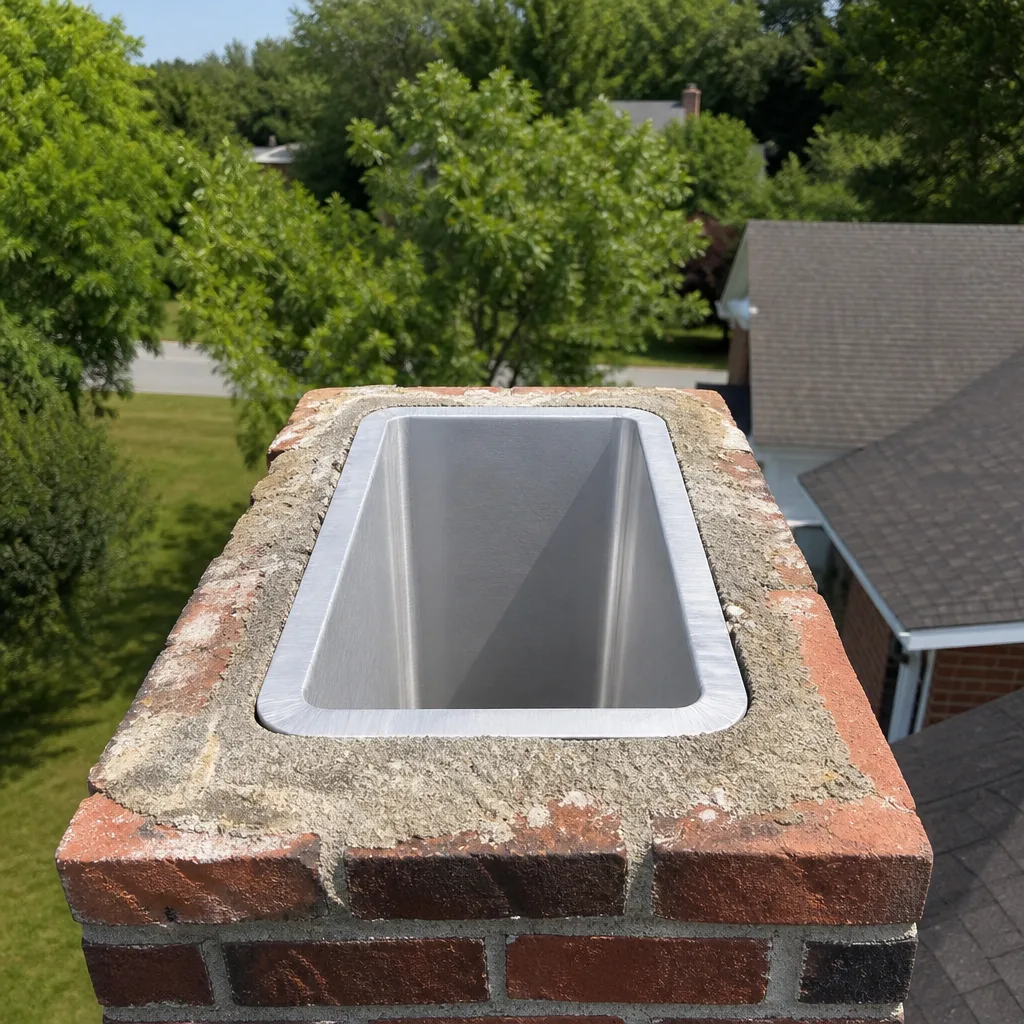 Flue relining
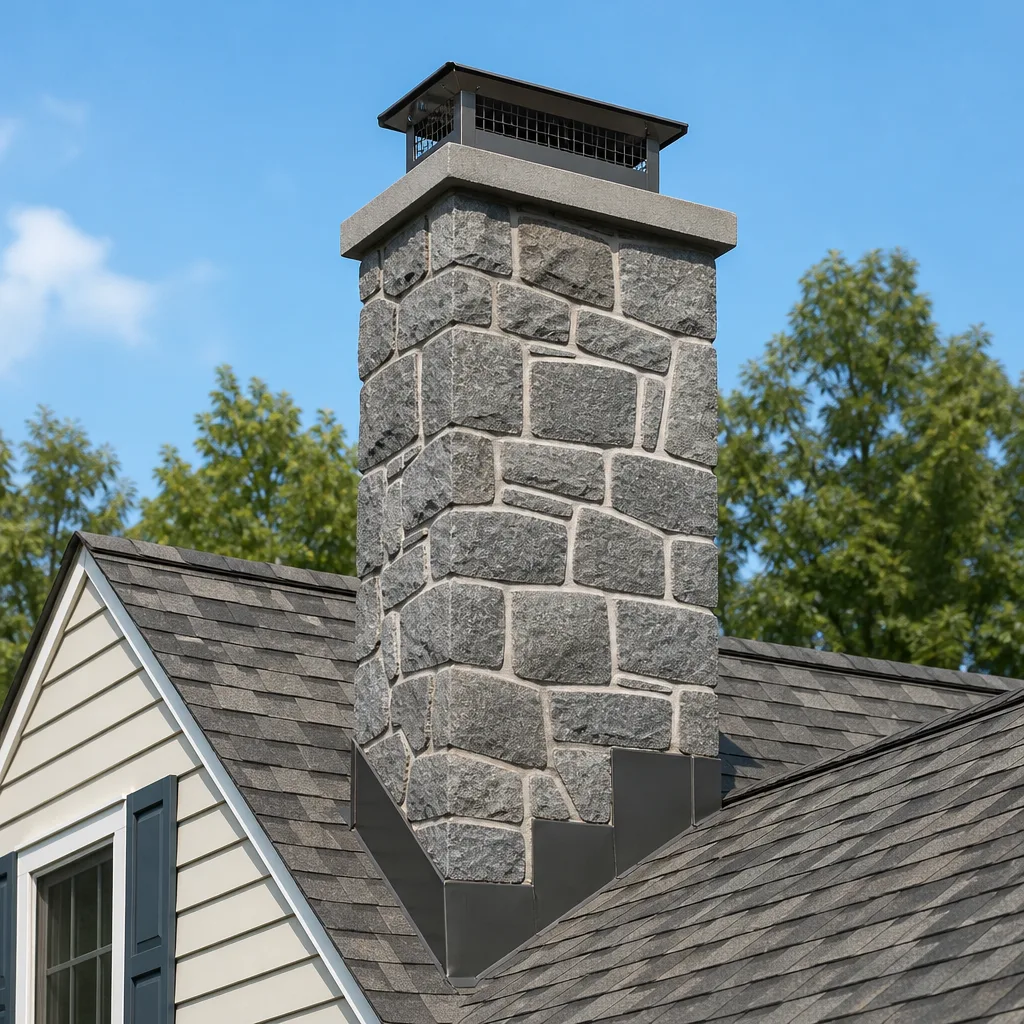 Masonry repair
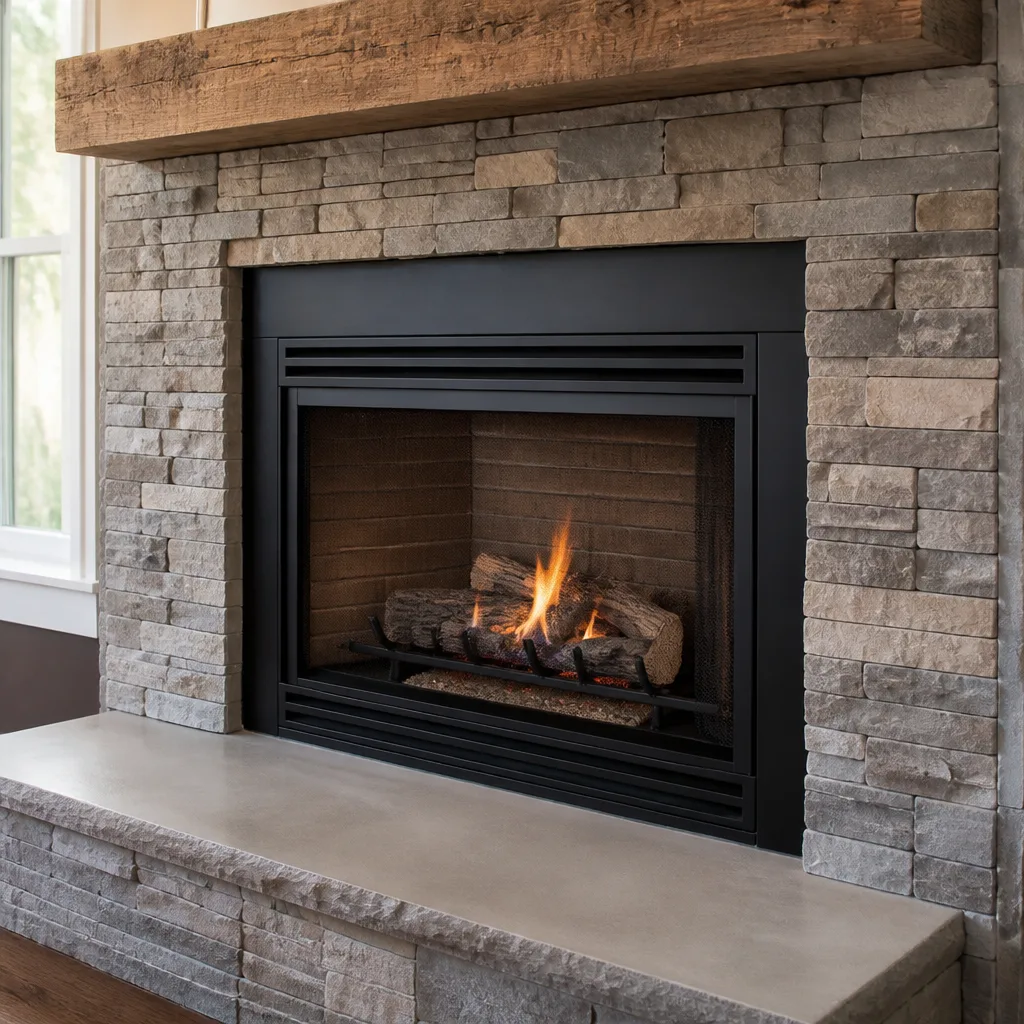 Gas fireplace service
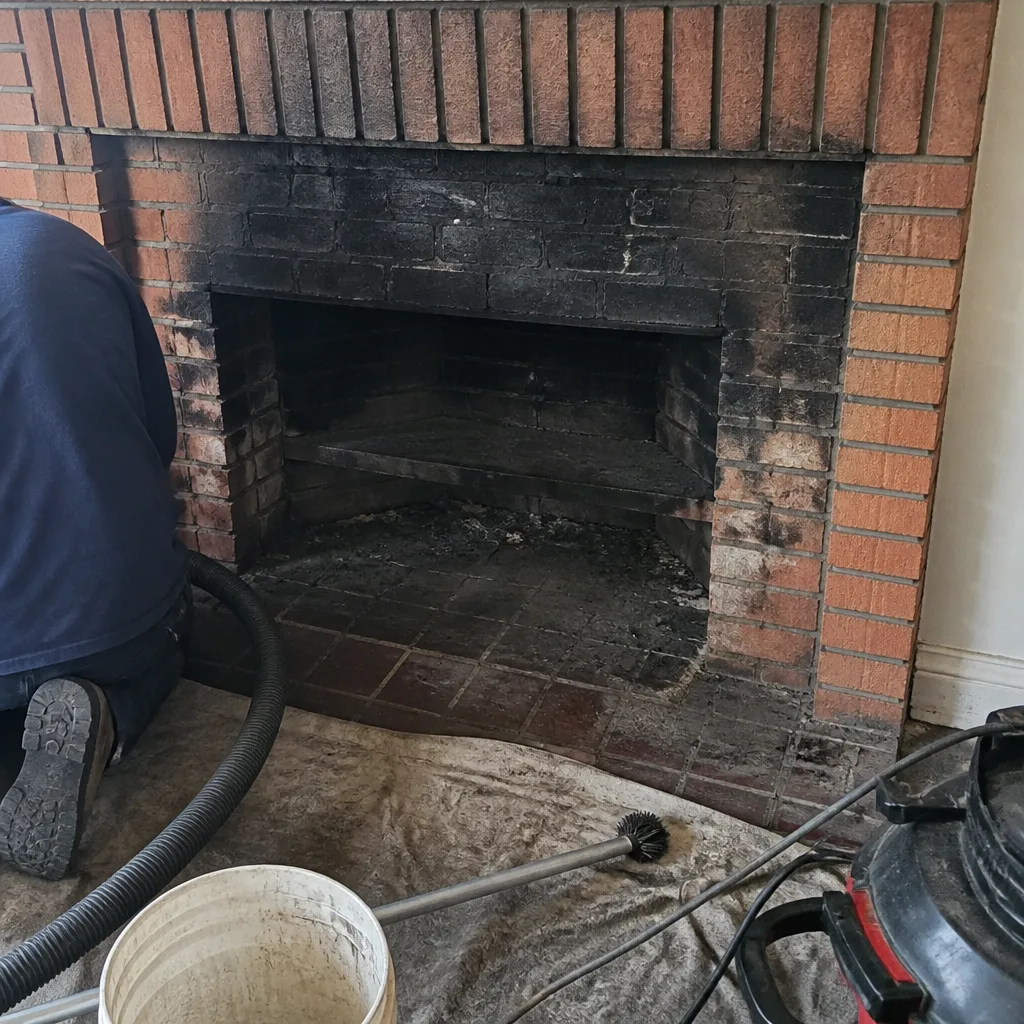
Level 1 sweep and inspection to the NFPA 211 annual standard - flue, crown, cap, and flashing checked and photographed
Chimney sweep logs do not sweep chimneys. They loosen some creosote - which then falls where a brush and vacuum still have to collect it.
Seasonal Chimney Cleaning Care for Arleta: Year-Round Homeowner’s Guide
Most chimney advice you’ll find online was written for houses in New England or the Midwest, where a chimney gets used four months a year and sits dormant the rest. That model falls apart in Arleta. Here, we burn wood for ambiance on cool winter evenings, run gas fireplaces and gas water heaters that vent through chimneys year-round, and deal with Santa Ana winds that drive debris and animals into flues right when fire season begins. This guide replaces the generic annual-sweep checklist with a season-by-season plan built for the San Fernando Valley, so you know what to do, when to do it, and why it matters for a chimney that works hard in every season.
Quick Answer
Chimney cleaning in Arleta should follow the local calendar, not a national one: schedule your main sweep and inspection in September or early October before Santa Ana winds and the first fires, do a visual and draft check during winter use, assess moisture and mortar damage in spring after the rainy season, and have gas venting and chimney caps checked in summer even when no fires are lit. A year-round schedule costs about the same as a reactive repair cycle but catches issues like cracked flue liners, wind-driven debris, and moisture-damaged mortar before they become safety problems.
Styles & brands we work with
- Sweep & inspection
- Caps & crowns
- Flue relining
- Masonry repair
- Gas fireplace service
Table of Contents
- Fall: The Real Start of Chimney Season in Arleta
- Winter: What to Monitor During Active Use
- Spring: Post-Season Assessment and Moisture Damage
- Summer: Why Gas Vents and Caps Still Need a Check
- Year-Round Maintenance vs. Reactive Repair
- What Professional-Grade Materials Mean for Liner Life
- Common Mistakes to Avoid
- When to Call a Professional
- Frequently Asked Questions
Fall: The Real Start of Chimney Season in Arleta
If you only do one chimney task all year, do it in September or early October. The reason is specific to this part of the San Fernando Valley: Santa Ana winds typically arrive in October and November, carrying dust, leaves, twigs, and the occasional disoriented bird or rodent into any unprotected flue opening. When you light that first fire in late November or December, whatever the wind deposited in the flue is now sitting between you and a contained burn. Debris in a flue is fuel. Fuel plus heat plus creosote from last season is exactly how chimney fires start.
A pre-season chimney sweep in Arleta should include more than brushing the flue. Our process covers the full system: the firebox, the damper, the smoke chamber, the flue liner, the chimney crown, the cap, and the exterior masonry. That last part matters more in Arleta than in wetter climates. The combination of intense summer sun, Santa Ana wind-driven grit, and winter rain stresses mortar joints in ways that show up as hairline cracks. Catching those cracks in October means a quick tuckpoint repair now instead of a structural rebuild after a wet winter.
We also recommend scheduling before the winds, not after. Once Santa Ana season starts, a chimney without a properly fitted cap acts like a debris trap. Birds and rodents looking for shelter enter through the flue opening. Nests block airflow and create both a fire hazard and a carbon monoxide backdraft risk. A spark arrestor cap with the right mesh size stops animals without restricting draft. It’s a five-minute check during a sweep and it prevents one of the most common Arleta chimney problems we see.
What Fall Service Should Cover
- Flue cleaning: Remove creosote and soot from the flue liner walls, smoke chamber, and firebox.
- Inspection of the liner: Check for cracks, spalling, or gaps using a camera where needed, especially if the home is older and the liner may be terra cotta.
- Damper operation: Confirm it opens fully, seals when closed, and doesn’t stick.
- Cap and crown check: Look for missing caps, damaged mesh, cracks in the crown, and signs of animal intrusion.
- Masonry assessment: Note any mortar joint deterioration, brick spalling, or efflorescence from moisture wicking.
- Smoke test: After cleaning, verify draft direction and strength so the first fire of the season draws correctly.
If the inspection turns up a cracked or deteriorated flue liner, fall is the right time to address it. Installing a DuraFlex stainless steel liner before winter means you burn safely through the cold months without worrying about heat reaching combustible materials through a cracked tile liner. Waiting until you can see sparks or smell smoke means the problem has already escalated.
Winter: What to Monitor During Active Use
Arleta winters are mild, which means two things: you’ll use your fireplace for ambiance and supplemental heat rather than survival, and you may burn more than you think because the evenings still get cold enough to justify a fire. December through February is when creosote accumulates fastest, especially if you burn wood that hasn’t been seasoned properly or you tend to burn low, slow fires that don’t produce enough draft to carry combustion byproducts up and out.
The temperature inversion that sits over the San Fernando Valley on winter mornings creates a specific draft challenge. Cold air sinks and traps a layer of cooler air near the ground. When you light a fire on one of those mornings, the chimney doesn’t get the strong vertical temperature difference it needs to draw. You may notice smoke wafting into the room instead of up the flue. The fix is usually simple: open a window a crack to balance pressure, use a top-down fire-building method to heat the flue faster, and make sure the damper is fully open before you light. If draft problems persist, it’s worth having the chimney checked for blockages or liner damage rather than fighting it all season.
During active use, look for these signs each time you light a fire:
- Smoke in the room: This means draft failure. Sometimes it’s atmospheric, sometimes it’s a blocked flue. Repeated occurrence points to a problem.
- A strong, sharp smell even when no fire is lit: This often indicates creosote buildup or moisture in the chimney, especially after rain.
- Soot falling into the firebox: This can mean flue liner damage or heavy creosote accumulation that needs a mid-season sweep.
- Unusual sounds from the flue: Scratching or fluttering suggests an animal, which is a fire and carbon monoxide hazard, not just a nuisance.
- Visible cracks or water stains on the walls near the chimney: This points to structural or flashing issues, not just cosmetic damage.
If you burn more than twice a week, you may need a mid-season cleaning. The old rule about sweeping once a year assumes occasional use. A household that burns three or four fires a week from December through February can build up enough creosote in ten weeks to warrant a second sweep. The tell is a quarter-inch or more of buildup, which you can check by scraping the flue wall above the damper with a poker and looking for dark, flaky or glossy residue.
Spring: Post-Season Assessment and Moisture Damage
By March, the rainy season is winding down, but its effects on your chimney are just becoming visible. California’s winter rains, even the relatively modest amounts that fall in Arleta, do specific damage to masonry chimneys. Water soaks into porous brick and mortar. If temperatures are mild, the water just sits there. Over time, soluble salts in the masonry migrate to the surface and crystallize, leaving the white, chalky residue called efflorescence. Efflorescence itself is cosmetic, but it signals that water is moving through the masonry, which means the mortar joints are no longer repelling water effectively.
Spring is the right time to inspect for:
- Fresh cracks in the crown: The chimney crown is the concrete slab at the top that sheds water away from the flue. A cracked crown lets water run directly down the flue and chimney walls.
- Spalling brick: Brick faces that pop off or flake indicate water has penetrated and is expanding and contracting inside the masonry.
- Deteriorated mortar joints: If you can scrape mortar out with a screwdriver, the joint needs repointing.
- Damp patches inside the firebox: If the firebox smells musty or shows dark water marks, water is entering from above, likely through the cap, crown, or flashing where the chimney meets the roof.
- Rusted damper hardware: Moisture in the flue causes dampers and their frames to rust, which eventually seizes them in one position.
Post-season is also the time to make structural repairs. HeatShield resurfacing is a practical solution for flues with minor cracking, spalling, or missing mortar joints between terra cotta tiles. Instead of tearing out the old liner and rebuilding the chimney, HeatShield applies a ceramic, cast-in-place resurfacing material that restores a smooth, continuous flue surface and seals hairline gaps. It’s the kind of repair that extends the life of a chimney without the cost and disruption of a full rebuild, and it’s a brand we use specifically because it’s a recognized system for exactly this application.
Don’t wait until fall to fix these problems. The summer heat bakes moisture into masonry and widens cracks. What starts as a hairline crack in March can become a structural problem by September.
Summer: Why Gas Vents and Caps Still Need a Check
Summer is the season most Arleta homeowners ignore their chimney entirely. No fires, no smoke, no reason to think about the flue. But if your home has a gas fireplace, a gas water heater, or a gas furnace that vents through the chimney, the system is still working every day. And summer conditions create their own problems.
Gas appliances produce water vapor as a combustion byproduct. In cooler weather, that vapor condenses and mixes with sulfur compounds in the flue to create a mild acid that attacks mortar joints and terra cotta liners. In summer, the process accelerates because the flue stays hot longer and the temperature difference between the inside of the flue and the outside air drives condensation. A gas-only chimney should be inspected annually for this reason, even if it never sees a wood fire. The flue liner is still degrading; it’s just degrading chemically instead of thermally.
Summer heat also stresses chimney caps and crowns. The San Fernando Valley regularly hits triple-digit temperatures in July and August. The metal expands. The concrete of the crown expands. The sealant between them flexes. When the sun goes down and temperatures drop, everything contracts. Repeat that cycle a hundred times over a summer and you get hairline cracks, rusted cap hardware, and loosened attachments. A cap that’s loose or missing is an open invitation for birds and rodents, especially in Arleta where trees and shrubs are dry and animals look for cool, sheltered spaces.
If you have a gas fireplace with a standing pilot light, summer is also when the pilot can accumulate dust and debris that makes it burn poorly or go out entirely. A quick check in July or August means you’re not discovering a dead fireplace on the first cold evening of winter. And if you have a clothes dryer, summer is the right time to schedule a dryer vent cleaning as well. Hot, dry Santa Ana conditions mean lint ignites more readily, and a clogged dryer vent is one of the most common residential fire sources in the Valley. We treat dryer vent cleaning as a core safety service, not an upsell.
Year-Round Maintenance vs. Reactive Repair
Here’s the difference between a maintenance schedule and a repair cycle, in plain terms. A homeowner who sweeps and inspects in the fall, watches for draft and moisture signs in winter, addresses masonry issues in spring, and checks gas venting and caps in summer will catch a cracked liner when it’s a $200 resurfacing job. A homeowner who waits until something goes wrong will catch the same cracked liner when heat has passed through it and ignited the framing around the chimney, or when carbon monoxide has been slowly leaking into the house.
The cost difference is dramatic, but not in the way cheap fix articles suggest. It’s not that preventing a problem saves you from a single large bill. It’s that maintenance keeps small problems small. A homeowner might feel like they’re spending money on a sweep and inspection every year without seeing any benefit. But the benefit is the absence of a five-figure repair, not a line item on a receipt.
We also see this with dryers. A dryer vent that’s cleaned every year or two runs efficiently, dries clothes faster, and doesn’t overheat. A dryer vent that hasn’t been cleaned in five years is a fire waiting for tinder. The same principle applies to the chimney: routine cleaning removes creosote before it accumulates, and routine inspection finds liner cracks before they become house fires.
In Arleta specifically, the reactive model fails because the local build environment is older. Many homes in the 91331 ZIP code were built in the 1950s and 1960s, which means original terra cotta liners that have been in service for sixty or seventy years. Those liners were never designed to last that long. If your chimney has never had a camera inspection, you don’t actually know what condition the liner is in. The only way to find out is to look.
What Professional-Grade Materials Mean for Liner Life
Not all chimney repair materials are equal, and that matters more than most homeowners realize. A liner is the only barrier between combustion heat and the wood framing of your house. A cap is the only barrier between the flue opening and everything the wind can throw at it. A resurfacing material is the difference between a liner that fails again in three years and one that lasts decades.
This is why we install DuraFlex liner systems for chimney relining. DuraFlex is a UL-listed, flexible stainless steel liner designed specifically for masonry and prefab chimneys. It’s the product that professional chimney supply houses stock because it’s what CSIA-certified contractors across the country rely on. It’s not something you can buy off a shelf at a home improvement store. When we quote a liner installation, you know exactly what’s going into your chimney, and you can research it yourself.
The same logic applies to our repair work. HeatShield is a recognized resurfacing system for deteriorated flue interiors. Famco is a brand standard in professional HVAC and chimney venting components. Gelco and Olympia Chimney produce the caps, flashings, and components we use for exterior work. None of these are generic substitutes. Each exists because the professional chimney trade demands materials that perform under specific conditions: high heat, corrosive condensate, wind, UV exposure, and decades of thermal cycling.
When a contractor uses no-name materials, you’re trusting their word that the product works. When a contractor uses brands you can verify, you’re checking their work against an industry standard. That’s the difference we’ve built our approach around, and it’s the reason we name the materials we use in every estimate.
Common Mistakes to Avoid
- Waiting until you smell smoke to schedule a sweep. By the time creosote buildup is visible or smellable, it’s already a fire hazard. The National Fire Protection Association standard is an annual inspection, with cleaning as needed. In Arleta, that inspection should happen before Santa Ana season, not after.
- Assuming a gas fireplace doesn’t need cleaning. Gas appliances don’t produce creosote, but they do produce acidic condensate that attacks masonry and liners. A gas chimney needs an inspection for corrosion and vent blockage just like a wood chimney.
- Ignoring the chimney cap. A missing or damaged cap is the number one way animals and debris enter a flue in Arleta. Birds build nests. Rodents chew wiring. Debris blocks draft. A proper cap with spark arrestor mesh costs far less than an animal removal and a chimney repair.
- Burning unseasoned wood. Wet wood burns at lower temperatures, produces more smoke, and deposits creosote faster. Wood should season for at least six months in covered, ventilated storage before burning. In Arleta, that means buying or cutting firewood in spring for use in winter.
- Skipping the post-rain inspection. Even a mild California winter stresses mortar. Hairline cracks that let water in during January become structural problems by September. The time to fix mortar is spring, not fall.
- Using a chimney sweep that just brushes the flue and leaves. A real sweep includes a full system inspection: liner, damper, cap, crown, flashing, and masonry. If someone spends fifteen minutes in your chimney and hands you a receipt, you haven’t been inspected.
- Treating the dryer vent as separate from chimney care. The dryer is a combustion-exhaust appliance and its vent is a fire hazard when clogged. A home with a wood fireplace and a dryer has two fire-risk exhaust systems, not one. Both need regular attention.
When to Call a Professional
Some things are worth doing yourself: checking the damper opens and closes, looking for visible cracks in the firebox, keeping the cap free of obvious debris. But the moment you suspect a liner problem, a draft failure you can’t fix by opening a window, or any animal activity in the flue, you need trained eyes. A camera inspection is the only way to know what’s happening inside a liner, and no homeowner has that equipment sitting in the garage.
If you smell smoke when no fire is lit, hear animals in the chimney, see water stains near the fireplace, or haven’t had the flue inspected in more than two years, call us. Chimney Sweep Arleta offers free estimates in Arleta. Call (833) 958-9616. We answer 24/7. Fast dispatch from 7am to 7pm, Sunday through Friday.
Frequently Asked Questions
For an average Arleta household that burns wood two to three times a week during winter, an annual sweep in September or early October is right. If you burn more heavily or use the fireplace as primary heat, you may need a mid-season sweep in January. Gas fireplaces and chimneys venting gas appliances should be inspected annually even if no cleaning is needed, because acidic condensate corrodes liners without producing visible creosote. Call (833) 958-9616 to discuss your usage and get a recommendation specific to your home.
A standard chimney sweep and inspection in Arleta typically falls in the $200 to $350 range, depending on the flue condition, accessibility, and whether you have a wood or gas appliance. The written estimate is always set before work begins, and the final price matches that estimate. Estimates are free, and there are no service-call or dispatch fees added. Call (833) 958-9616 for a precise quote based on your fireplace type and service history.
Yes, and in two ways. First, high winds drive debris, dust, and sometimes animals into unprotected flue openings, clogging vents and blocking draft. Second, sustained wind stress combined with summer heat and winter moisture accelerates the deterioration of crown sealant and exterior masonry. A properly fitted cap with spark arrestor mesh prevents both problems. If your cap is old, loose, or missing, the flue is exposed.
A legitimate liner recommendation comes with visual evidence. We never recommend a liner replacement or resurfacing without camera inspection images the homeowner can review. Cracked terra cotta tiles, gaps between flue sections, or spalling that exposes the underlying masonry are all visible in the footage. If the damage is minor, HeatShield resurfacing can restore the flue without a full liner replacement. If you’re told you need a new liner and you haven’t seen the images, ask for them before writing a check.
Yes, because your dryer vent is another combustion-exhaust system. Lint that accumulates in a dryer duct reduces airflow, overheats the dryer, and creates a fire risk that has nothing to do with the fireplace. In Arleta’s hot, dry conditions, a clogged dryer vent is particularly dangerous because lint ignites easily. Dryer vent cleaning is a core service we provide, not an add-on, and we recommend it annually for most households.
Creosote builds up inside the flue. In a wood-burning chimney, creosote is the primary fuel for chimney fires. In a gas chimney, the buildup is acidic condensate that eats away mortar joints and terra cotta liners. Eventually, the liner fails entirely, exhaust leaks into the house, and heat can reach combustible framing. The first signs are often subtle: a smoky smell, a weak draft, or rust on the damper. By the time a problem is obvious, the repair is usually expensive. A routine sweep and inspection costs a fraction of a liner replacement. Call (833) 958-9616 for a free estimate and a no-obligation inspection.
The Bottom Line
Chimney care in Arleta is a year-round practice, not an annual checkbox. Santa Ana winds dictate fall scheduling. Mild winters hide creosote buildup that would be obvious in a colder climate. Spring rain damages mortar in ways that compound over summer. And summer heat stresses caps, crowns, and gas venting systems even when no fire burns. The solution is a seasonal rhythm: sweep in fall, monitor in winter, repair in spring, inspect in summer. It keeps small problems small, extends liner life by years, and keeps your home safe where fire is involved. If you haven’t had your chimney and dryer vent looked at recently, call (833) 958-9616. We answer 24/7. Fast dispatch from 7am to 7pm, Sunday through Friday.
Written by the team at Chimney Sweep Arleta, serving Arleta since 2017.
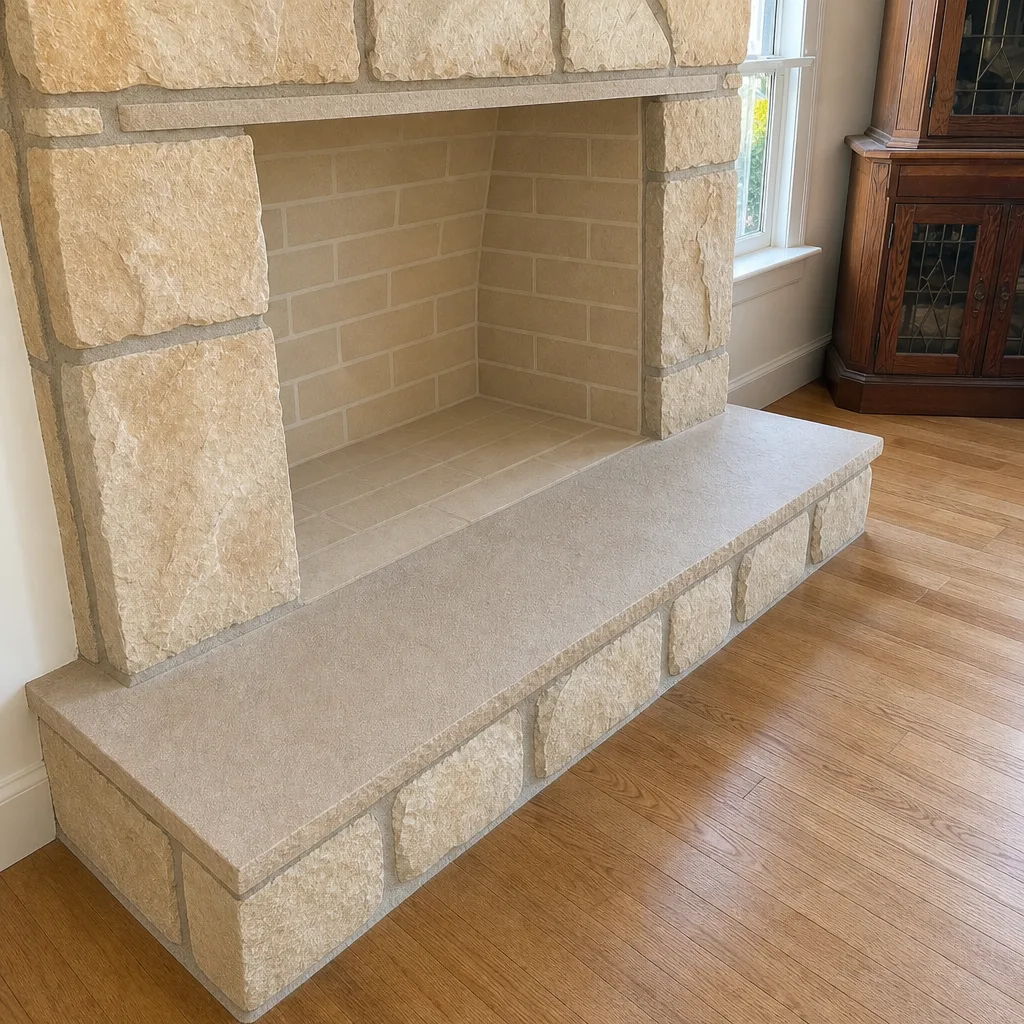
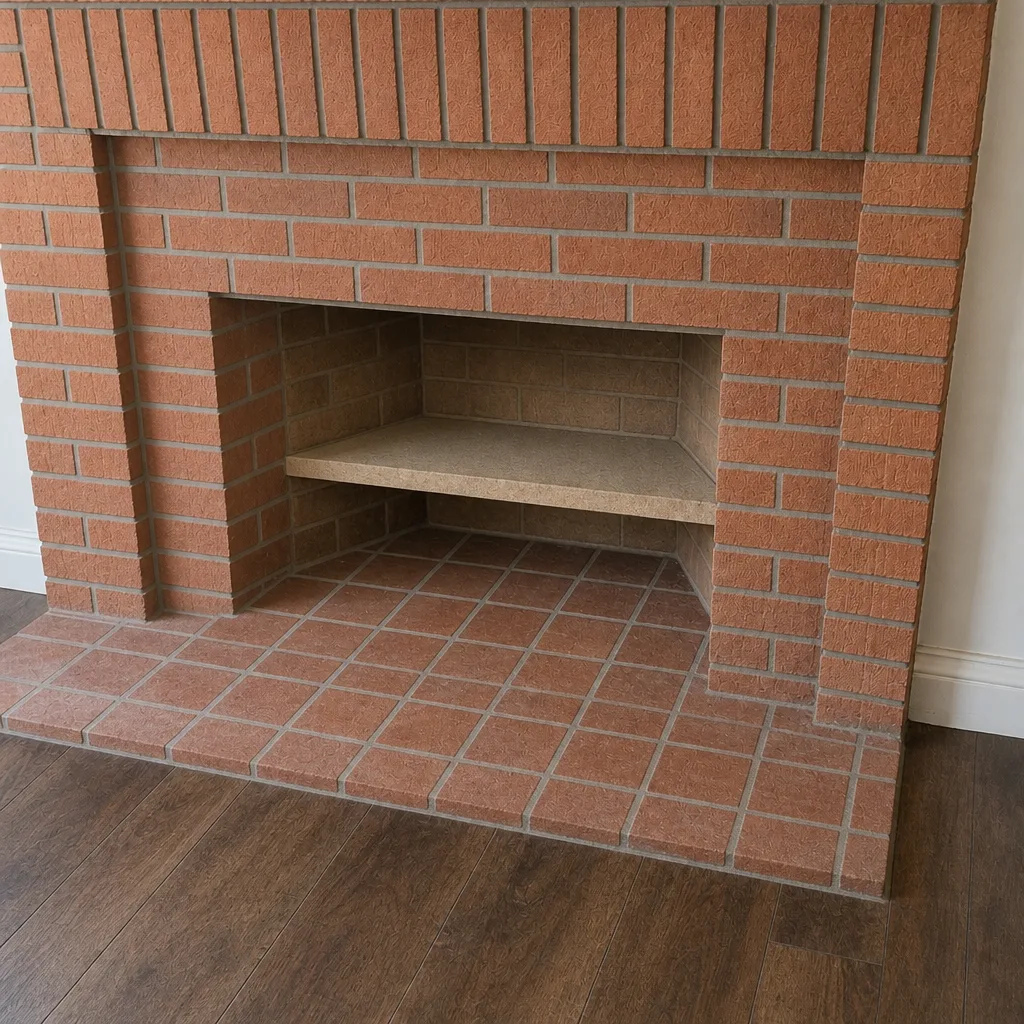
See the difference
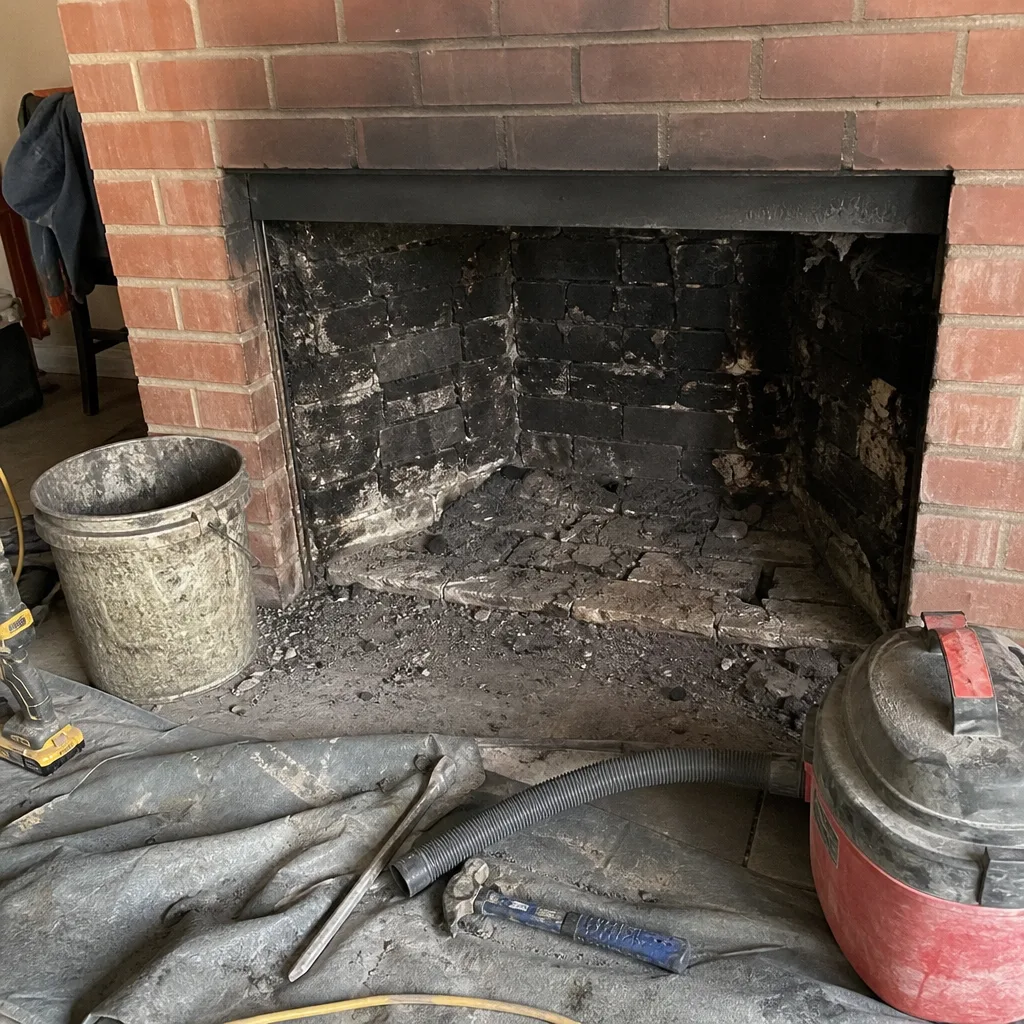 Before
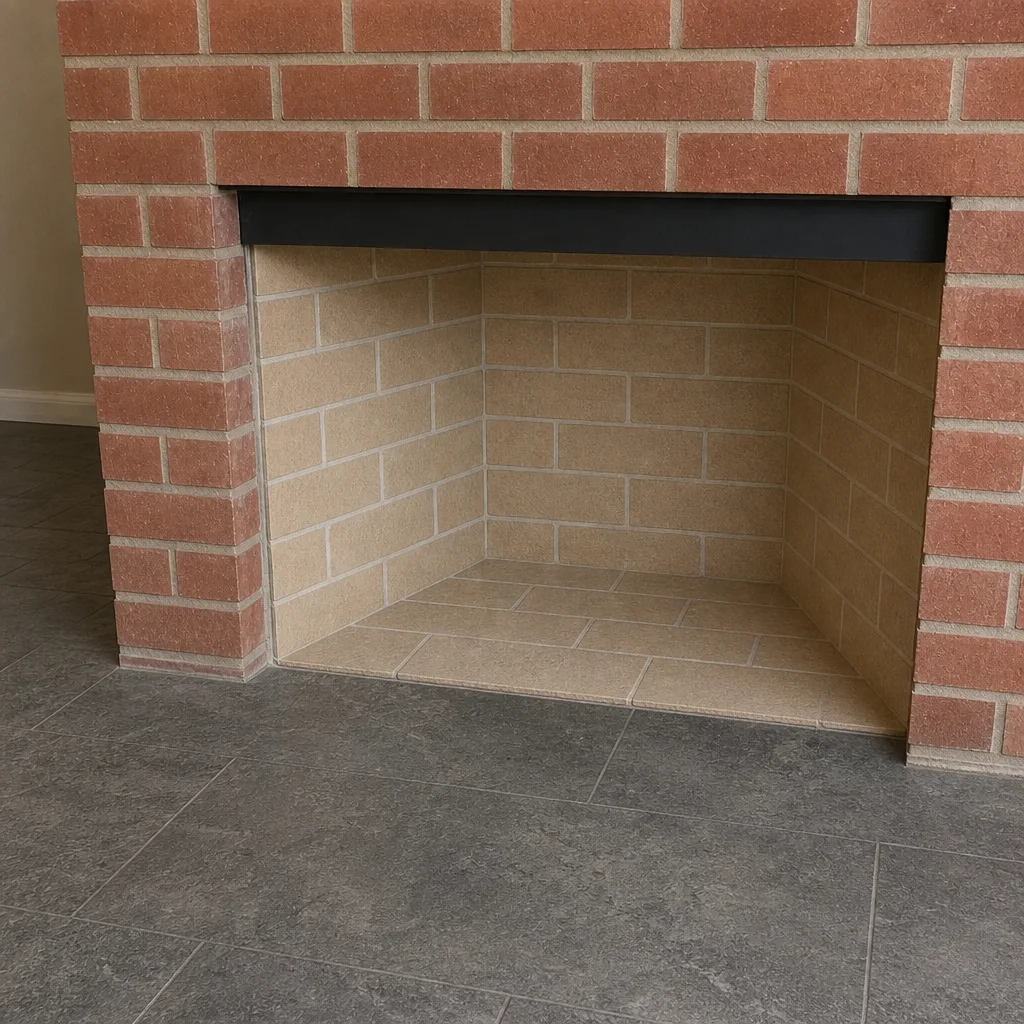 After
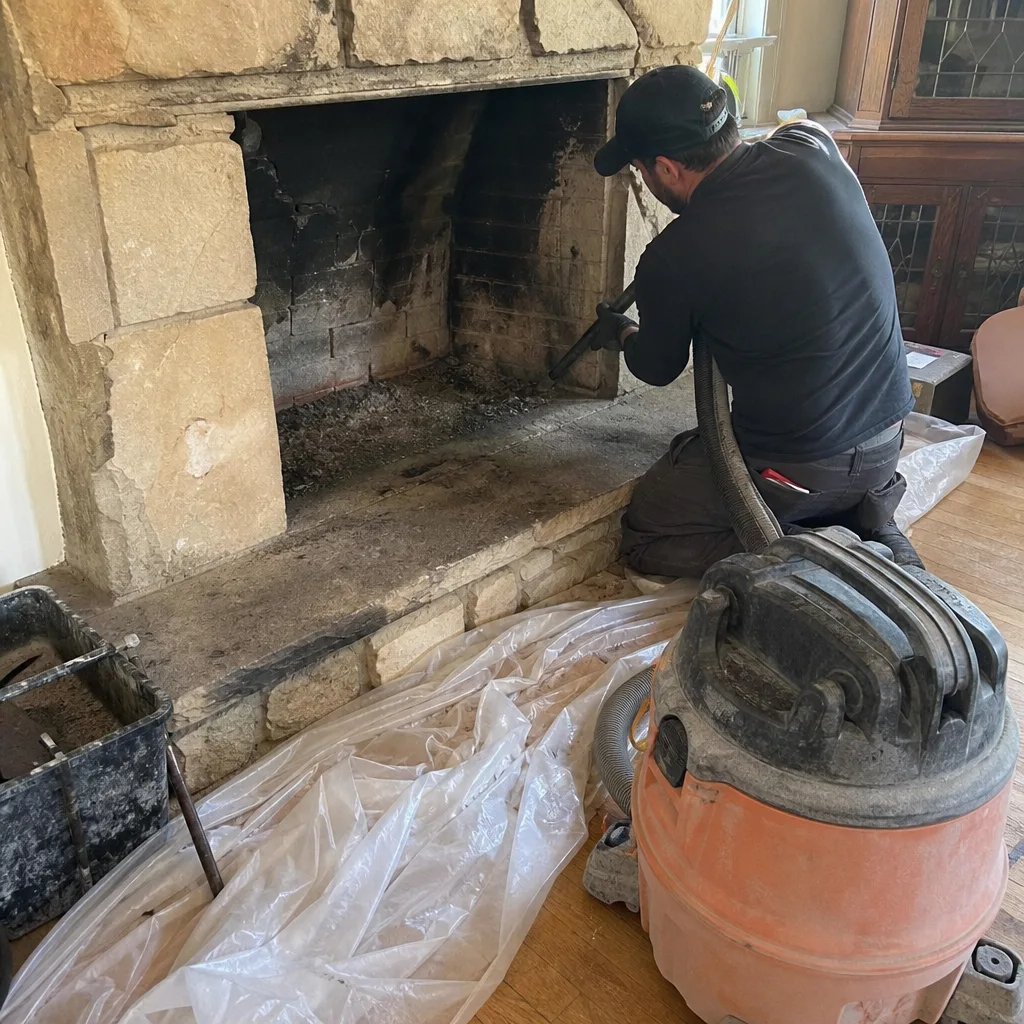 Before
 After
 Before
 After