
Last updated November 4, 2026
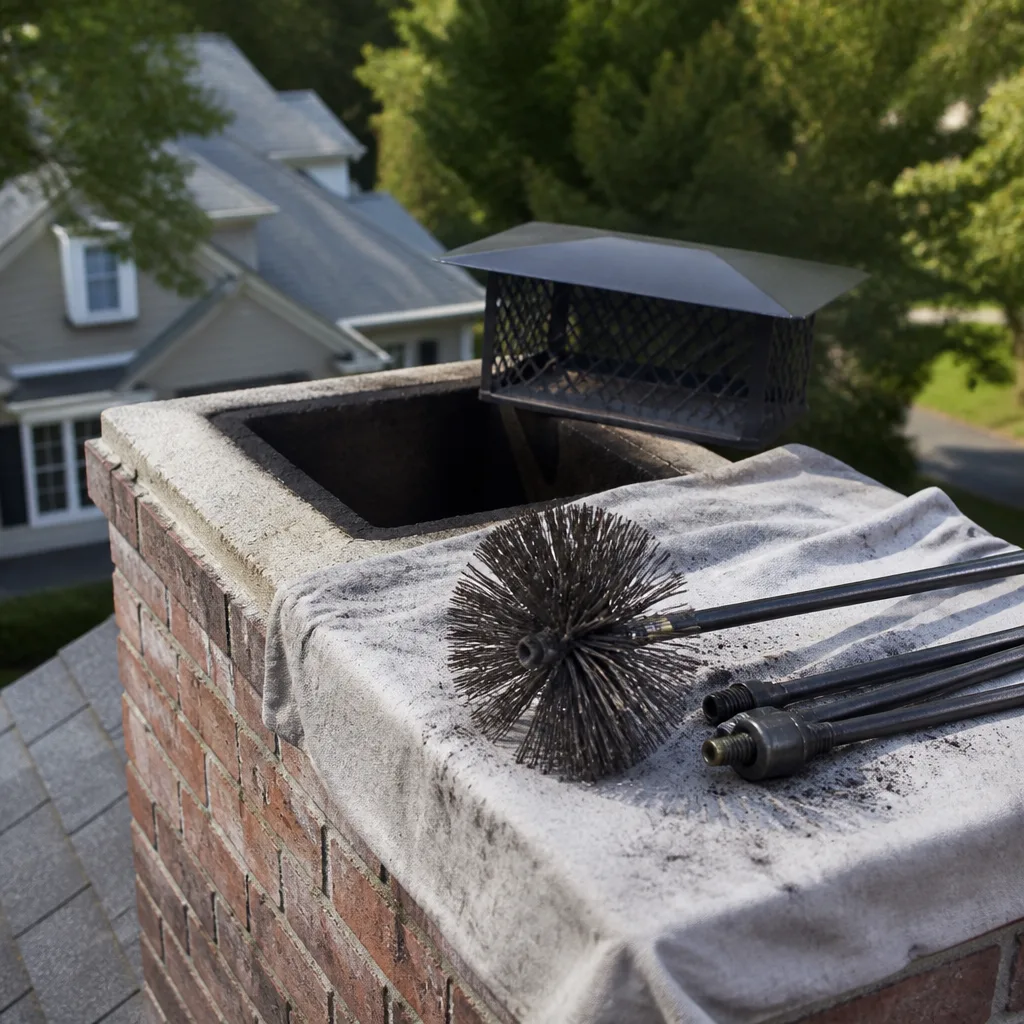 Sweep & inspection
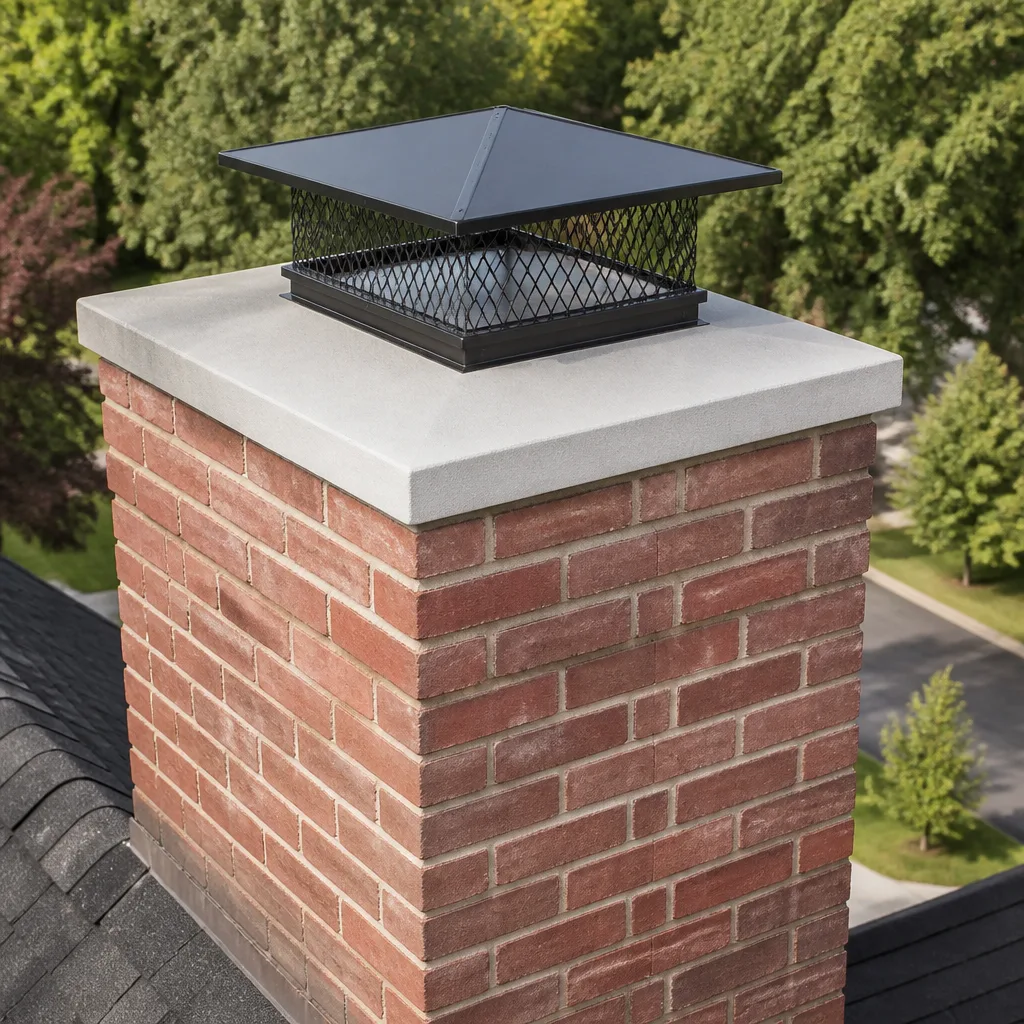 Caps & crowns
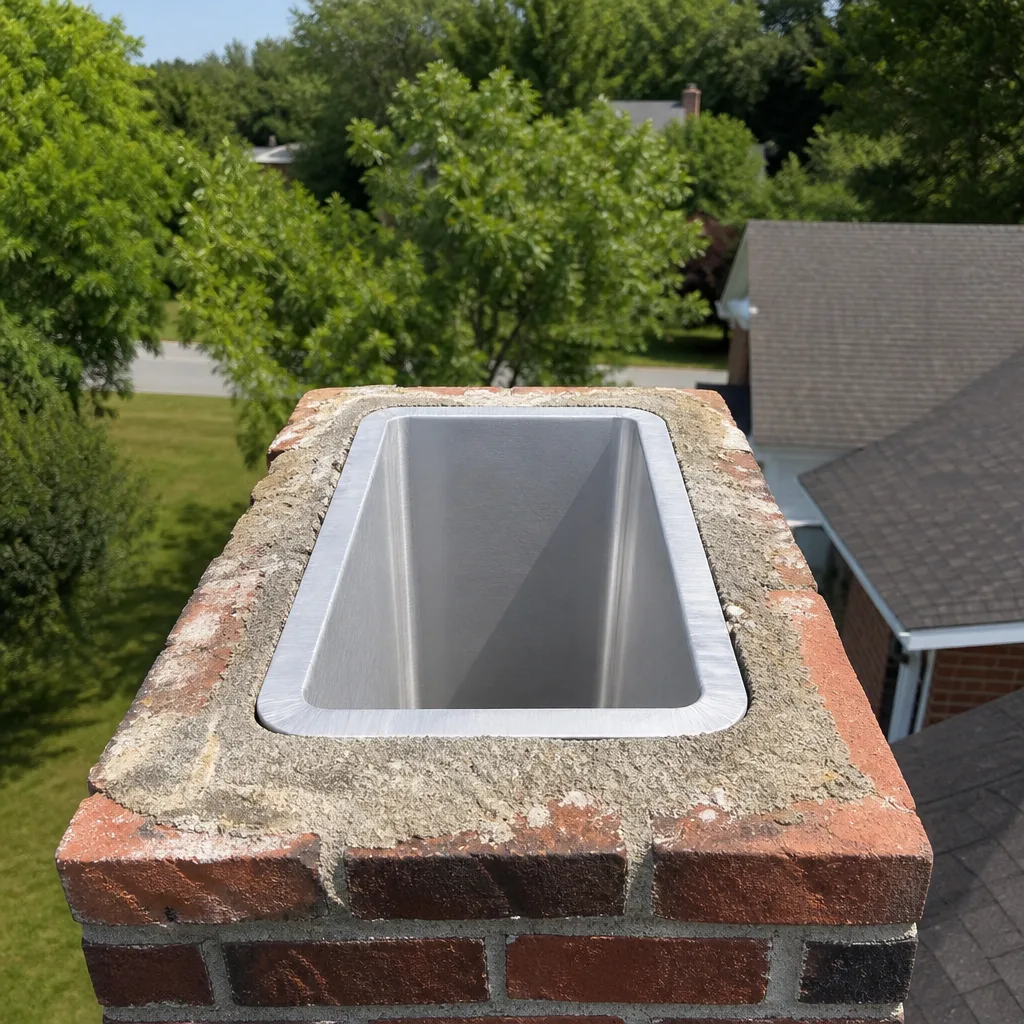 Flue relining
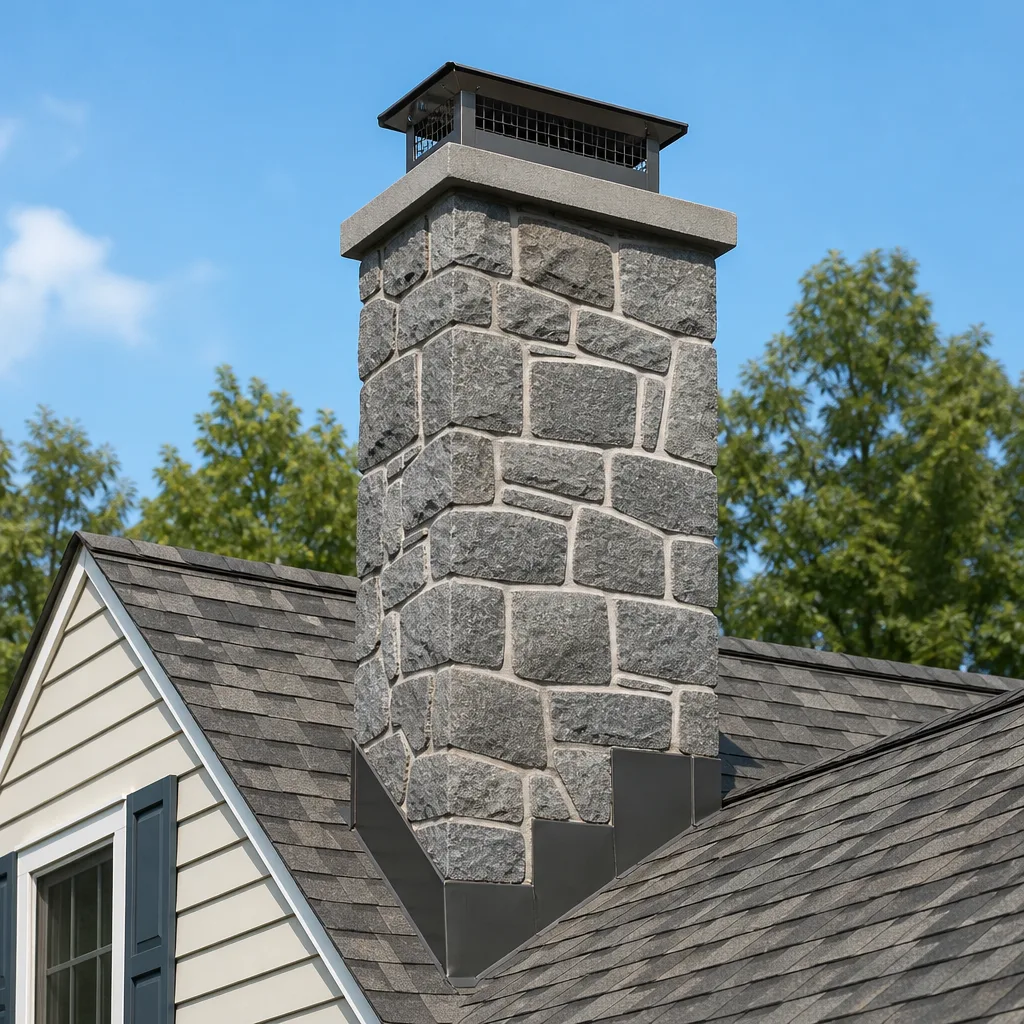 Masonry repair
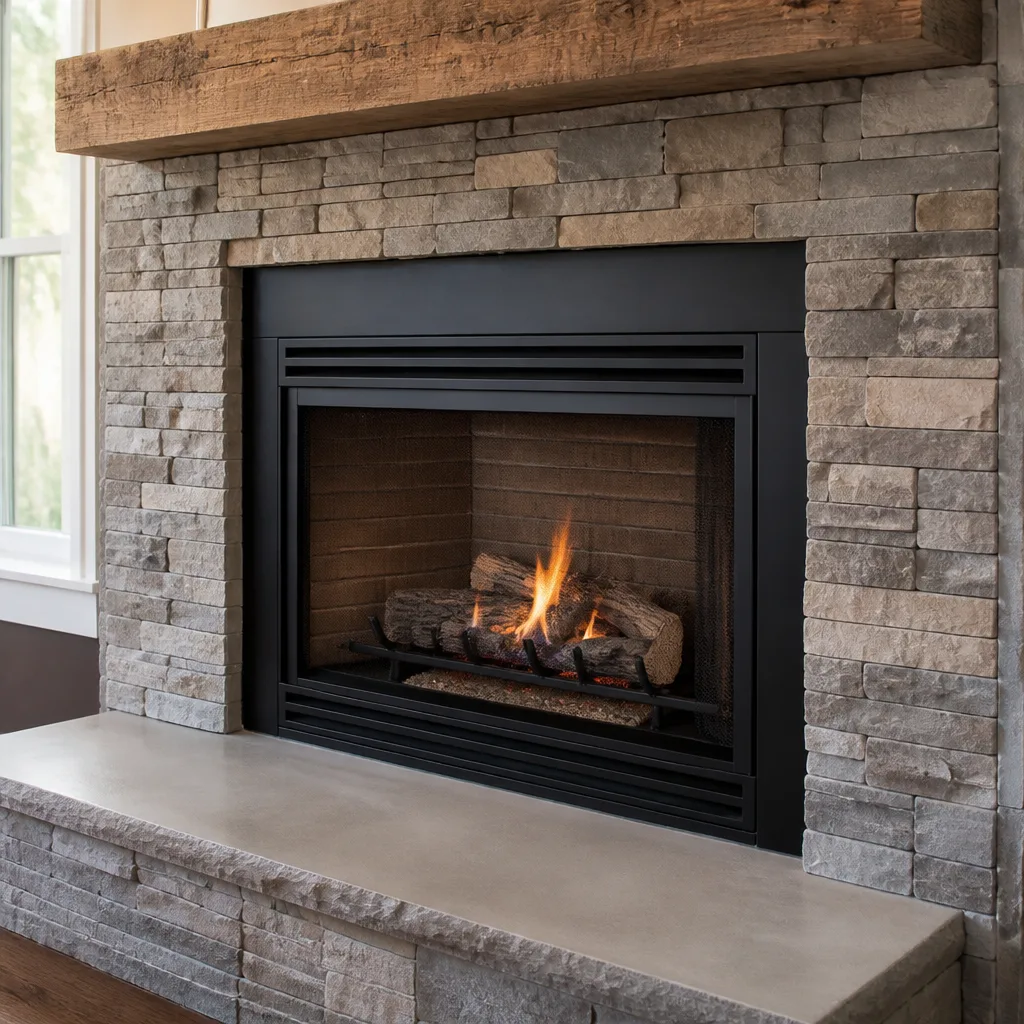 Gas fireplace service
Level 1 sweep and inspection to the NFPA 211 annual standard - flue, crown, cap, and flashing checked and photographed
Chimney sweep logs do not sweep chimneys. They loosen some creosote - which then falls where a brush and vacuum still have to collect it.
Chimney Cleaning Permits, Codes & Inspections in Arleta, CA: What You Need to Know
Most Arleta homeowners call a chimney sweep expecting a straightforward cleaning, and they assume the whole job sits outside the permit system. The cleaning itself usually does. Here’s what catches people off guard: a sweep finds a cracked flue liner or a rusted-out chase cover during that routine visit, recommends a repair, and suddenly the project may trigger Los Angeles County permitting requirements. The contractor who skips that step saves you a few hundred dollars today and hands you a title problem when you sell. This guide walks through exactly when California and LA County code kicks in, what CARB rules mean for your wood-burning fireplace, and why a Level 2 inspection report matters more than most homeowners realize.
Quick Answer
Routine chimney sweeping and visual inspections do not require a permit anywhere in Arleta or Los Angeles County. Permits enter the picture when the work changes the chimney’s structure or venting: liner replacement, chase cover installation, flue resurfacing, or altering the venting path. Any fireplace insert installation must also meet CARB Phase 2 emission standards regardless of whether a local permit is pulled. The smart move after any cleaning that uncovers damage is a Level 2 camera inspection, which creates documentation that satisfies both permit reviewers and insurance adjusters.
Styles & brands we work with
- Sweep & inspection
- Caps & crowns
- Flue relining
- Masonry repair
- Gas fireplace service
Table of Contents
- When Chimney Cleaning Needs No Permit
- What Actually Triggers a Permit in Arleta
- California Residential Code: The Sections That Matter
- CARB Wood-Burning Rules and Arleta Fireplaces
- Level 2 Inspections: What They Document and Why They Matter
- Unpermitted Repairs and Home Sales in Arleta
- Step-by-Step: Getting Permits Right After a Cleaning
- Common Mistakes to Avoid
When Chimney Cleaning Needs No Permit
Here is the part most homeowners get right: sweeping a chimney is maintenance, not construction. The chimney sweep removes soot, creosote, and debris from the flue using brushes and vacuum equipment. Nothing is altered, removed, or installed. The chimney remains exactly as it was, just cleaner. Los Angeles County treats this the same way it treats gutter cleaning or changing an HVAC filter. No permit, no inspection, no paperwork.
The same applies to a standard visual inspection. When we look down the flue or run a camera through it to document condition, we are not modifying anything. We are observing. That observation generates a report, not a permit obligation.
What does change the picture is the recommendation that follows. If the cleaning reveals cracked flue tiles, deteriorated mortar joints, or a liner that has separated from the chimney structure, the repair is no longer classified as maintenance. That is where Arleta homeowners need to understand the line between cleaning and construction.
For dryer vent cleaning, the story is the same. Dryer vent cleaning involves removing lint accumulation from an existing duct run. Unless the duct itself is being rerouted or replaced, no permit is triggered. It is maintenance on an existing system.
What Actually Triggers a Permit in Arleta
Los Angeles County building code requires permits for work that alters the structure, changes venting, or modifies a system’s operational characteristics. In chimney terms, that covers several specific jobs that frequently follow a cleaning.
The most common trigger is a liner replacement. When a camera inspection shows cracked or missing flue tiles, the standard fix involves installing a stainless steel liner system. Products like DuraFlex are UL-listed for this application and provide a continuous smooth-walled passage from the appliance to the termination. Because the liner changes how the chimney vents combustion gases, LA County code treats it as an alteration. Depending on the scope, this may require a mechanical permit or a building permit pulled through the Los Angeles Department of Building and Safety.
A second trigger is flue resurfacing. If the damage is less severe, a product like HeatShield can restore the flue interior to a safe, sealed condition. This changes the flue’s material surface and thermal behavior. It is a repair, not just maintenance, and code reviewers may want it documented.
Chase cover installation and crown repair occupy a gray area. A crown that is merely patched with a compatible sealant is often considered routine maintenance. Replacing a rusted chase cover on a prefabricated chimney typically does not require a permit either, since the chimney’s structural and venting characteristics remain unchanged. But if the crown repair involves rebuilding the masonry crown, a permit may be required.
The key distinction for Arleta homeowners: if the work affects how smoke, heat, and combustion gases move through and exit the chimney, assume code applies. If it only removes accumulated debris, it does not.
California Residential Code: The Sections That Matter
California adopts the International Residential Code with state-specific amendments, and the sections governing chimneys and fireplaces in Arleta are the same ones governing every residential property in the state. The relevant chapter covers chimneys and fireplaces, including masonry construction, factory-built units, and chimney liners. Understanding a few core provisions helps homeowners evaluate whether a proposed repair is being done correctly.
Liner requirements. The code requires that chimneys serving fireplaces or appliances be lined with an approved material. Clay tile, listed stainless steel, or other listed systems qualify. The code also requires that the liner be continuous and sized correctly for the appliance it serves. When an older Arleta home has a chimney with missing or severely cracked clay tiles, that chimney no longer meets current code. Repairing it is not optional from a code perspective; it is required before continued use.
Venting alterations. Any change to the flue configuration, such as installing a liner that changes the flue diameter, connecting a new appliance to an existing flue, or rerouting a dryer duct to a new termination point, is an alteration. Alterations require a permit and inspection because they change the system’s operating parameters.
Clearance to combustibles. The code specifies minimum distances between a chimney or vent and combustible framing. In older Arleta homes built before current standards, this is a recurring issue. Remodeling work sometimes moves framing closer to a chimney, and repair work must restore the required clearance. A competent inspection after a cleaning will document clearance issues that need correction.
Termination height. The chimney must extend a specified distance above the roofline and any nearby obstructions. Arleta’s mix of single-story ranch homes and newer two-story additions means termination height can become a code problem when an addition changes the roofline or when a homeowner installs a taller chimney cap that alters airflow. Any modification to termination requires review.
These provisions matter because they define the standard a permit reviewer applies. When a contractor says a repair is code-compliant, the homeowner should know what that means. The code provisions apply uniformly across Arleta, from the neighborhoods near Canterbury Avenue up to the homes near Branford Park.
CARB Wood-Burning Rules and Arleta Fireplaces
California Air Resources Board regulations create a separate compliance layer from building permits. CARB rules restrict what can be installed, not how it is installed. That distinction confuses many homeowners, so let us be precise.
CARB requires that any new wood-burning fireplace, insert, or stove sold and installed in California be Phase 2 compliant. Phase 2 appliances meet strict particulate emission limits and are labeled as such. If an Arleta homeowner installs a used wood stove that is not Phase 2 certified, that installation violates state air quality regulations regardless of whether a local permit was ever pulled. The local permit process and the CARB compliance requirement operate independently.
No Burn Days are a separate enforcement tool. On days when the South Coast Air Quality Management District declares a No Burn Day due to fine particulate pollution, wood burning in residential fireplaces is prohibited or restricted in much of the region, though exemptions sometimes apply to homes that rely on wood as a primary heat source or that have no other heating option. These restrictions are based on daily air quality forecasts, not on the condition or type of fireplace. They apply to Arleta residents the same way they apply to the rest of the San Fernando Valley.
For homeowners evaluating an insert installation, the practical takeaway is this: ensure the appliance carries a Phase 2 label before buying. A contractor who cannot tell you whether the unit is Phase 2 compliant is not someone you want installing anything in your chimney. For existing fireplaces that predate the Phase 2 rules, no retrofit is required simply because the rules exist. The requirement applies at the point of sale and installation of new units.
What a Level 2 inspection contributes to CARB compliance is documentation. It records the appliance type, condition, and any modifications made, which supports the paper trail should a homeowner need to demonstrate compliance or file an insurance claim.
Level 2 Inspections: What They Document and Why They Matter
The National Fire Protection Association’s NFPA 211 standard defines three levels of chimney inspection. A Level 1 inspection is a visual check of the readily accessible portions of the chimney. It is the standard accompaniment to a routine cleaning and is part of what a sweep does on every visit.
A Level 2 inspection goes further. It involves a camera scan of the entire flue interior, documenting every inch from the firebox or appliance connection to the termination cap. The standard specifies that a Level 2 inspection is required when any change is made to the system, such as installing a new appliance or liner, and when a property is being sold or transferred. This is why Arleta real estate transactions routinely involve chimney inspections even when no work is planned.
The Level 2 report provides something a visual check cannot: photographic evidence. When a sweep finds a cracked liner and recommends a DuraFlex reline or HeatShield resurfacing, the camera images show the homeowner exactly what the problem looks like. The same images go into a permit application packet, giving the plan reviewer a clear picture of the existing condition and the proposed repair. Insurance adjusters also respond differently to a claim supported by photographic documentation than to one based on a contractor’s verbal description.
In our experience, a Level 2 inspection after a cleaning is the single best tool an Arleta homeowner has for avoiding unnecessary work. Nothing gets recommended without camera evidence the homeowner can view. If the flue is clean and sound, the images prove it. If it is cracked, the images justify the repair.
Unpermitted Repairs and Home Sales in Arleta
The most expensive mistake in chimney work is not a bad repair. It is an unpermitted one that surfaces during escrow. California home sale disclosure forms ask whether any work was done without required permits. Sellers who answer truthfully must disclose. Sellers who do not answer truthfully expose themselves to liability after the sale.
Here is the sequence we have seen play out in the San Fernando Valley. A homeowner has a liner replaced years ago, the contractor says no permit is needed to save time and money, and life moves on. The home goes on the market. A buyer’s inspector flags the liner as newer than the home’s original construction. The escrow officer or buyer’s agent asks for the permit record. There is none. The transaction stalls while the seller scrambles to get the work retroactively permitted, which may require opening walls, paying fees, and delaying the sale by weeks.
For Arleta homes, many of which were built in the 1950s and 1960s, this scenario is especially relevant. Original chimneys from that era often need liner work by now. Homes that had the work done properly with permits sail through inspection. Homes that had the work done quietly carry a disclosure problem.
The takeaway: the permit is not just bureaucratic overhead. It is the document that protects the homeowner’s equity when the property changes hands. A contractor who dismisses the permit requirement is not doing the homeowner a favor.
Step-by-Step: Getting Permits Right After a Cleaning
When a cleaning uncovers damage that needs repair, here is the sequence that keeps an Arleta homeowner on the right side of code.
- Get the camera inspection done. A Level 2 inspection with photo documentation is the foundation. Without it, the homeowner is making decisions based on someone’s word. With it, the problem is visible and verifiable.
- Determine whether the repair is structural or cosmetic. Crown patching and chase cover replacement are usually cosmetic in code terms. Liner replacement and flue resurfacing are structural and venting-related. This is the line that determines whether a permit is needed.
- Pull the permit if required. In Arleta, this means going through the Los Angeles Department of Building and Safety. The application typically includes a scope of work, the inspection report, and product documentation for the materials being installed, such as the UL listing for a DuraFlex liner.
- Complete the work. The contractor performs the repair using the materials specified in the permit application. Substituting a different product without updating the permit creates a compliance mismatch.
- Schedule the inspection. The building department reviews the completed work and signs off. That sign-off is the document a future buyer’s agent will ask to see.
- Keep the paperwork. Permit records, inspection reports, and product documentation go in a file. When the home is sold, the seller hands that file to the buyer. It is worth more than any home warranty.
Each of these steps serves the same purpose: creating a documented chain from the problem found during cleaning to the code-compliant repair. Arleta homeowners who follow the sequence end up with a safer chimney and a cleaner title history.
Common Mistakes to Avoid
- Assuming a cleaning covers inspection findings. A sweep removes creosote. It documents what the sweep sees. It does not replace a Level 2 camera inspection when damage is suspected. Skipping the camera scan after a cleaning that finds cracked tiles leaves the homeowner blind to the true condition of the flue.
- Accepting a verbal “no permit needed” from a contractor. The contractor does not pay the title claim or the post-sale disclosure liability. The homeowner does. If the work changes venting or liner condition, confirm in writing whether a permit is required and who is responsible for pulling it.
- Installing an old wood stove found on a classifieds listing. Non-Phase 2 appliances are illegal to install in California. The bargain disappears when the unit cannot be legally connected.
- Ignoring the chimney during a home purchase. Arleta buyers sometimes waive chimney inspections to strengthen an offer. Then they inherit a cracked liner, an unpermitted repair, and a five-figure correction. The chimney inspection is one of the cheapest protections in the transaction.
- Using a handyman for liner work. Liner installation involves venting, clearance to combustibles, and product-specific installation requirements. A Copperfield or Gelco component installed incorrectly is worse than the original problem. Use a specialist who installs these systems routinely.
- Burning on No Burn Days because the fireplace “looks fine.” The restriction is not about the condition of the fireplace. It is about regional air quality. Burning on a restricted day can draw fines, and ignorance of the forecast is not a defense. Check the SCAQMD daily notification before lighting a fire in Arleta.
See the difference
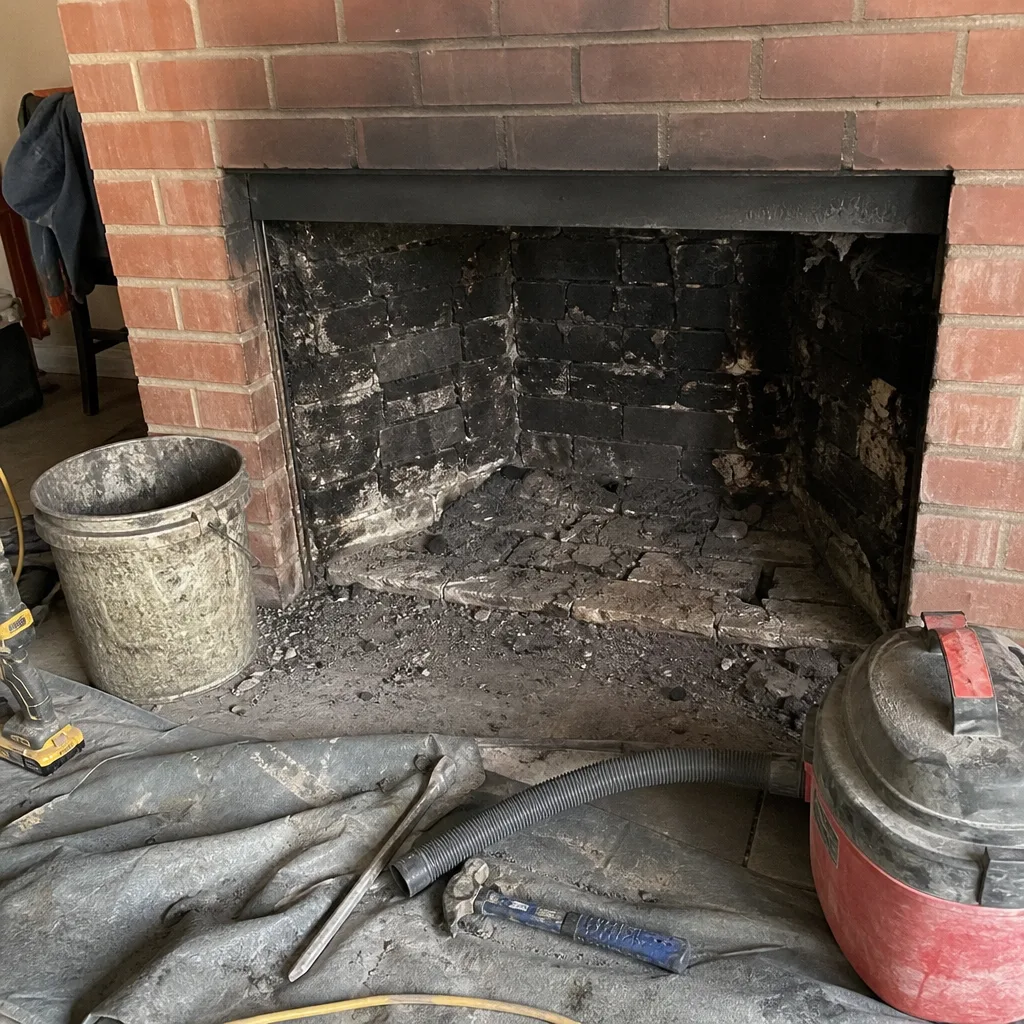 Before
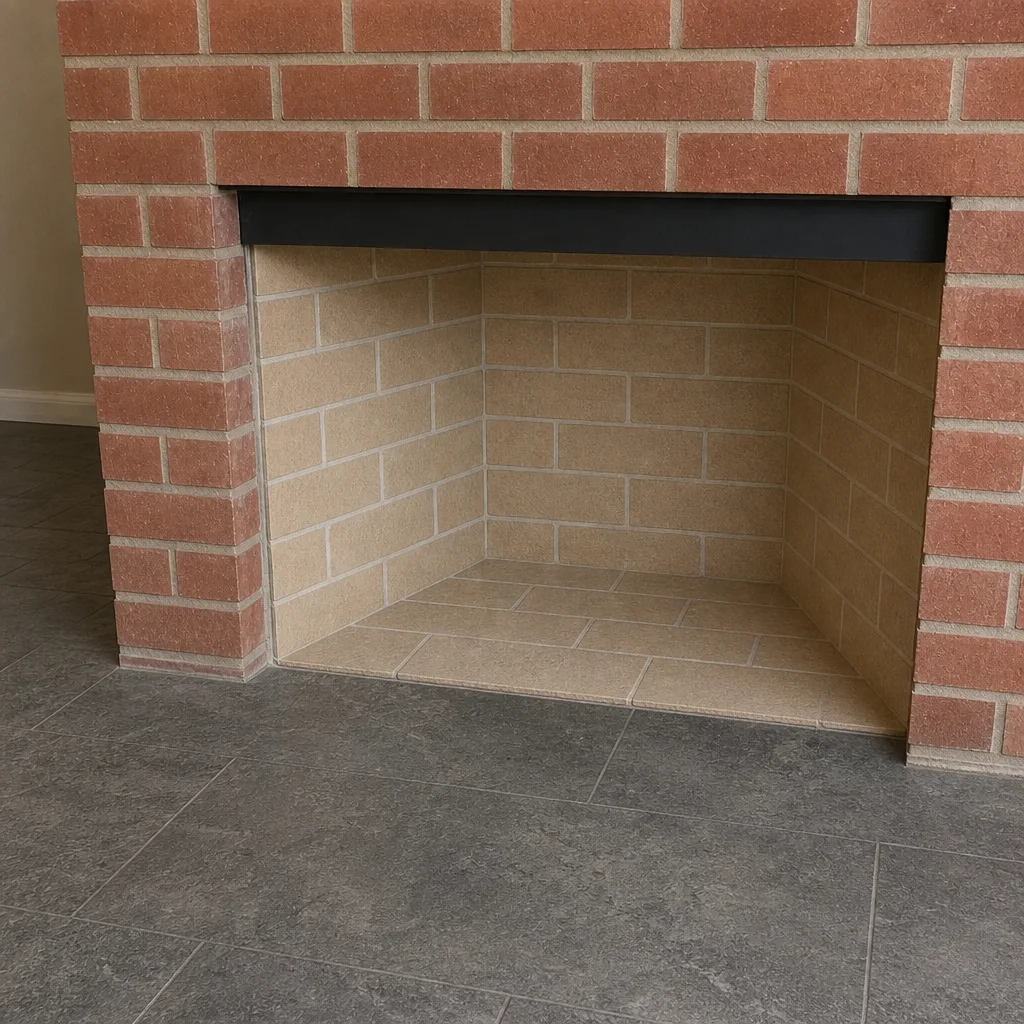 After
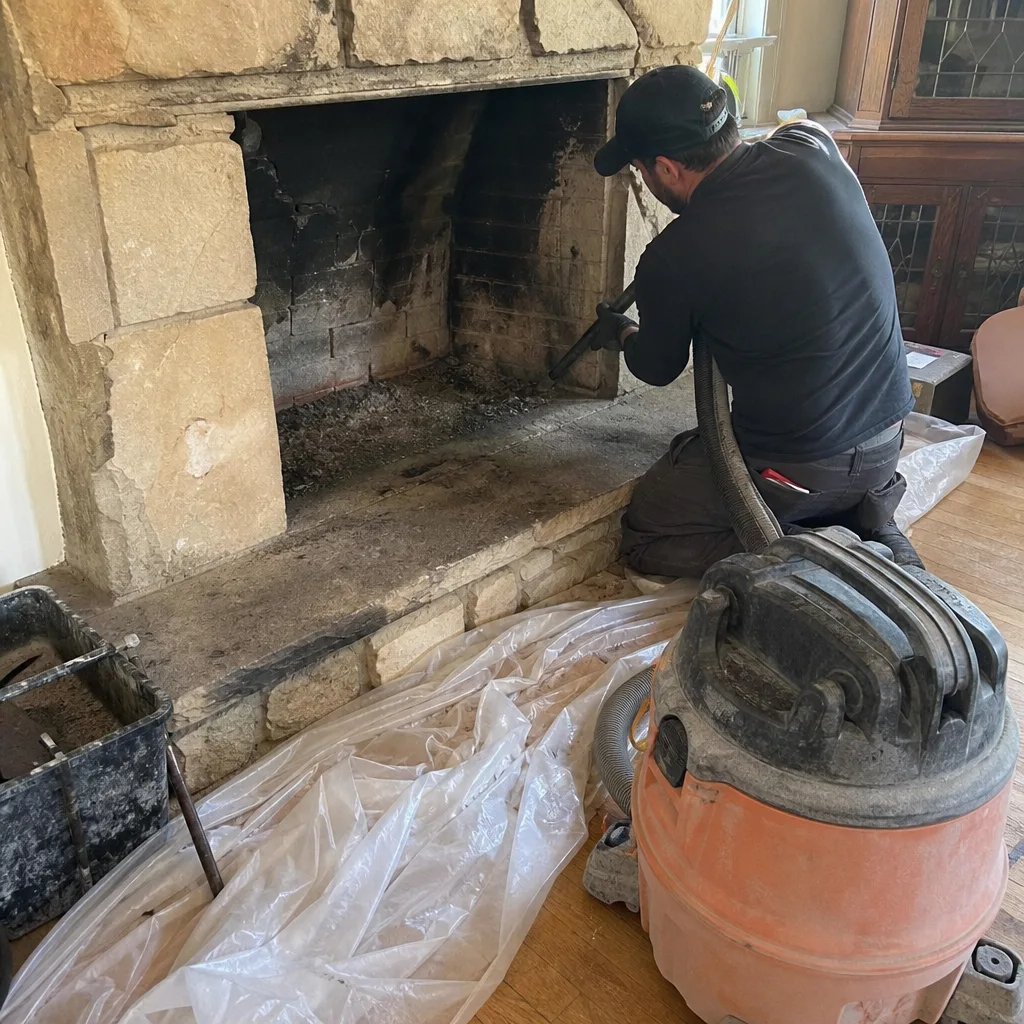 Before
 After
 Before
 After
Frequently Asked Questions
A standard chimney sweep and Level 1 inspection in Arleta typically runs in the range of $180 to $300 depending on chimney height, accessibility, and condition. A Level 2 camera inspection adds to that cost and is worth scheduling whenever a cleaning reveals possible damage or before buying or selling a home. The written estimate sets the final price. Call (833) 958-9616 for a free estimate on a chimney sweep in Arleta.
Yes, in most cases a liner replacement changes the flue’s venting characteristics and requires a permit through the Los Angeles Department of Building and Safety. The permit application typically includes the Level 2 inspection report and the UL listing for the liner system being installed. A contractor who installs a DuraFlex liner without pulling a permit creates a future disclosure problem for the homeowner. Call (833) 958-9616 with questions about your specific chimney.
Existing wood-burning fireplaces remain legal to use in Arleta, subject to daily No Burn Day restrictions imposed by the South Coast Air Quality Management District when fine particulate levels rise. New wood-burning appliances installed in the area must be CARB Phase 2 compliant. The legality does not depend on the chimney’s condition, but the safety of use absolutely does, and a cracked liner makes any fireplace unsafe regardless of CARB status.
The National Fire Protection Association recommends sweeping when creosote accumulation reaches one-eighth inch, which for most wood-burning fireplaces in Arleta means once per year of regular seasonal use. Homes that burn more frequently or burn unseasoned wood may need sweeping more often. Mild winters do not reduce the need; they just compress the burning season and concentrate the creosote accumulation into a shorter window. Call (833) 958-9616 for a free estimate and a quote on your chimney’s specific condition.
You can sell it, but the unpermitted work must be disclosed on the seller’s disclosure forms, and many buyers will demand that the permit be retroactively secured or the price reduced. Retroactive permitting can be more expensive and time-consuming than getting the permit correctly the first time. The cleaner path is to have the repair permitted when it is done and keep the paperwork for the sale file.
Routine dryer vent cleaning does not require a permit, since it removes lint from an existing duct without altering the system. If the dryer duct needs to be replaced or rerouted to a new termination point, that changes the venting configuration and a permit may apply. Most Arleta homeowners can schedule a dryer vent cleaning without any code involvement at all, which is why it is worth doing annually even if the fireplace is rarely used.
When to Call a Professional
Call a chimney specialist when a cleaning shows cracks, gaps, or missing flue tiles; when smoke backs up into the room; when you smell musty odors from the fireplace after rain; when you see rust or water staining on the ceiling near the chimney; or when you are buying or selling a home and need a documented inspection. These are not problems that resolve themselves, and the cost of delay is usually higher than the cost of correction. Chimney Sweep Arleta offers free estimates in Arleta, with repair capability that goes beyond cleaning. Call (833) 958-9616. We answer 24/7. Fast dispatch from 7am to 7pm, Sunday through Friday.
The Bottom Line
Chimney cleaning in Arleta does not require a permit, but the repairs a cleaning often uncovers frequently do. The distinction between maintenance and construction is the line between a simple service visit and a code-regulated project. Homeowners who understand that line, who insist on Level 2 camera documentation before agreeing to any repair, and who keep their permit paperwork organized avoid the most common and most expensive chimney mistakes. The professionals who matter in this equation are the ones who name the materials they use and stand behind the permit process, not the ones who promise it all can be skipped.
Written by the team at Chimney Sweep Arleta, serving Arleta since 2017.