
Last updated November 4, 2026
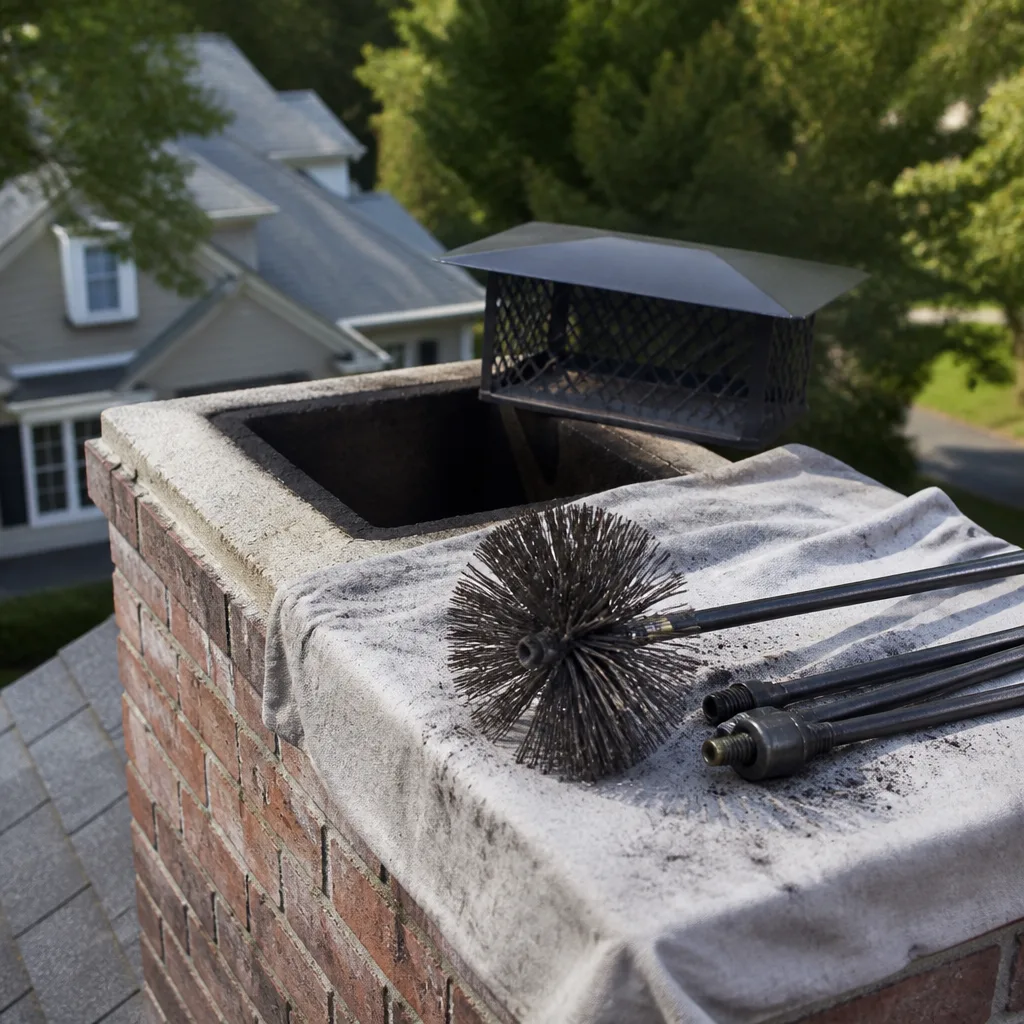 Sweep & inspection
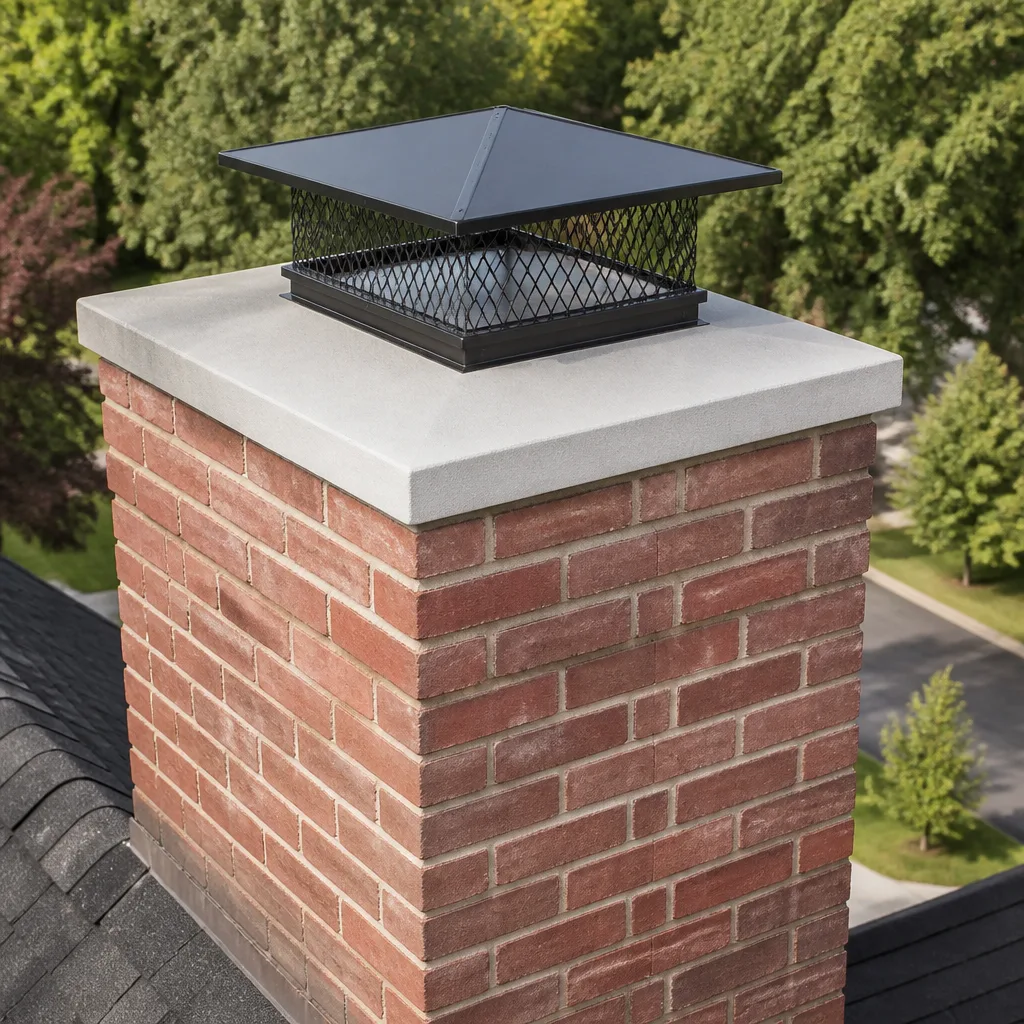 Caps & crowns
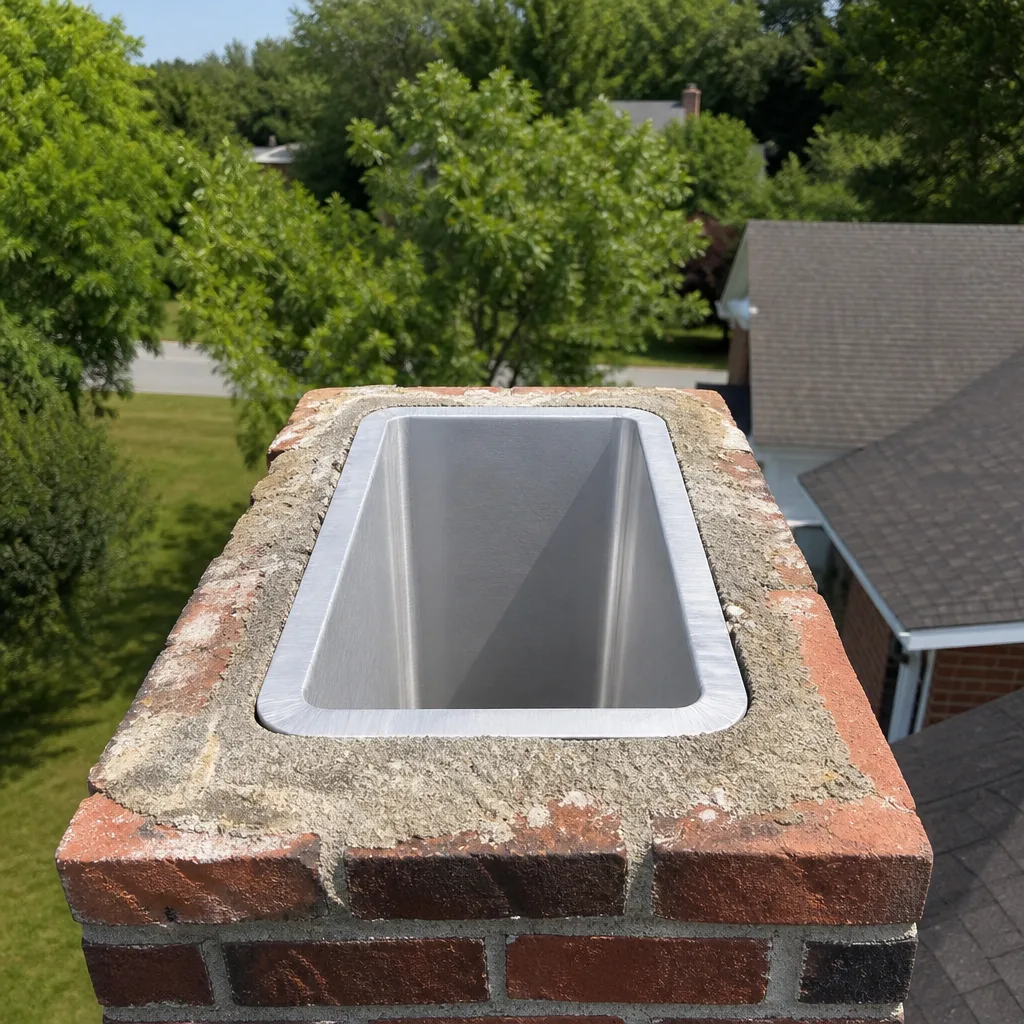 Flue relining
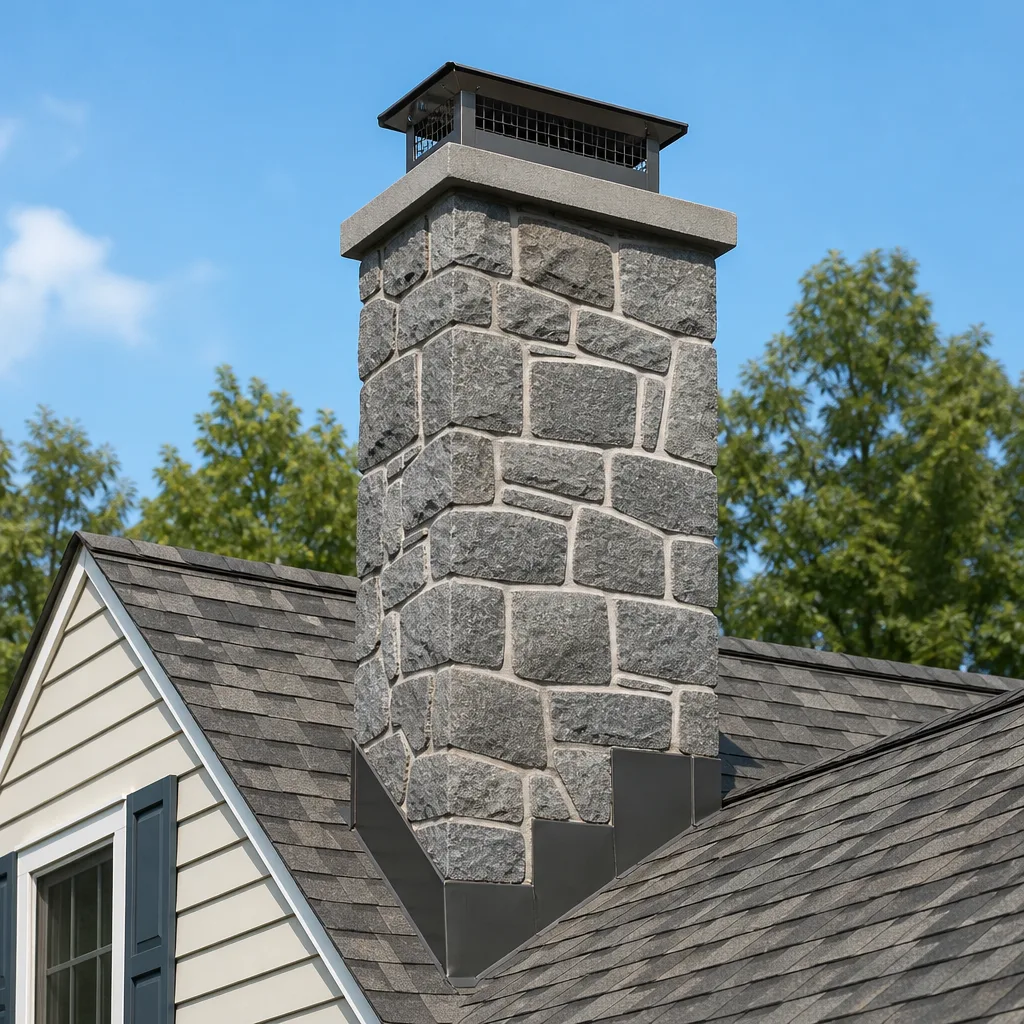 Masonry repair
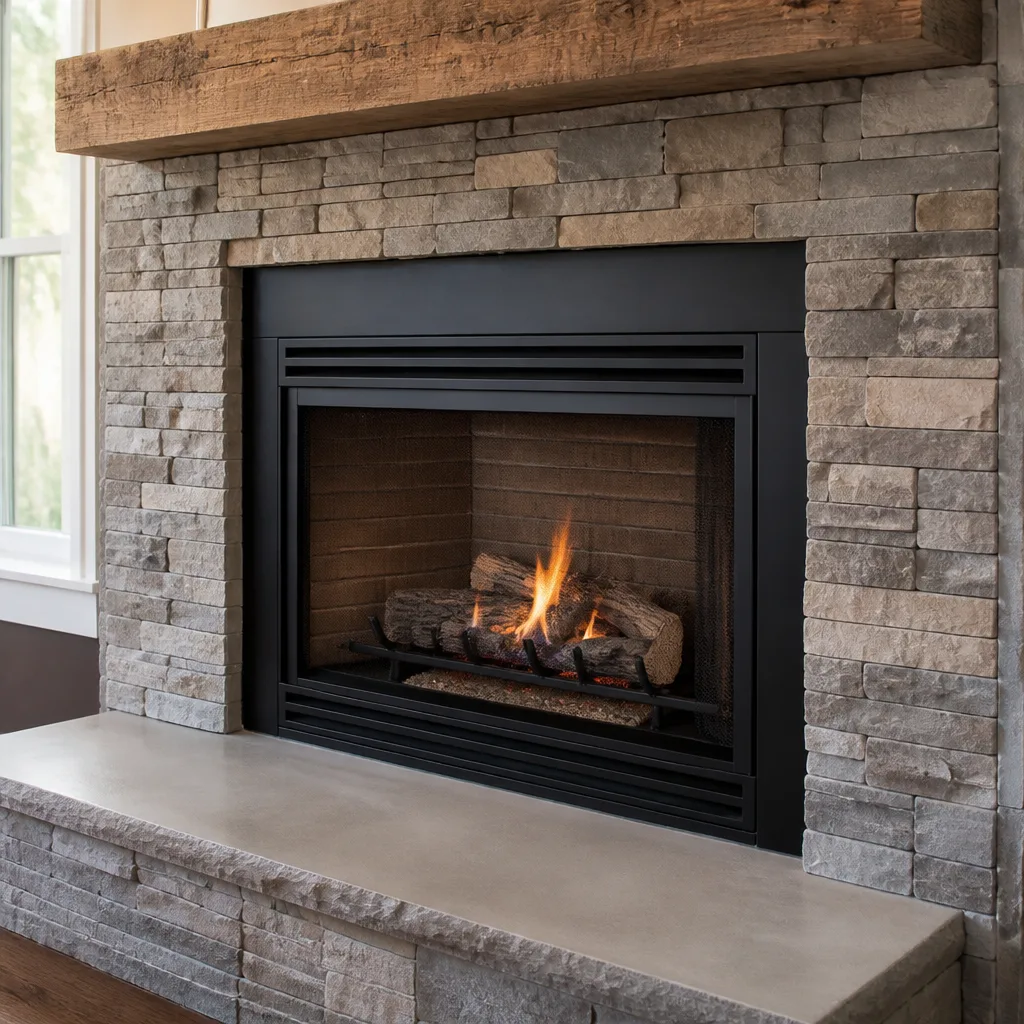 Gas fireplace service
Level 1 sweep and inspection to the NFPA 211 annual standard - flue, crown, cap, and flashing checked and photographed
Chimney sweep logs do not sweep chimneys. They loosen some creosote - which then falls where a brush and vacuum still have to collect it.
Chimney Sweep Troubleshooting in Arleta: Common Problems and How to Fix Them
If your fireplace smokes into the room every time you light it, the instinct is to call a chimney sweep, but a dirty flue is only one of six possible causes, and cleaning it won’t fix five of them. We’ve spent 9 years troubleshooting chimneys across Arleta, and the pattern holds: most homeowners misdiagnose the symptom, pay for the wrong fix, and end up with the same problem on the next cold evening. This guide maps the symptoms you’re seeing to the mechanical failure behind them, so you know what to check, what to ask for, and when a cleaning will actually solve it. By the time you finish, you’ll know more about your chimney than most contractors expect you to.
Quick Answer
Chimney smoke coming into your Arleta home is usually caused by one of six things: a cold or blocked flue, negative air pressure inside the house, a closed or failed damper, a flue that’s too short or too large, a cracked flue liner, or missing chimney cap components. Most of these can be identified in ten minutes with a flashlight, a mirror, and a few simple tests before you spend money on a service call. If the issue is a physical blockage or damaged liner, call (833) 958-9616 for a free estimate.
Styles & brands we work with
- Sweep & inspection
- Caps & crowns
- Flue relining
- Masonry repair
- Gas fireplace service
Table of Contents
- Backdraft vs. Blockage vs. Negative Air Pressure: How to Tell Which One You Have
- Why a “Clean” Chimney Can Still Have a Cracked Flue Liner
- Damper Failure Symptoms: Rattling, Stuck, and Corroded
- How Arleta’s Wildfire Ash and Debris Seasons Damage Caps and Crowns
- The Flashlight and Mirror Test: Ruling Out Physical Blockage Yourself
- Chimney Odors: Where They Come From and What Actually Stops Them
- Troubleshooting Gas Insert Venting Problems
- Your Dryer Vent Is a Fire Hazard Too
Backdraft vs. Blockage vs. Negative Air Pressure: How to Tell Which One You Have
Before anyone shows up at your door, you can narrow down the cause of smoke entering your home with three simple observations. The distinction matters because a sweep will fix one of these, a repair technician will fix two others, and the last one is a house problem, not a chimney problem. Arleta homes built in the 1950s and 60s have tighter envelope retrofits than their original design assumed, and that changes how air moves through the house.
Backdraft happens when the chimney pulls air down instead of up. You’ll notice smoke spilling into the room within the first few minutes of lighting a fire, not gradually over an hour. Hold a lit match or lighter near the fireplace opening without lighting the fire. If the flame leans toward you instead of toward the chimney, you have a backdraft. Common causes include an uninsulated flue that’s cold, a house that’s starved for combustion air, or a flue that terminates too low relative to the roofline.
Blockage is mechanical. Something is physically in the way: a bird’s nest, a raccoon’s den, collapsed mortar, a dislodged flue tile, or several seasons of creosote that narrowed the passage. The tell is a fire that starts fine, then smokes more as it burns hotter. A blocked flue can’t move the volume of smoke a hot fire produces. You may also hear a change in the draw sound or see smoke pushing out from the damper seam rather than the main opening.
Negative air pressure is a house problem that looks like a chimney problem. In Arleta’s valley climate, we don’t deal with the extreme indoor-outdoor temperature swings that make stack effect worse in cold climates, but we do deal with range hoods, bath fans, and tightly sealed windows. When you run an exhaust fan anywhere in the house, it pulls air from wherever it can get it, and the chimney is often the easiest path. If smoke only enters when the kitchen vent is running or when a window near the fireplace is closed, you’re looking at pressure, not a blockage.
Here’s the quick diagnostic order:
- Light a match at the fireplace opening. If the flame leans toward you, start looking at flue temperature or house pressure.
- Open the nearest window two inches and try again. If the draw improves, negative pressure is involved.
- Close the window, remove the damper plate if you can, and look up with a flashlight. If you can’t see daylight or a clear passage, blockage is likely.
- If the fire smokes worse as it gets hotter, the flue is undersized for the firebox or partially blocked.
Most of the chimneys we inspect in Arleta that “won’t draw” have a combination of two issues, usually a dirty flue plus an undersized or improperly positioned termination. A sweep that only cleans the flue leaves the second problem untouched, and the homeowner thinks the cleaning didn’t work.
Why a “Clean” Chimney Can Still Have a Cracked Flue Liner
A chimney can pass a visual cleaning inspection and still be unsafe. The flue liner, usually terra cotta tiles in older Arleta homes, runs the interior length of the chimney and contains heat, sparks, and combustion gases. When those tiles crack from years of heating cycles, the chimney still looks fine from the outside. Inside, the cracks allow heat and carbon monoxide to reach combustible framing, and the gaps trap creosote where a brush can’t reach.
This is the problem that separates sweeping from repair. We can clean the flue perfectly and hand you a spotless inspection report, but the cracks remain. In our experience with Arleta’s housing stock, most chimneys built before 1980 that have seen regular wood fires have at least minor flue tile deterioration. The mild winters here mean fewer total fire hours per year than colder climates, which slows the damage but doesn’t stop it.
HeatShield resurfacing is the repair approach we use for this. It’s a ceramic sealant applied inside the flue as a continuous coating, filling cracks and restoring a smooth, insulated interior without tearing out the existing structure. The product is specifically engineered for flue repair and is one of the professional-grade materials we stock alongside Gelco and Olympia Chimney components. A sweep alone cannot fix a cracked liner, and no amount of brushing will close a gap. If the flue is beyond resurfacing, a DuraFlex stainless steel liner is the next step, but for moderate cracking, HeatShield is the right tool.
Symptoms of a cracked liner include:
- Persistent chimney odor in humid or rainy weather.
- White staining or efflorescence on the exterior brick face.
- Pieces of terra cotta tile found at the bottom of the fireplace or in the cleanout.
- A flue that fills the room with smoke even when it’s clean.
- Carbon monoxide detector alerts when the fireplace is in use.
Carbon monoxide is the serious one. A cracked liner in an otherwise well-maintained chimney can vent combustion gases into wall cavities and living spaces. If your CO detector has triggered during or after fires and you’ve ruled out other appliances, the flue liner is the first place to look.
Damper Failure Symptoms: Rattling, Stuck, and Corroded
The damper is the simplest moving part in your chimney and the one that causes the most persistent, low-grade problems. It’s a metal plate inside the throat of the fireplace that opens to allow smoke out and closes to keep outside air and debris from coming down when the fireplace isn’t in use. Most original dampers in Arleta homes are cast iron or sheet steel, and after years of heat exposure and occasional rain, they warp, corrode, and seize.
Rattling on windy days is the first sign. The damper plate is loose on its pivot, and air moving across the chimney top creates enough pressure change to make it flutter. It’s annoying, but it’s also a sign the damper seal is failing, which means you’re losing conditioned air through the chimney whenever the house is heated or cooled.
Stuck dampers come in two forms: stuck open or stuck closed. A damper stuck closed means you can’t light a fire safely, and in Arleta’s mild winters, many homeowners only discover this on the first cool evening of the season. A damper stuck open means you’re effectively running an open hole in your ceiling year-round, losing whatever air you’re paying to condition. Neither one is a big repair, but both require someone who can reach into the throat and work the mechanism without damaging the surrounding masonry.
Corroded dampers are common in Arleta because of the occasional rain that makes its way past a failed cap or crown. Water drips onto the damper plate, and steel plus water plus time equals rust. The rust eventually eats through the plate or the pivot, and the damper fails entirely.
The repair-versus-replace decision comes down to where the corrosion is. A damper that’s stiff but intact can be cleaned, lubricated, and adjusted. A damper that’s eaten through or severely warped is usually better replaced, and in many cases we recommend a top-mount damper rather than another throat damper. A top-mount damper sits at the top of the flue where it seals the entire opening when closed, keeping out rain, birds, and debris while also stopping heat loss. It’s a more effective design and eliminates the rattling problem entirely. We install top-mount dampers using Olympia Chimney components, a brand we stock specifically because of how well their sealing mechanisms hold up over time.
How Arleta’s Wildfire Ash and Debris Seasons Damage Caps and Crowns
Arleta sits inland in the San Fernando Valley, which means we get the ash and fine particulate that drifts inland from wildfire season without the humidity that would help wash it off. That ash doesn’t just land on cars and patios; it accumulates on chimney crowns, around caps, and inside the flue itself. We see more cap and crown issues from debris accumulation in Arleta than our counterparts in coastal markets, where rain tends to rinse surfaces regularly.
The problem with ash is that it’s fine enough to pack into gaps and stay there. When it mixes with whatever moisture it encounters, it forms a mildly acidic paste that sits against metal and mortar. Over a fire season or two, that paste eats at the crown’s surface, pitting the concrete and opening hairline cracks that let water into the structure. A chimney crown with visible pitting or spiderweb cracking is a common site on Arleta rooftops, and most homeowners never look at their crown until water stains appear on the living room ceiling.
The cap itself takes a beating too. Mesh screens that keep animals out get clogged with ash and creosote, restricting the draw. If enough debris packs against the mesh, the chimney behaves like it’s partially blocked, even when the flue itself is clean. We find this on at least one in five service calls in Arleta during the fall, after a few months of dry summer weather and fire season.
The fix is usually straightforward: remove the cap, clean the mesh and crown surface, inspect the mortar and flashing, and repair any pitting before it becomes a structural crack. In cases where the crown is too far gone, a new reinforced concrete crown or a prefabricated cap designed for the specific flue size is the right call. Famco venting products are our standard for cap and termination replacements, and they’re built to handle exactly this kind of particulate loading.
This is also the time to mention that a chimney sweep should include crown and cap inspection as part of the service, not as a separate add-on. In Arleta’s climate, the cap is not optional equipment. It’s the first line of defense against ash intrusion, animal nesting, and water damage, and half the chimneys we inspect either don’t have one or have one that’s rusted through.
The Flashlight and Mirror Test: Ruling Out Physical Blockage Yourself
You don’t need specialized equipment to rule out the most common issue we find. All you need is a bright flashlight, a small mirror, and a few minutes of patience. This test tells you whether there’s a physical obstruction in the flue before you spend money on a service call, and it’s the first thing we do on every troubleshooting visit.
Here’s the step-by-step:
- Make sure the fireplace is completely cold and has not been used in at least 24 hours.
- Open the damper fully. If it’s stuck, do not force it, and note that as a separate issue to address.
- Lay a drop cloth or newspaper across the hearth to catch any loose debris that falls.
- Hold the flashlight inside the firebox and aim it straight up the flue. You may need to lean in, but keep your face back.
- Place the small mirror on the firebox floor, angled so you can see up the flue without craning your neck directly under the opening.
- Look for a clear, roughly rectangular or round passage running upward. You should see daylight if there’s no cap, or the underside of a cap if there is one.
- Check for any obstruction: nesting material, bricks, collapsed mortar, visible creosote buildup that narrows the passage to less than half its width, or anything that doesn’t look like chimney structure.
If you can see daylight, the flue is not blocked. That doesn’t mean it’s clean or safe, but it does mean physical blockage is not causing your smoke problem, and you can move on to pressure and draft issues. If you can’t see daylight, or if what you see is a solid mass of material, stop using the fireplace and schedule a professional inspection. Forcing fires through a blocked flue is how chimney fires start.
One note on safety: if you suspect a significant creosote buildup or a blockage and you’ve been using the fireplace regularly, do not attempt to dislodge it yourself with a rod or brush from below. You can’t see what you’re doing, you can’t control where the debris falls, and the risk of damaging the flue liner or filling the room with creosote dust is high. This is the point where a professional Chimney Sweep Arleta technician with the right equipment and a camera inspection makes the difference.
Chimney Odors: Where They Come From and What Actually Stops Them
Chimney odor in Arleta homes is usually worst in summer or after a light rain, not during the heating season. This confuses people, because the fireplace isn’t in use, so why would it smell? The answer is that chimney odor has nothing to do with whether you’re burning. It’s about humidity and air pressure.
The smell comes from creosote, which is the tar-like residue that coats the flue walls from wood fires. Creosote is not odorless; it has a sharp, acrid smell that intensifies when the air is humid. In Arleta’s dry summers, the creosote sits inactive. When moisture from a rare rain or a foggy morning enters the flue, the creosote absorbs it and releases its odor, which then settles down into the living space because warm house air rises up through the chimney, carrying the smell with it.
The fix isn’t a deodorizer or a scented candle. The fix is removing the creosote. A thorough mechanical sweep of the flue walls removes the odor source at its root. Any product that claims to “eliminate chimney odor” without removing the creosote is treating the symptom, and the smell will return with the next humidity spike.
There’s a secondary odor source we see in Arleta: dead animals. Birds, squirrels, and raccoons find their way into uncapped chimneys, and if they die inside, the odor is unmistakable. It’s not creosote, it’s decomposition, and it’s usually in a chimney with no cap or a damaged one. In these cases, the removal is part of the job, and the cap replacement is the solution that prevents it from happening again. We stock Gelco and Famco caps for exactly this application, and they’re sized to the flue rather than a one-size-fits-all mesh wrap.
If your chimney smells in the summer, have the flue swept and inspected before the burning season. It’s cheaper than dealing with the water damage a failed crown or cap will cause over another winter.
Troubleshooting Gas Insert Venting Problems
Gas inserts are the most common heating appliance in Arleta homes that have been upgraded from traditional wood fireplaces, and they have their own set of venting issues. A gas insert doesn’t produce creosote, but it does produce water vapor and combustion byproducts that condense on the inside of a chimney not designed for gas exhaust. That condensation is acidic and corrosive, and it eats through old terra cotta liners faster than wood heat does.
The insertion of a gas appliance into an existing masonry chimney requires a properly sized liner. If the liner is too large for the gas appliance, the exhaust cools too quickly, condenses more, and draws poorly. The result is a fireplace that flickers, shuts off unexpectedly, or sets off the CO detector. If the liner is too small or the termination is too low, you get backdrafting under certain wind conditions and yellow, lazy flames instead of crisp blue ones.
Common gas insert venting symptoms we see in Arleta:
- Glass sooting up inside the firebox within a few hours of use.
- A smell of gas or “burnt air” when the insert is running.
- The pilot light going out repeatedly in windy weather.
- Moisture or water staining inside the old firebox below the insert.
- CO detector alerts that only happen when the insert is on.
Many of these are solved by installing a properly sized DuraFlex aluminum or stainless liner, depending on the appliance. The brand matters here because a gas flue needs to be gas-rated and sealed from top to bottom, and a liner kit from a hardware store isn’t the same thing. Our chimney sweep service includes gas insert venting inspection, and when a liner is the answer, we install it in-house rather than referring you to a third party.
One thing to be clear about: gas appliances produce carbon monoxide as a normal combustion product. A properly venting gas insert sends that CO up and out of the house. A poorly venting one sends it into the room. If you have a gas insert and have never had the venting inspected, the time to do it is before you use it for the season, not after the detector starts beeping.
Your Dryer Vent Is a Fire Hazard Too
We’d be doing Arleta homeowners a disservice if we wrote a venting troubleshooting guide and didn’t mention the dryer vent. It’s the most overlooked combustion-related risk in the average home, and in our service area, it’s routinely ignored until the dryer starts taking two cycles to dry a load.
The mechanics are simple. Your dryer pushes hot, moist air through a metal duct to the exterior. Every load of laundry sends a small amount of lint along with that air, and lint doesn’t all make it outside. Some of it sticks to the inside of the duct, especially at bends and joints. After months of use, that lint layer builds up, the airflow drops, and the dryer runs longer and hotter to compensate. Lint is extremely flammable, and a dryer vent packed with lint is a house fire waiting for one spark from the heating element to reach it.
The symptoms of a clogged dryer vent are easy to spot:
- Drying times that have crept up from 40 minutes to 90 minutes or more.
- The dryer exterior getting unusually hot during a cycle.
- A musty smell on clothes after drying.
- The laundry room feeling warm and humid while the dryer runs.
- The exterior vent flap not opening when the dryer is on.
Professional dryer vent cleaning removes the lint from the full length of the duct, including the sections you can’t reach with a household vacuum. It’s a service we offer as a standalone, not as an afterthought bundled into a chimney visit. If your dryer vent hasn’t been cleaned in two years or more, put it on the list. The fix is inexpensive compared to what a lint fire costs.
Common Mistakes to Avoid
- Lighting a fire to “burn off” a blockage. If something is in the flue that shouldn’t be, adding fire to it is how chimney fires start. A blocked flue should be inspected and cleared cold.
- Buying a chimney cap that doesn’t match the flue size. An oversized cap lets birds and rain in; an undersized one chokes the draft. Correct sizing is flue-specific, not guesswork.
- Assuming a clean chimney means a safe chimney. A sweep removes creosote. It doesn’t repair cracked liners, failed crowns, or corroded dampers. Many Arleta chimneys need both.
- Running exhaust fans while the fireplace is lit. Range hoods and bath fans create negative pressure that overcomes a weak draft. Turn them off or crack a window when burning.
- Ignoring the dryer vent because “it’s not a chimney.” It’s a venting system that moves hot air and flammable debris. It deserves the same respect.
- Using fireplace deodorizers instead of cleaning. The odor is coming from creosote or decay. Masking it doesn’t remove it, and you’re still living with a fire hazard in the flue.
- Waiting until winter to inspect the chimney. Arleta’s winter is mild but the seasonal rush fills schedules. Inspecting in late summer or early fall means you’re ready before you need it.
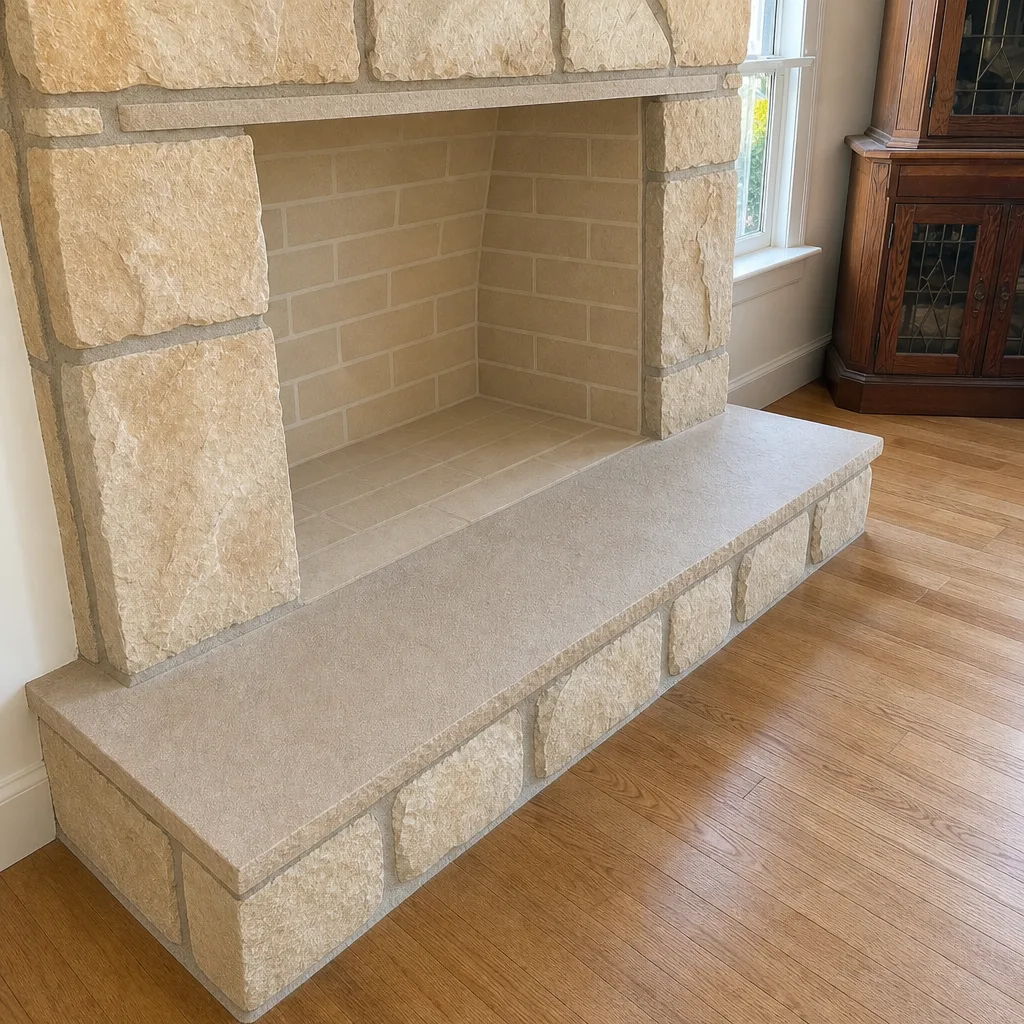
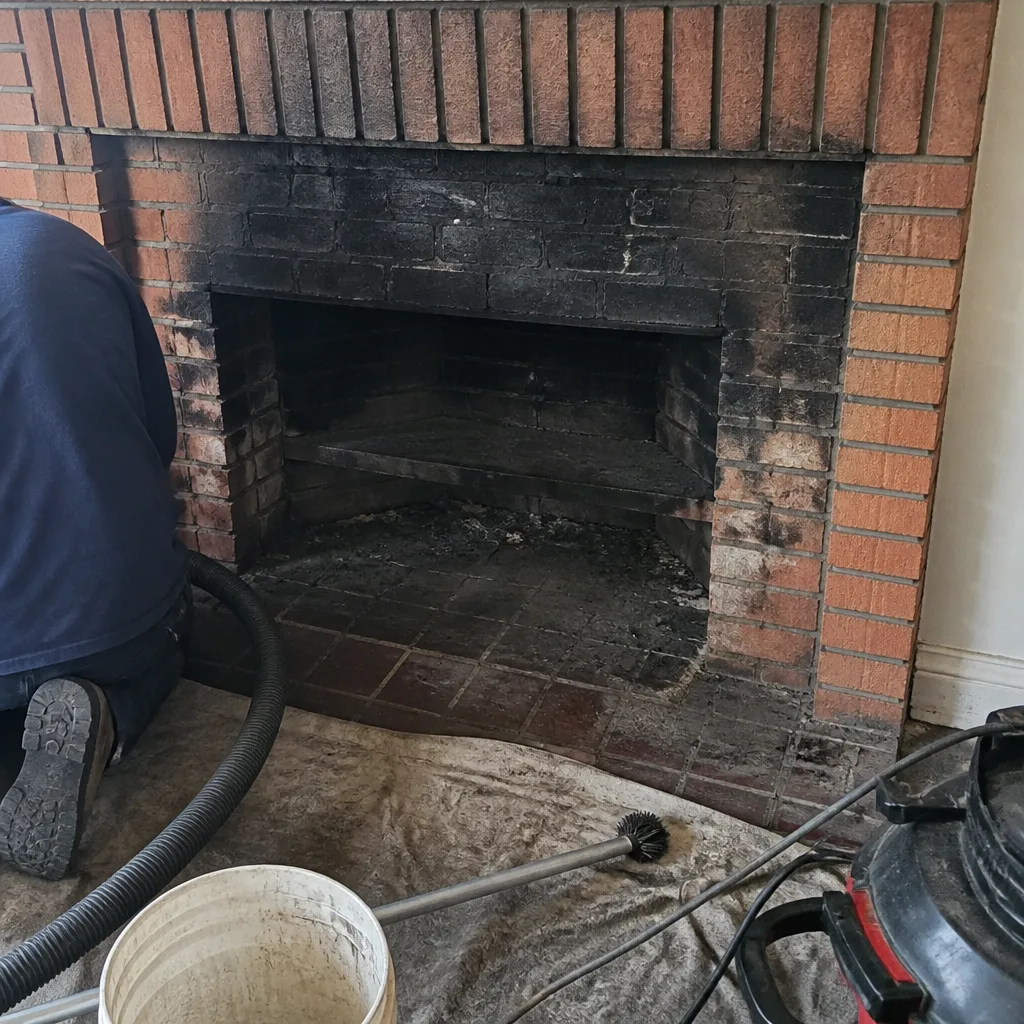
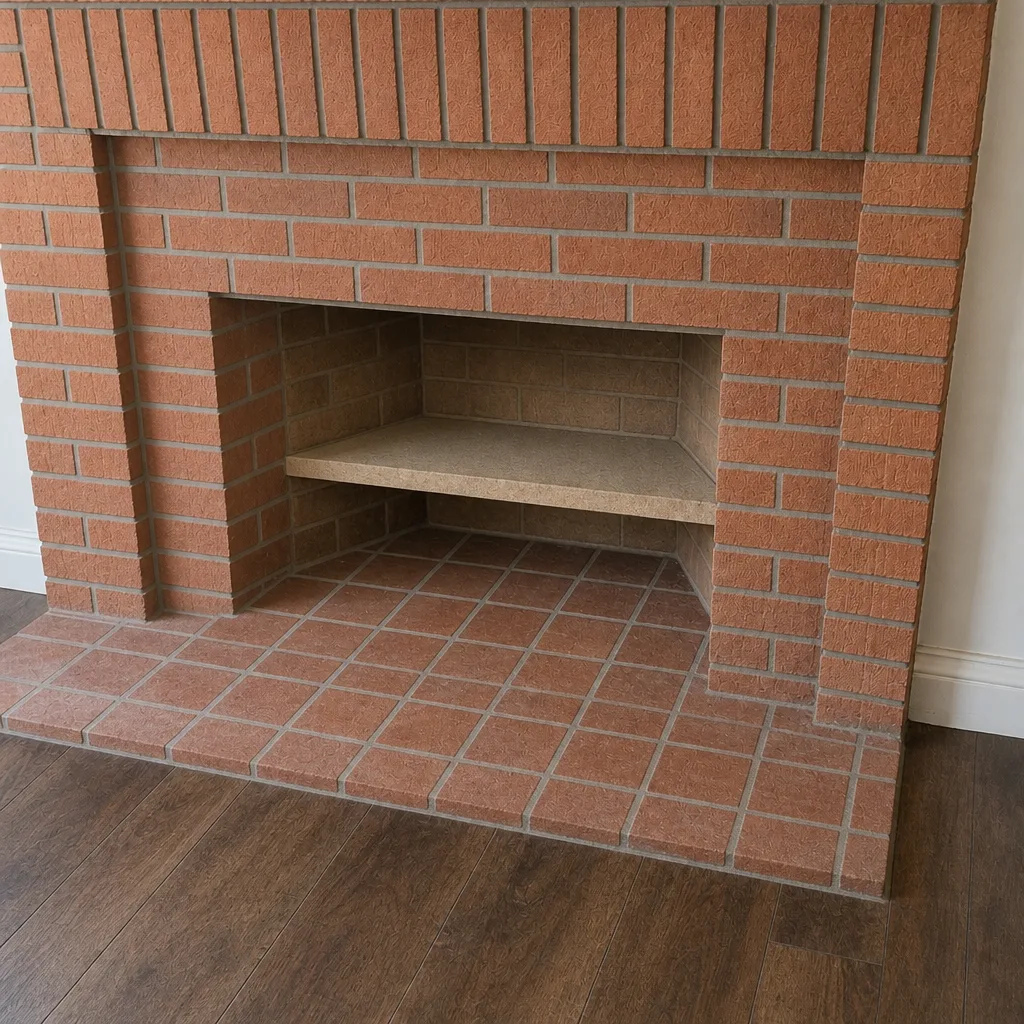
See the difference
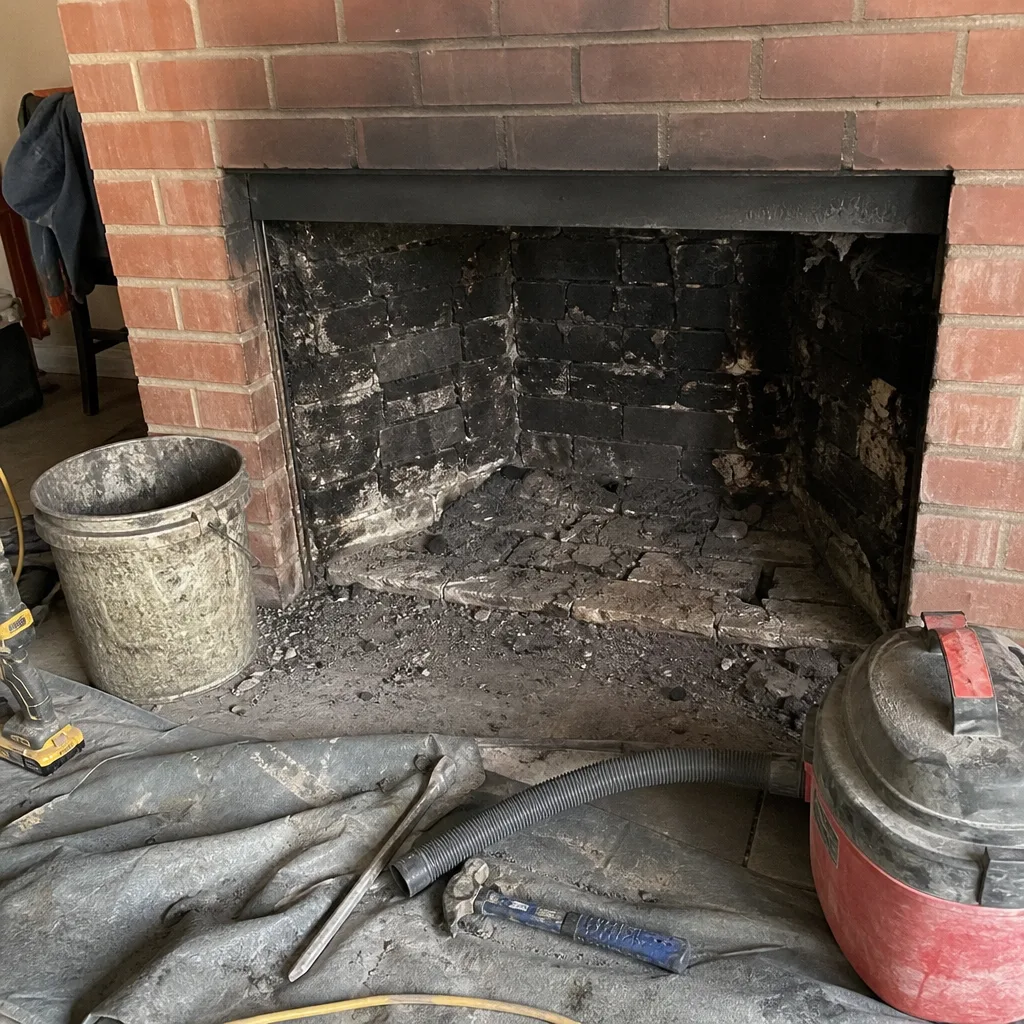 Before
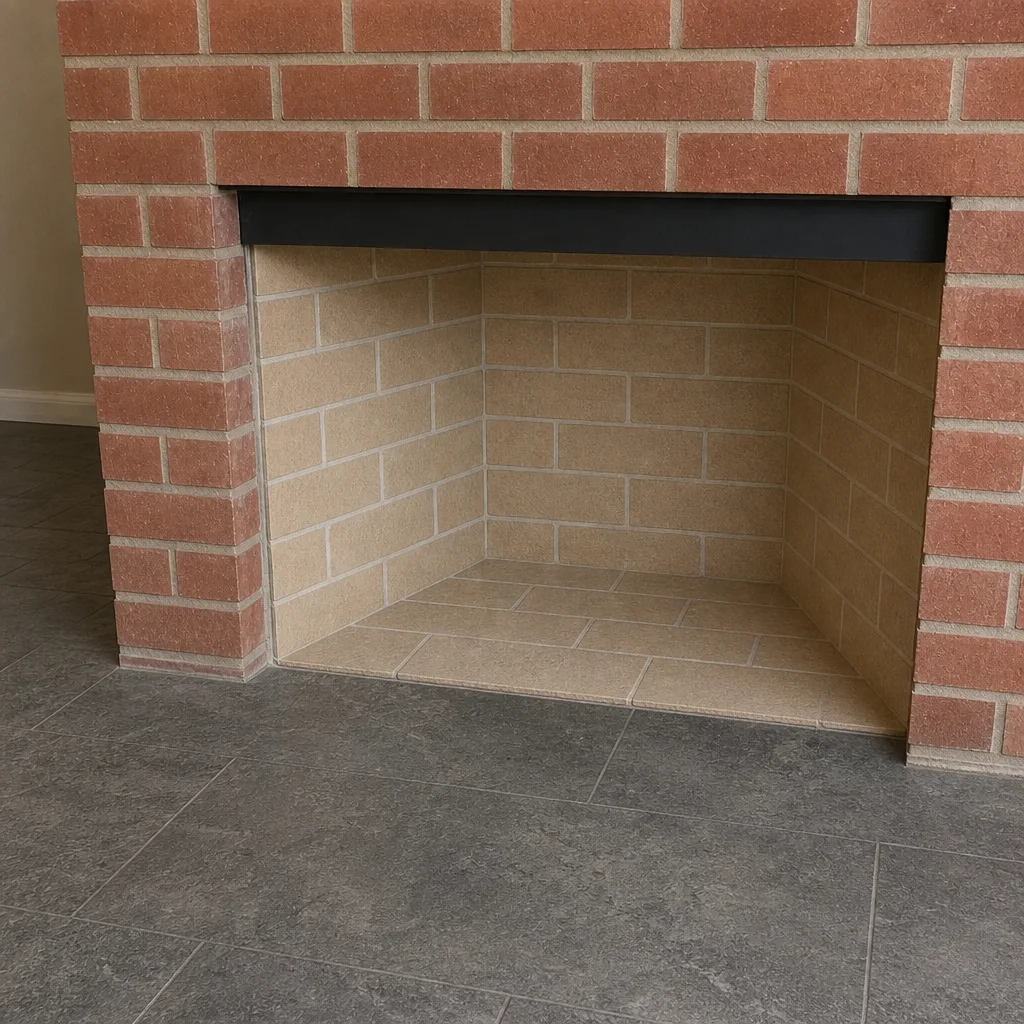 After
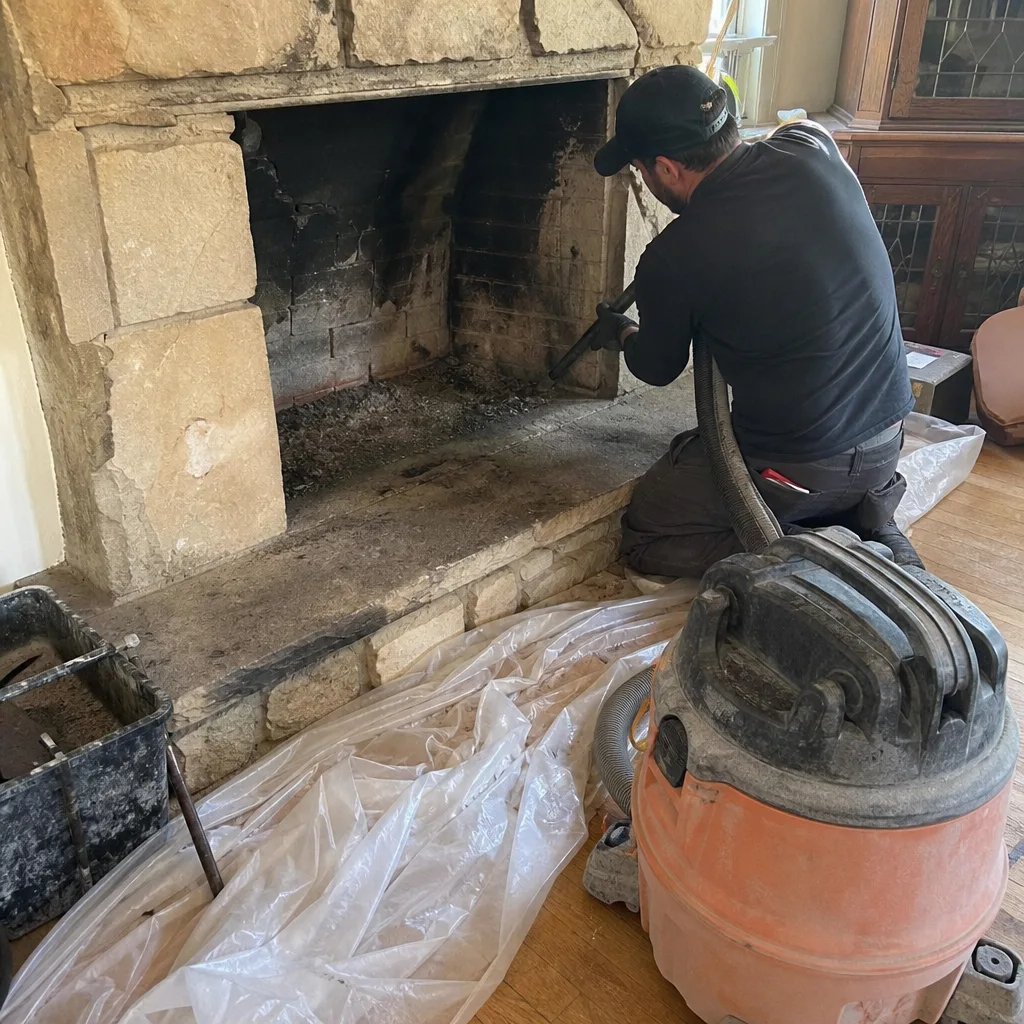 Before
 After
 Before
 After
When to Call a Professional
Some chimney problems are diagnostic puzzles you can work through with a flashlight and some patience. Others are beyond home troubleshooting from the start. If you see visible flue tile fragments in the firebox, call. If your CO detector has triggered during fireplace or gas insert use, call. If you can’t see daylight through the flue with the damper open, call. If the damper is stuck and won’t budge with normal force, call. If water is staining the ceiling near the chimney, call. If the dryer is taking more than one full cycle to dry a load, call for dryer vent cleaning. Chimney Sweep Arleta offers free estimates in Arleta, call (833) 958-9616. We answer 24/7. Fast dispatch from 7am to 7pm, Sunday through Friday.
Frequently Asked Questions
A standard chimney sweep and inspection in Arleta is priced per job based on the flue size, the level of creosote buildup, and the condition of the cap and crown. We provide a written estimate after seeing the chimney, and the estimate is free. Call (833) 958-9616 for an exact quote. We answer 24/7. Fast dispatch from 7am to 7pm, Sunday through Friday.
Smoke on initial lighting is usually a cold-flue backdraft: the air inside the chimney is dense and cold, and it falls instead of rising until the flue warms up. Priming the flue by holding a lit rolled newspaper near the open damper for 30 seconds often solves it. If the smoke persists after the flue is warm, you have a draft, pressure, or blockage problem that needs professional diagnosis.
We won’t recommend a liner without camera evidence you can see for yourself. When a liner is needed, it’s because the existing flue has cracks, gaps, or deterioration that allow heat and combustion gases to reach places they shouldn’t. HeatShield resurfacing fills moderate cracks without replacing the liner. A DuraFlex stainless liner is the option when the existing flue is beyond repair. Either way, we show you the images before we ask you to spend a dollar.
The National Fire Protection Association recommends an annual inspection and a sweep whenever creosote buildup reaches 1/8 inch or more. In Arleta, where the burning season is shorter than colder climates, most wood-burning fireplaces used regularly should be swept every one to two years. If you burn softwood or green wood, sweep annually regardless. Call (833) 958-9616 for an inspection and free estimate.
Creosote accumulates on the flue walls with every fire, and eventually it either restricts the draft until the fireplace barely works, or it ignites. A chimney fire burns extremely hot and can crack the flue liner, damage the surrounding masonry, and spread to the house structure. Skipping a sweep doesn’t save money; it just moves the cost from predictable maintenance to unpredictable repair.
Summer chimney odor is creosote reacting to humidity. The creosote absorbs moisture from the air and releases its sharp, acrid smell, which then settles into the house through the open damper. Removing the creosote with a mechanical sweep stops the smell at the source. A chimney cap that keeps rain and damp air out helps too, and if you don’t have one, that’s the second problem to fix.
The Bottom Line
Most chimney problems in Arleta have a specific, diagnosable cause, and the difference between a cleaning and a real fix comes down to knowing what symptom points to what failure. Smoke on lighting is backdraft or pressure, not necessarily dirt. A clean chimney can still have a cracked liner. A rattling damper is more than noise, it’s an air leak. Ash and debris seasons in the San Fernando Valley degrade caps and crowns faster than most homeowners expect. And the dryer vent, overlooked and underappreciated, is a fire hazard that deserves the same attention as the fireplace. Learn to read the symptoms, fix what you can, and call (833) 958-9616 for the rest. We answer 24/7. Fast dispatch from 7am to 7pm, Sunday through Friday.
Written by the team at Chimney Sweep Arleta, serving Arleta since 2017.