
Last updated November 4, 2026
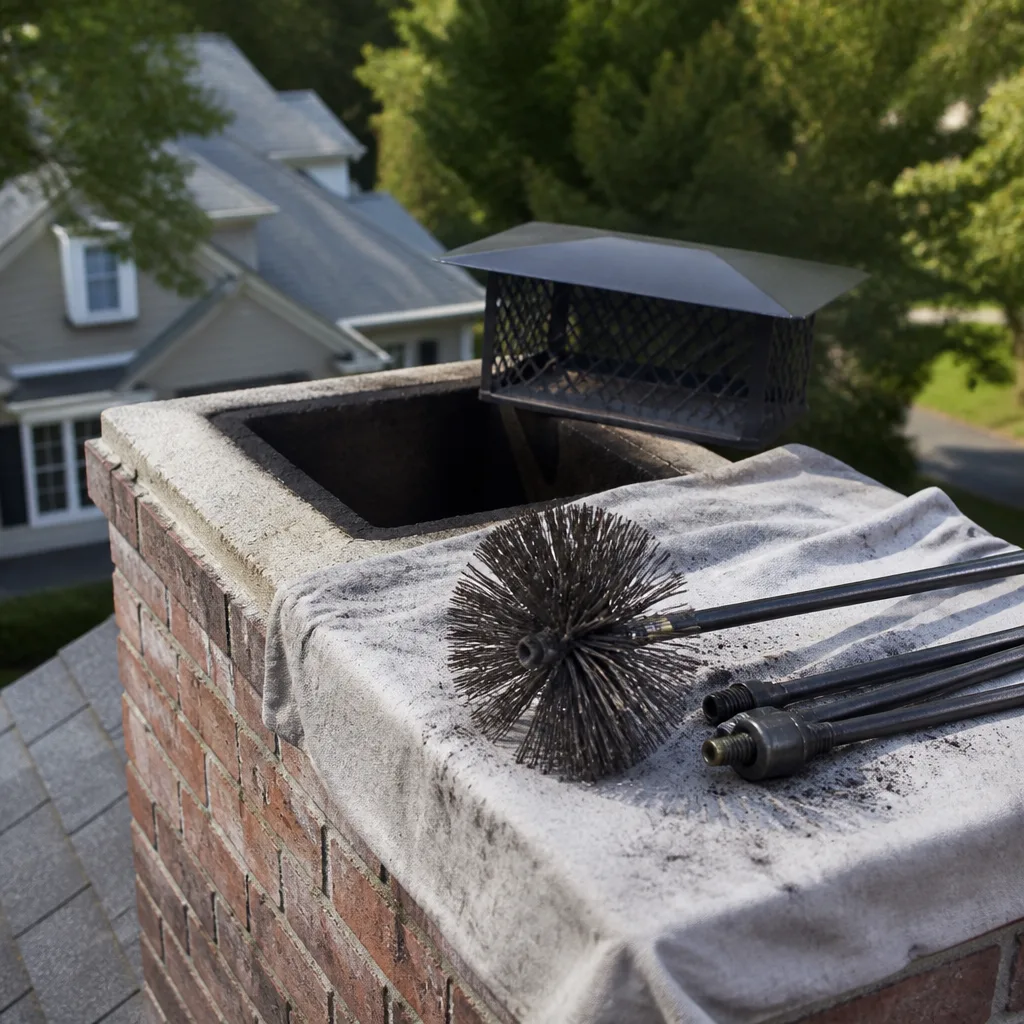 Sweep & inspection
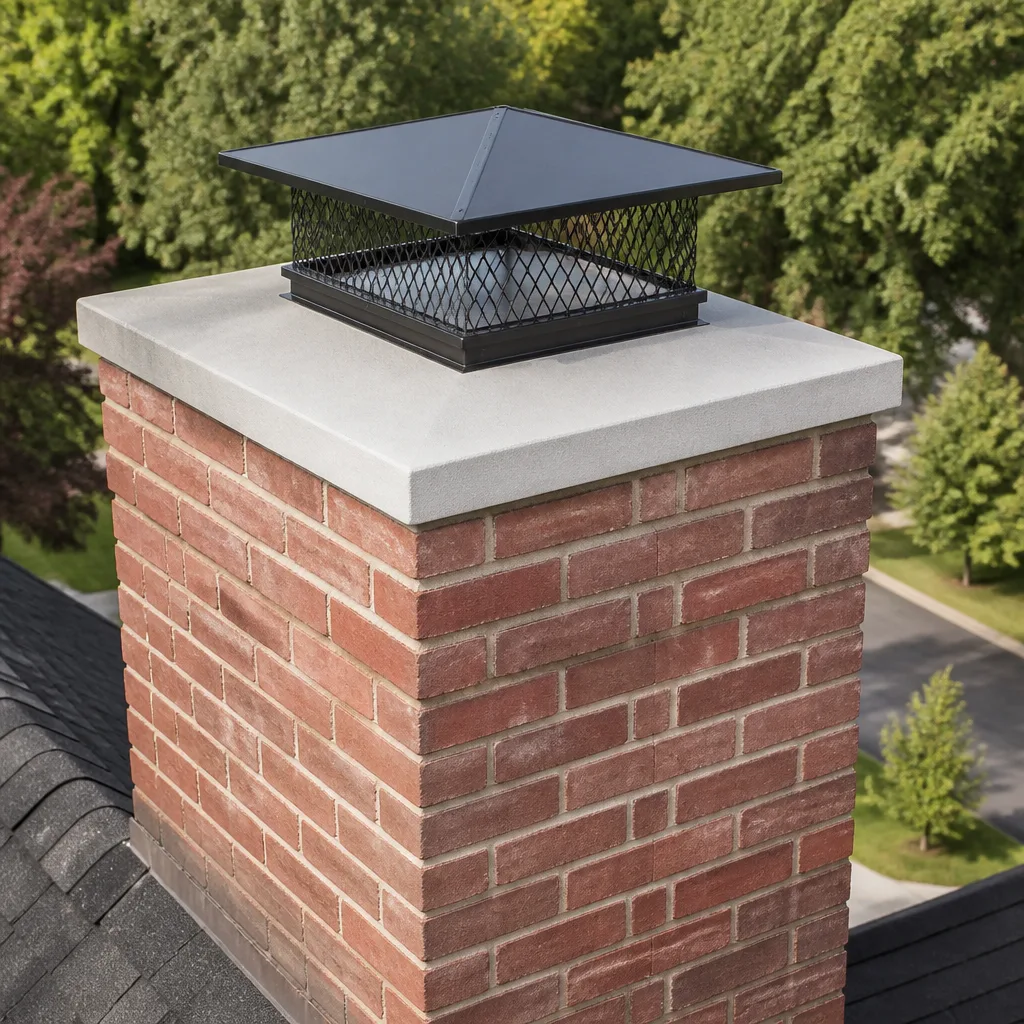 Caps & crowns
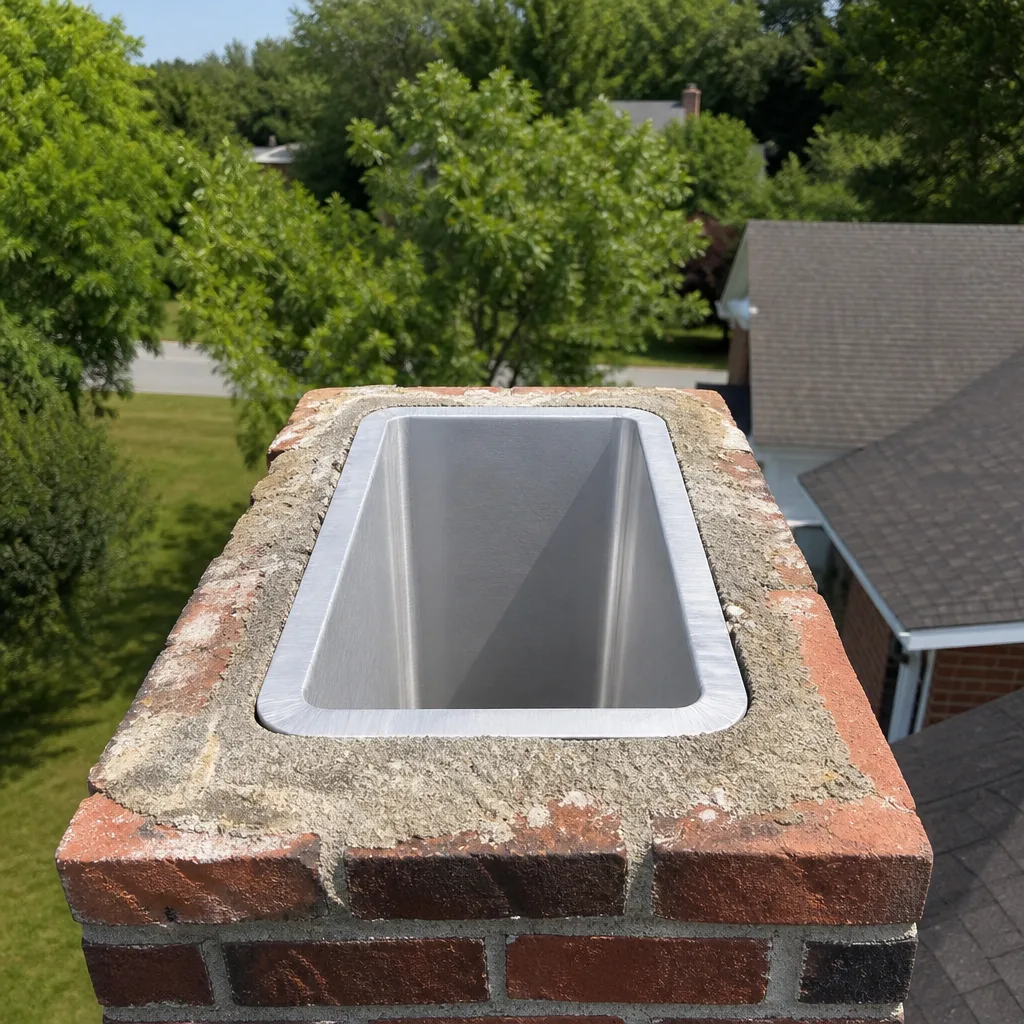 Flue relining
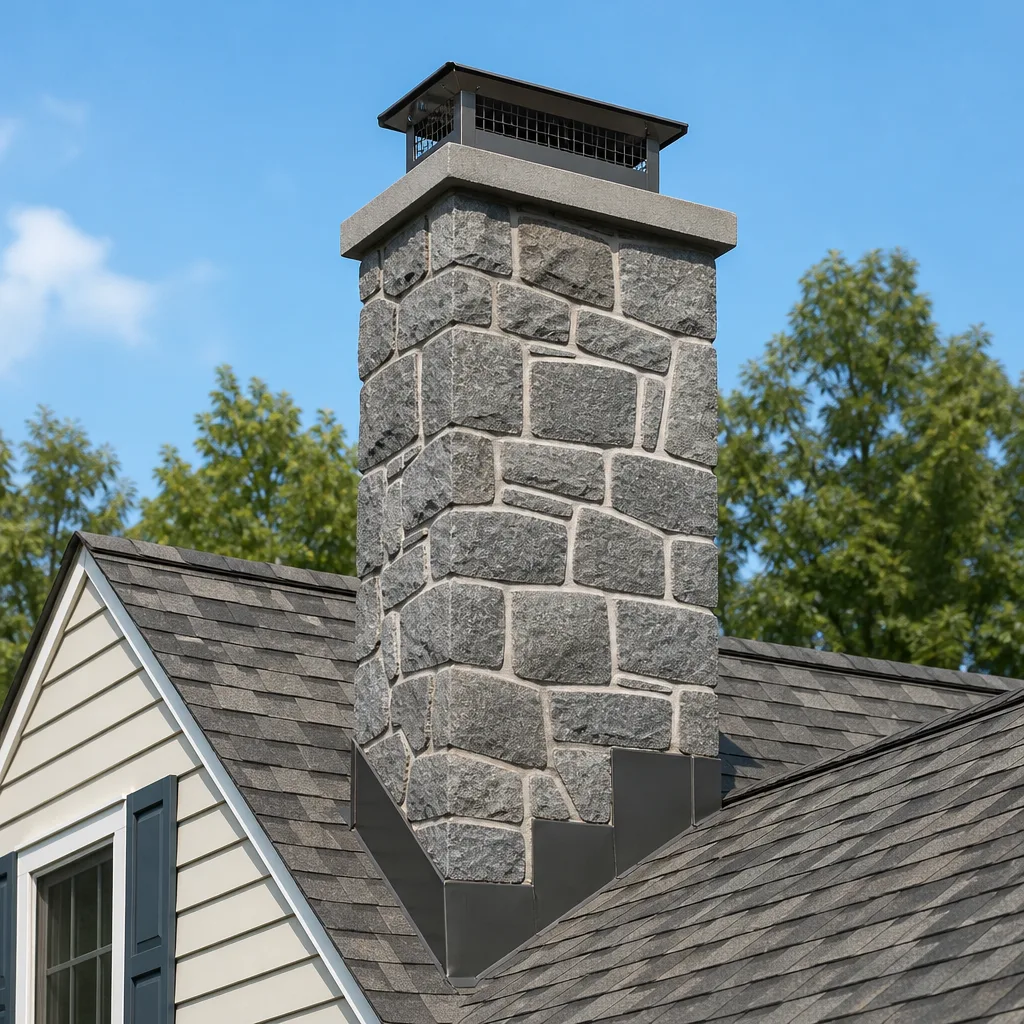 Masonry repair
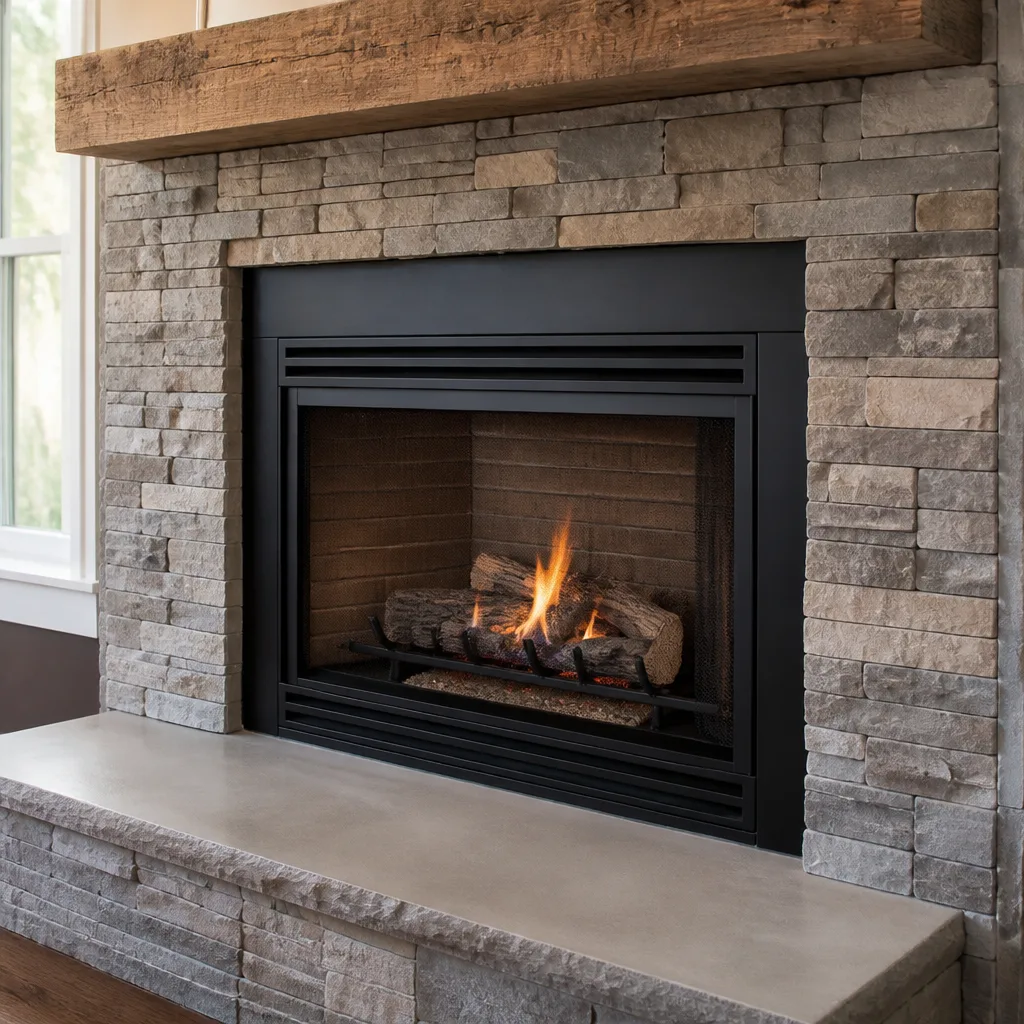 Gas fireplace service
Level 1 sweep and inspection to the NFPA 211 annual standard - flue, crown, cap, and flashing checked and photographed
Chimney sweep logs do not sweep chimneys. They loosen some creosote - which then falls where a brush and vacuum still have to collect it.
Choosing the Right Chimney Cleaning Brand: A Buyer’s Guide for Arleta
Most Arleta homeowners spend more time choosing a fireplace screen than evaluating the materials that go inside their chimney. That’s backwards. A chimney liner installed with cut-rate flex pipe can fail within five years. A DuraFlex system installed correctly is built to last decades. The contractor’s material choice is a longer-term decision than their labor, and most homeowners never ask about it. This guide explains what professional-grade brands like DuraFlex, HeatShield, and Copperfield actually do differently, why material quality outlasts the cleaning visit by decades, and how to ask the right questions before you hire anyone in Arleta.
Quick Answer
The right chimney cleaning brand in Arleta is not a single product name. It’s a standard: a contractor who stocks and installs professional-grade materials by name, including DuraFlex liner systems, HeatShield resurfacing, and Copperfield components. These brands are what CSIA-certified contractors rely on nationwide. If your sweep cannot tell you what liner, cap, or damper they install and why, you’re trusting the cheapest available part in your chimney.
Styles & brands we work with
- Sweep & inspection
- Caps & crowns
- Flue relining
- Masonry repair
- Gas fireplace service
Table of Contents
- Why Material Quality Matters More Than the Cleaning
- DuraFlex Liner Systems: What the Specs Actually Mean
- HeatShield Resurfacing: What It Repairs That Brushing Cannot
- Copperfield Components: Caps, Chase Covers, and Dampers
- Questions to Ask Any Chimney Contractor About Materials
- Warranty Reality: What Manufacturers Require From Installers
- What Arleta’s Climate and Housing Stock Mean for Your Chimney
- Common Mistakes to Avoid
- When to Call a Professional
- Frequently Asked Questions
Why Material Quality Matters More Than the Cleaning
A chimney sweep removes creosote and soot. That’s necessary work, but it’s also temporary. Within a burning season, the deposits return. The materials inside your chimney are permanent. A stainless liner, a chimney cap, a damper, a chase cover: these components sit in your flue for years, exposed to heat, moisture, and corrosive combustion byproducts. The difference between a professional-grade component and a box-store substitute is not cosmetic. It’s measured in years of service life.
We’ve seen this pattern repeatedly in the Arleta area. A homeowner hires a low-bid sweep, the cleaning gets done, and everything looks fine from the hearth. Two or three years later, an inspection reveals a liner that’s pitting, a cap that’s rusted through, or a damper that no longer seals. The cleaning was fine. The components were not. That’s the hidden cost of hiring on price alone.
Professional-grade materials exist because the chimney environment is unforgiving. Combustion gases are acidic. Moisture condenses inside the flue. Temperatures cycle from ambient to several hundred degrees. A product that survives those conditions for decades has engineering behind it. A product that does not will fail quietly, often in ways you won’t notice until a chimney sweep puts a camera up the flue and shows you the damage.
Here’s the practical takeaway for Arleta homeowners: material quality is the single most overlooked variable in chimney work. The cleaning visit lasts an hour. The liner, cap, and damper last decades. When you choose a contractor, you’re really choosing the materials they’ll leave behind.
DuraFlex Liner Systems: What the Specs Actually Mean
DuraFlex is a UL-listed flexible stainless-steel chimney lining system used for both masonry and prefab chimneys. The name matters because it represents a known quantity: a specific alloy, a consistent gauge, and testing that verifies performance under real firing conditions. That’s not true of generic flex pipe.
What to look for in a liner system
- Alloy grade: Professional-grade liners use stainless alloys formulated for combustion environments. Cheaper liners use lower-grade steel that corrodes faster when exposed to acidic flue gases.
- Gauge: Thicker metal resists warping and pinhole corrosion longer. Professional systems specify their gauge. Generic liners often don’t.
- Listing: A UL listing means the product has been tested to a recognized safety standard. No listing means no independent verification.
- Flexibility without kinking: A liner has to bend through an existing chimney chase. A quality liner flexes without collapsing. A cheap one can kink during installation, creating a flow restriction.
For Arleta homeowners with gas inserts or wood-burning fireplaces, a DuraFlex liner provides a smooth, continuous path from appliance to termination. That improves draft and contains combustion byproducts. The alternative, an unlined or deteriorating flue, allows heat and gases to reach combustible materials in the chimney structure.
The practical point: when a contractor says they install DuraFlex, they’ve named a product you can research. You can look up the listing, the warranty, and the installation requirements. When a contractor says they’ll install “a liner,” you have no idea what’s going in. That’s the difference between transparency and trust.
HeatShield Resurfacing: What It Repairs That Brushing Cannot
Brushing removes creosote and soot from the surface of a flue. It does not repair a flue that’s deteriorating. When the clay tile liner inside a masonry chimney cracks, spalls, or develops gaps, brushing alone cannot fix it. That’s where HeatShield comes in.
HeatShield is a ceramic resurfacing system applied to the interior of a damaged flue. It’s a UL-listed repair method for deteriorating chimney liners. The process restores a smooth, continuous surface inside the flue, sealing cracks and preventing heat and gases from escaping into the chimney structure. For many Arleta chimneys, HeatShield is a practical alternative to a full liner replacement, often at a lower cost and with less disruption.
The key difference between HeatShield and a full liner replacement is scope. A liner replacement installs a new stainless liner inside the existing flue. HeatShield resurfacing repairs the existing flue. Both approaches have their place. A professional assessment, using a camera inspection, will show which one makes sense for your chimney’s condition.
One thing to understand: HeatShield is a system, not a patch. It requires specific training and equipment. A contractor who offers it has invested in the capability. A contractor who brushes and walks away will never mention it, because they can’t do the work. That’s a useful signal when you’re comparing options in Arleta.
Copperfield Components: Caps, Chase Covers, and Dampers
The parts that finish a chimney matter as much as the liner inside it. Copperfield is a professional-grade supplier of chimney caps, chase covers, and damper systems. These are the components that keep water out and control airflow. They’re exposed to the most weather, and they fail first.
A chimney cap sits at the top of the flue and keeps rain, debris, and animals out. A chase cover tops a prefab chimney and prevents water from entering the chase. A damper controls air movement through the flue. Each of these components has a job, and each one fails when it’s made from the wrong material or fitted poorly.
The difference between a Copperfield cap and a box-store equivalent is fit and corrosion resistance. Professional-grade caps are sized and secured to stay in place during high winds. Their fasteners and materials resist rust. Cheaper caps can blow off, let rain in, or corrode within a few seasons. We’ve replaced plenty of box-store caps in Arleta that didn’t make it five years.
When a contractor installs Copperfield components, they’re using the same supply chain as professional chimney service companies nationwide. That means the parts are designed for the application, not for the shelf. For a homeowner, it means the cap on your chimney is a real repair, not a temporary fix.
Questions to Ask Any Chimney Contractor About Materials
Most homeowners interview a contractor and never ask a single question about materials. That’s the gap that costs you later. Here’s what to ask, in order, and what the answers tell you.
- “What liner system do you install, and why that one?” A contractor who names a system, like DuraFlex, and explains the reason, is working from a professional standard. A contractor who says “whatever fits” is sourcing reactively, often from the cheapest supplier.
- “Do you keep these materials in stock, or do you order them per job?” Contractors who stock professional-grade materials buy them in volume and know them well. Contractors who order per job are more likely to buy whatever’s available locally, which is rarely the best option.
- “What’s the warranty on the liner or resurfacing product, and what does it require from you as the installer?” Manufacturer warranties have installation requirements. A contractor who can explain them has read them. A contractor who waves the question off likely hasn’t.
- “Can I see a sample or documentation for the cap, damper, or liner you’re proposing?” Professional-grade suppliers provide documentation. If the answer is vague, the product probably is too.
- “Will you show me the problem on camera before recommending a repair?” This is the verification question. A contractor who won’t show you the camera footage is asking you to trust them blindly. We recommend nothing in Arleta without camera evidence you can see for yourself.
These questions don’t require technical knowledge. They just require asking. A contractor who works with professional-grade materials will answer them without hesitation. A contractor who doesn’t will deflect. That’s your signal.
Warranty Reality: What Manufacturers Require From Installers
Manufacturer warranties on liner systems and resurfacing products are only as good as the installation. That’s the part most homeowners miss. A DuraFlex liner warranty, for example, assumes the liner was installed according to the manufacturer’s specifications: the right size, the right termination, the right connection to the appliance. An installation error voids the warranty, and the homeowner usually has no way to know the error happened.
This is where contractor choice matters most. A contractor who regularly installs a specific liner system knows its requirements. They’ve done the training, they understand the clearances, and they install it correctly. A contractor who rarely touches that product is more likely to make a mistake that voids your warranty.
HeatShield carries similar logic. The resurfacing system is only as effective as the preparation and application. A technician who’s been through the manufacturer’s certification process is applying the product as designed. A technician who’s watched a video is not.
For Arleta homeowners, the practical takeaway is simple: ask the contractor what training or certification they hold for the specific products they install. A real professional will tell you. A generalist will change the subject. And when a warranty claim comes up years later, the installer’s qualifications are what determine whether the manufacturer stands behind the product.
What Arleta’s Climate and Housing Stock Mean for Your Chimney
Arleta sits in the northeastern San Fernando Valley, where winters are mild and the biggest chimney threats are not freeze-thaw cycles but long dry seasons and occasional heavy rain. Creosote accumulates during the burning season. Then the dry months set in. A chimney that went uncleaned through a full season of fireplace use is holding combustible deposits through months of hot, dry weather. That’s a fire risk that doesn’t wait for a cold snap.
Housing stock in Arleta is a mix of mid-century single-family homes and newer construction. Many of the older homes have masonry chimneys that have seen decades of use. Liners crack, mortar joints deteriorate, and caps rust. The newer homes, particularly those with prefab chimneys, have their own needs: chase covers that leak, factory-built flues that require specific liner types, and components that must meet the manufacturer’s specifications.
For this community, the contractor’s material standard matters differently than it would in a climate with snow and ice. Here, the issue is longevity through heat, dryness, and the occasional storm. A stainless liner holds up. A cheap cap corrodes. A HeatShield resurfacing seals the flue before water intrusion becomes structural damage.
Arleta homeowners also run clothes dryers year-round, and dryer vent cleaning belongs in the same conversation as chimney maintenance. The house has one combustion-venting system when you count the fireplace and the dryer together. A contractor who handles both under one roof is looking at your home the way it actually works.
Common Mistakes to Avoid
- Hiring on price alone. The cheapest sweep in Arleta is usually cheapest because they source the cheapest materials. You won’t see the difference until the liner or cap fails.
- Assuming every sweep does repairs. Most sweeps clean and inspect. They don’t install liners or apply HeatShield. If your inspection reveals damage, you’re left hiring a second contractor to do the repair. Ask about repair capability up front.
- Accepting a recommendation without camera evidence. If a contractor says you need a new liner but won’t show you the problem on a camera feed, you have no way to verify the claim. Walk away.
- Ignoring the dryer vent. Dryer vents are a leading residential fire risk, and they’re easy to overlook because the dryer still works. A whole-home approach includes both the chimney and the dryer vent. Don’t wait until the dryer takes longer to dry a load, which means the vent is already packed.
- Choosing a liner by price per foot. A liner is not a commodity. Alloy, gauge, listing, and installation quality all vary widely. A cheap liner installed poorly is more expensive than a professional liner installed once.
- Skipping the cap replacement. When a cap rusts out, the fix is not to leave it off. An uncapped flue lets rain, birds, and debris into the chimney. A professional-grade cap from a supplier like Copperfield costs a fraction of the damage it prevents.
- Not asking about warranties at the time of installation. Manufacturer warranties have documentation and installation requirements. If you don’t ask, you won’t know what’s covered or for how long. Get it in writing before work begins.
When to Call a Professional
Call a professional when you see any of these: a fireplace that smokes back into the room, a strong odor from the chimney even when it’s not in use, visible rust on the cap or chase cover, mortar or tile fragments falling into the firebox, or a dryer that takes more than one cycle to dry a normal load. These are symptoms, not mysteries. Each one points to a specific condition in the venting system that a trained eye can identify.
If you’ve just moved into an older Arleta home and have no record of when the chimney was last swept, call before you build your first fire. Unknown maintenance history is the most common reason we find significant creosote buildup or liner damage. Chimney Sweep Arleta offers free estimates in Arleta with camera inspection and photo documentation included. Call (833) 958-9616. We answer 24/7. Fast dispatch from 7am to 7pm, Sunday through Friday.
Frequently Asked Questions
For a wood-burning fireplace used regularly during the burning season, schedule a sweep once a year. Gas fireplaces can often go longer between cleanings, but an annual inspection is still wise because venting issues develop without visible symptoms. If you burn unseasoned wood or use the fireplace heavily, you may need more frequent service. Call (833) 958-9616 and we’ll assess your specific usage. Estimates are free.
You should never accept a liner recommendation without camera evidence. At Chimney Sweep Arleta, we show every customer the video of their flue before recommending any repair. A cracked, spalled, or separated liner is a real safety issue, and you’ll see it with your own eyes. If a contractor won’t show you the problem, don’t authorize the work.
Creosote continues to build up inside the flue. It’s combustible, and when it reaches the point where it ignites, you have a chimney fire. The first chimney fire may do enough structural damage to require a liner replacement. The second one may extend into the house. The cleaning is cheap compared to either outcome. Call (833) 958-9616 for an exact quote. Estimates are free.
The cost depends on the condition of the chimney, the type of fireplace, and whether repairs are needed. We provide a written estimate after an inspection, and the price is set per job. The estimate is free. There’s no pressure to approve anything you haven’t seen on camera. Call (833) 958-9616 to schedule.
HeatShield resurfacing is a UL-listed repair method for deteriorating flue interiors. It seals cracks and restores a smooth surface inside the existing liner. Whether it’s right for your chimney depends on the extent of the damage, and a camera inspection will determine that. In some cases, a full DuraFlex liner installation is the better path. We’ll show you the footage and explain the options before any dollar is discussed.
Lint is flammable and accumulates inside the vent pipe where you can’t reach it from the lint trap. The more restricted the vent becomes, the hotter the dryer runs and the greater the fire risk. Professional dryer vent cleaning removes the buildup from the full length of the duct. It’s a core part of whole-home fire safety, and we treat it that way.
The Bottom Line
The right chimney cleaning brand in Arleta is not a brand name on a cleaning product. It’s the material standard your contractor builds into your chimney. DuraFlex liners, HeatShield resurfacing, and Copperfield components represent professional-grade materials by name, with known specs, listings, and warranties. When you choose a contractor who works with those products, you’re choosing transparency and longevity. When you choose a contractor who can’t name what they install, you’re choosing risk you won’t see until later. Ask the questions. Demand the camera evidence. And remember that one call covers your chimney and your dryer vent. Call (833) 958-9616 for a free estimate. We answer 24/7. Fast dispatch from 7am to 7pm, Sunday through Friday.
Written by the team at Chimney Sweep Arleta, serving Arleta since 2017.
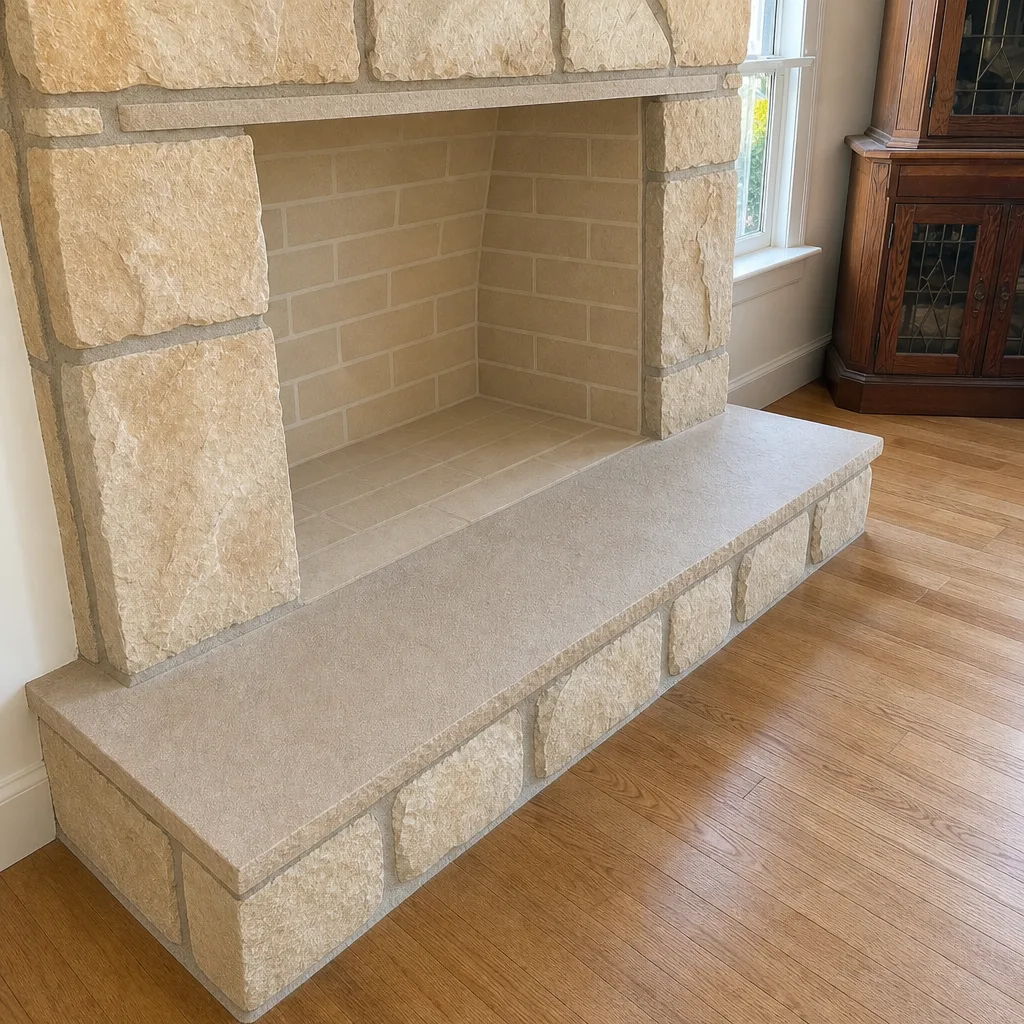
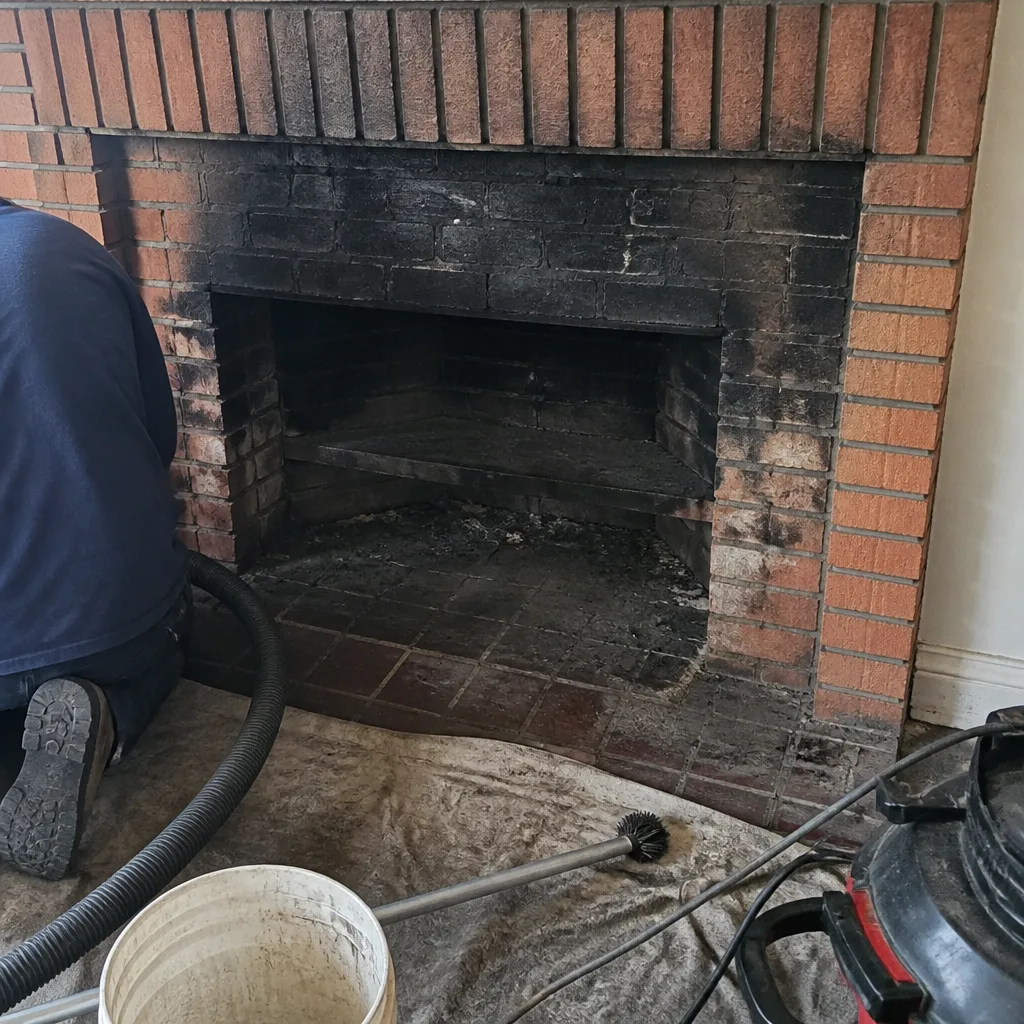
See the difference
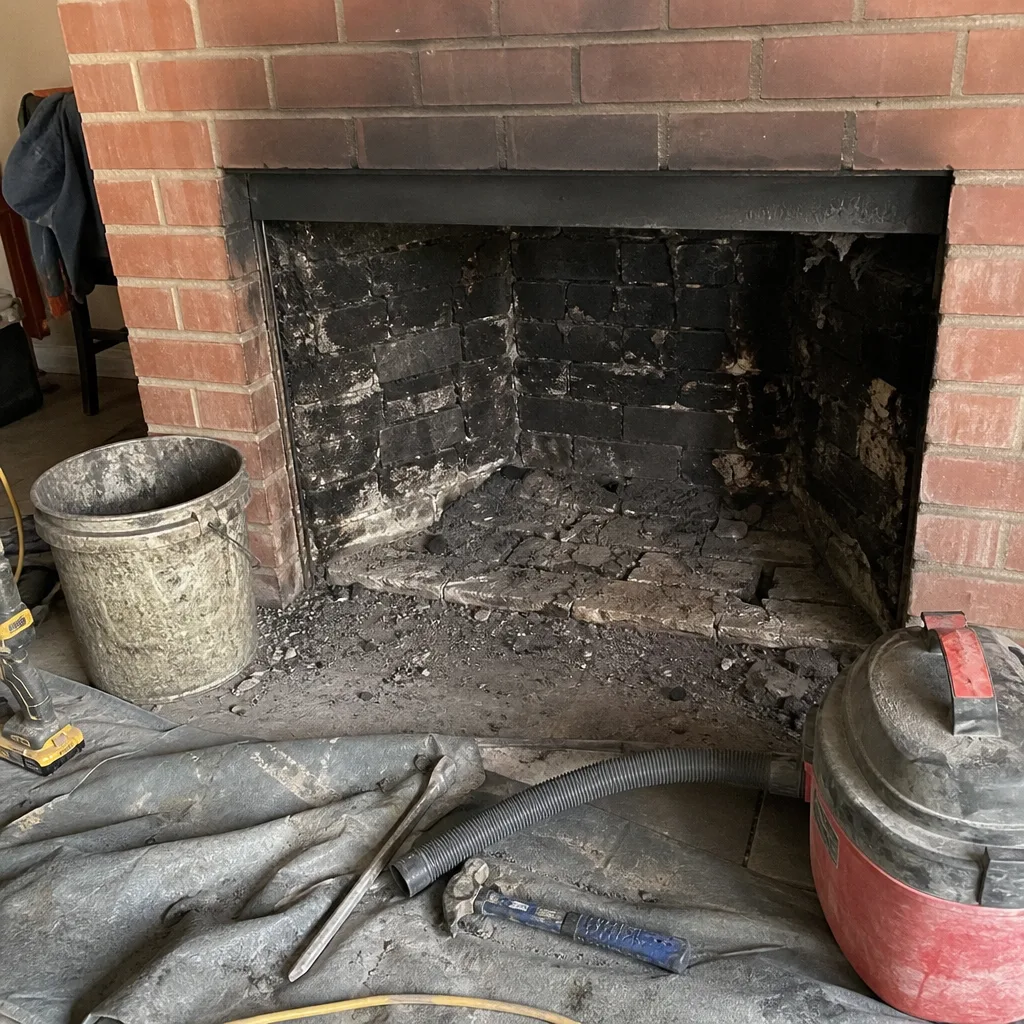 Before
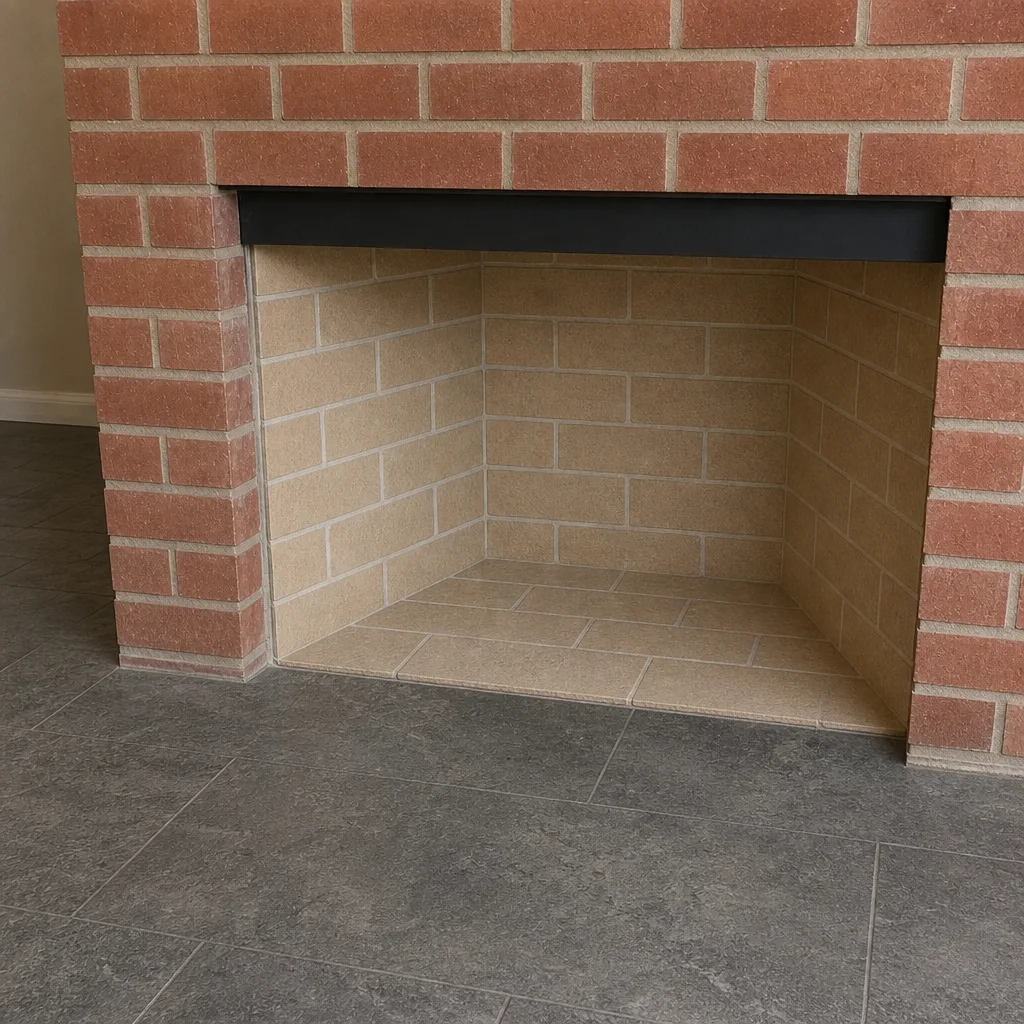 After
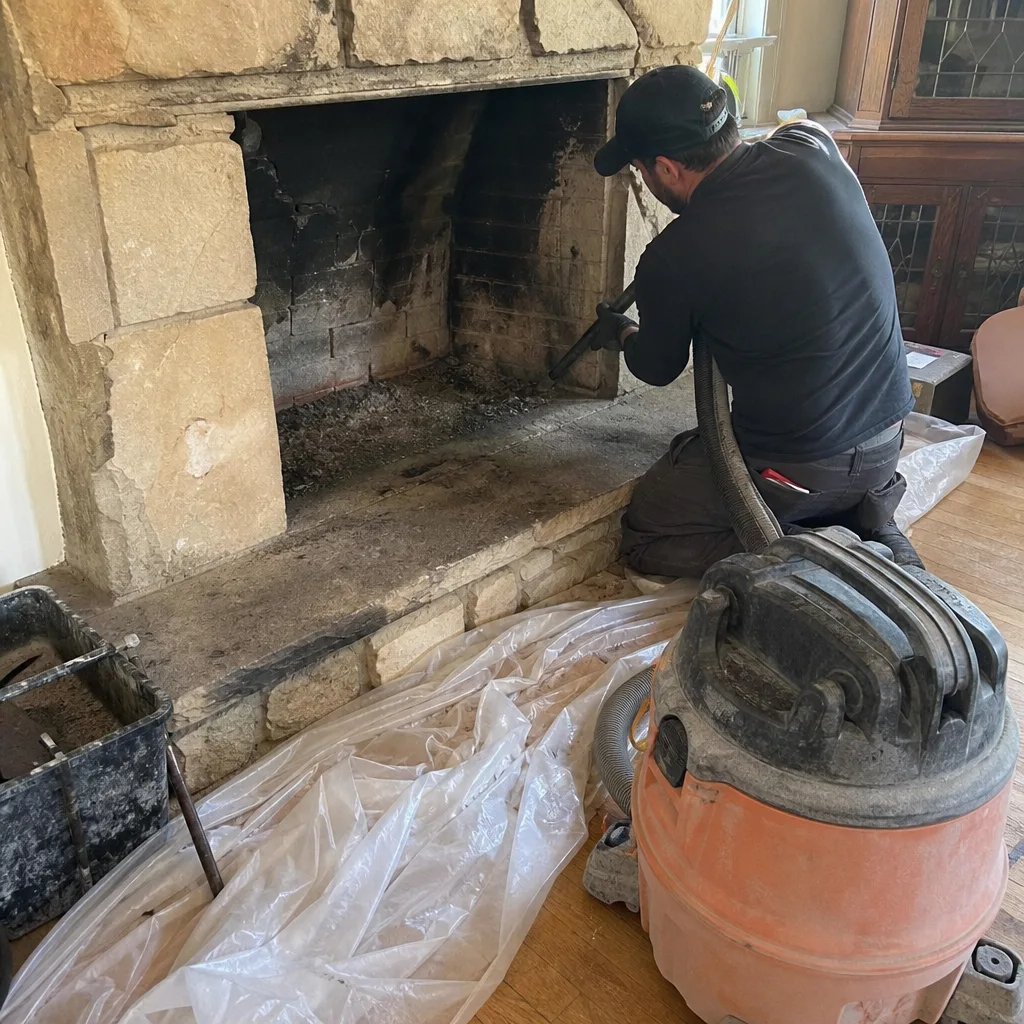 Before
 After
 Before
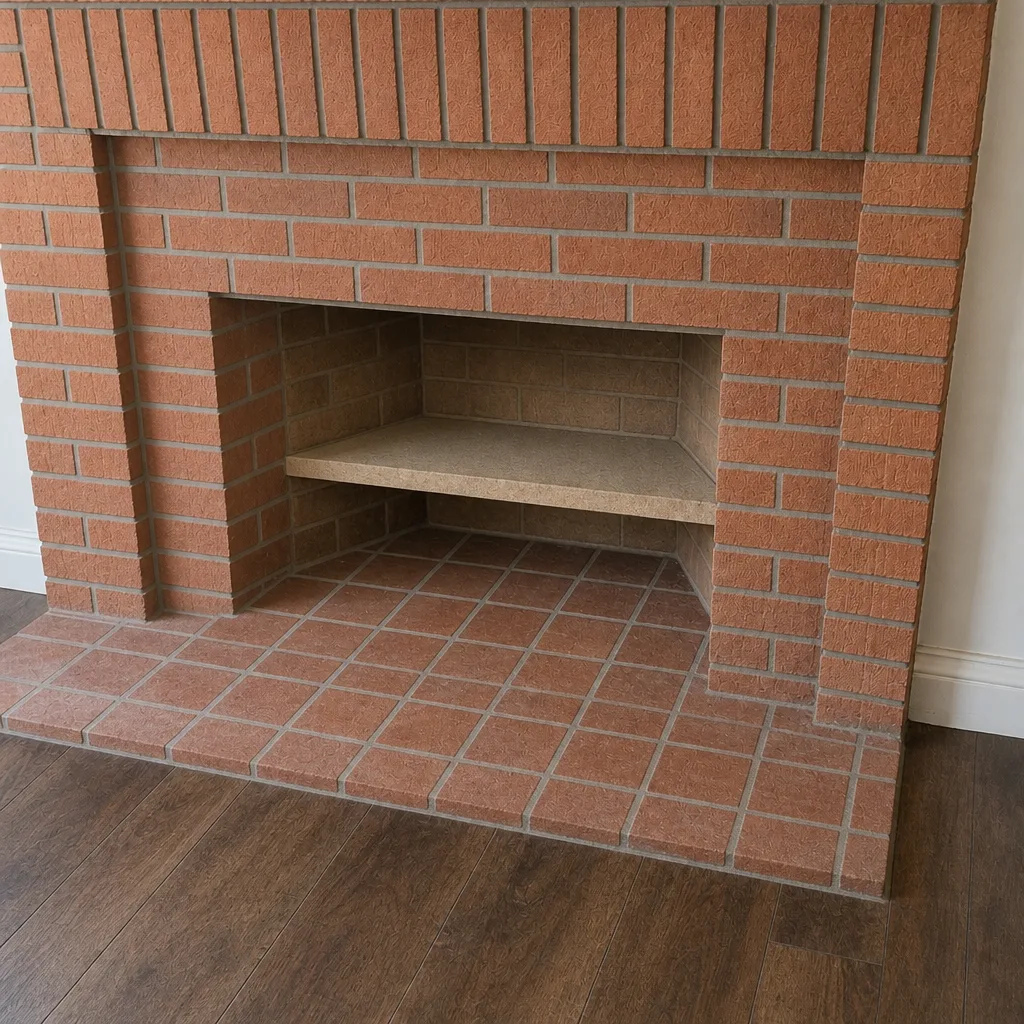 After