
Last updated November 4, 2026
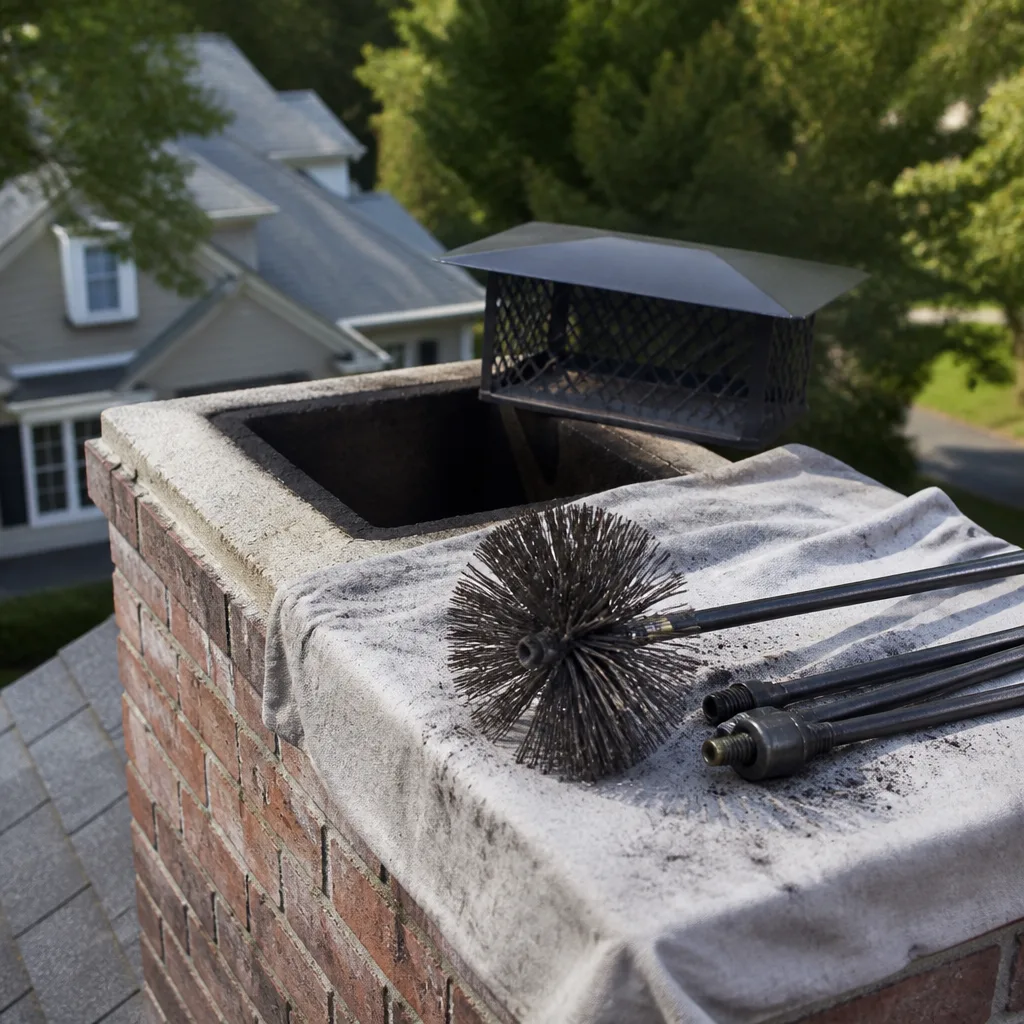 Sweep & inspection
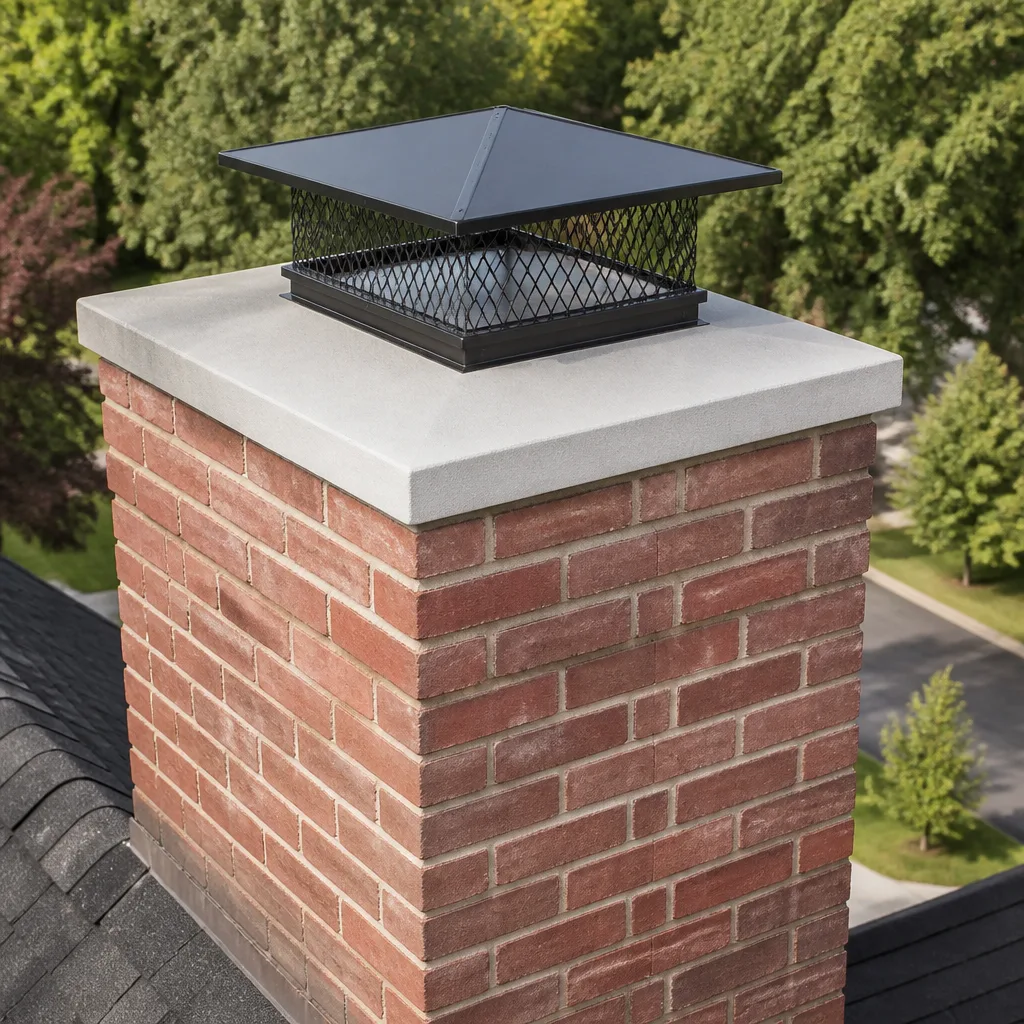 Caps & crowns
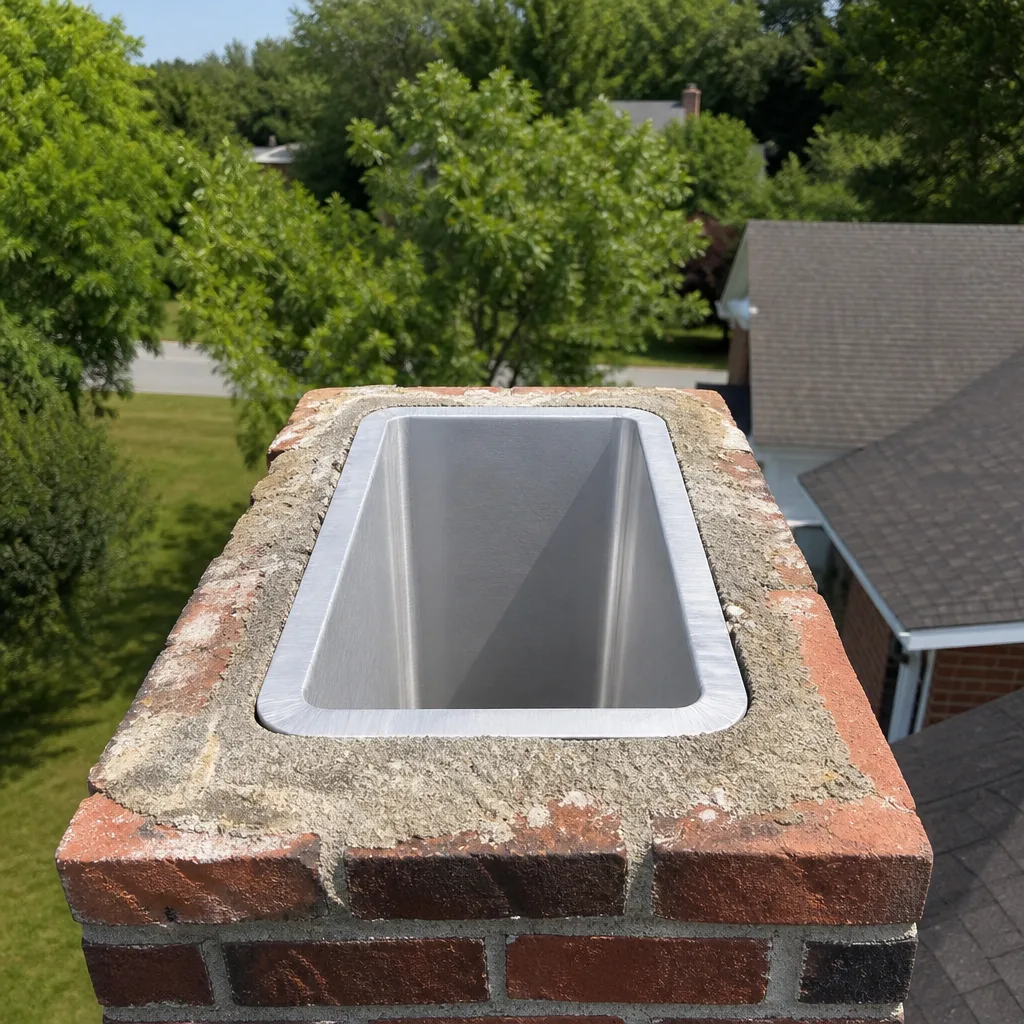 Flue relining
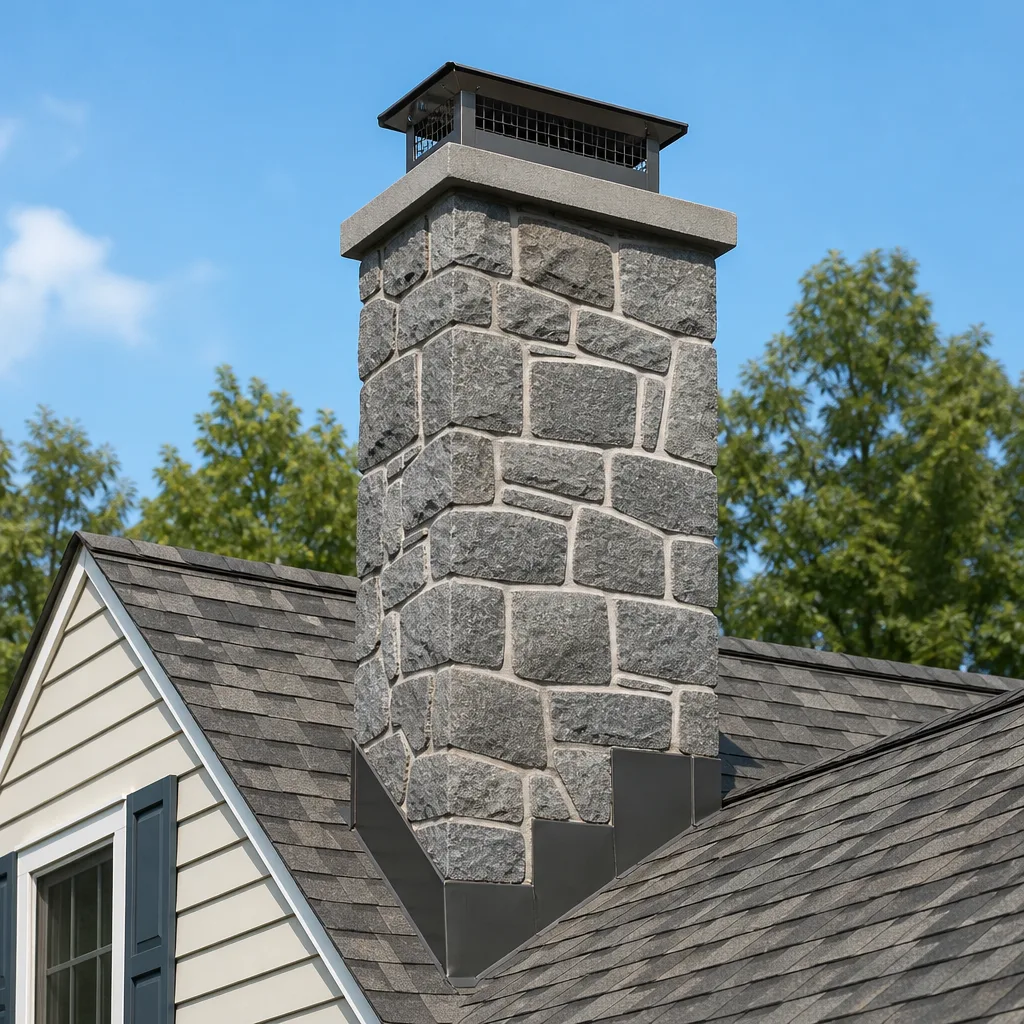 Masonry repair
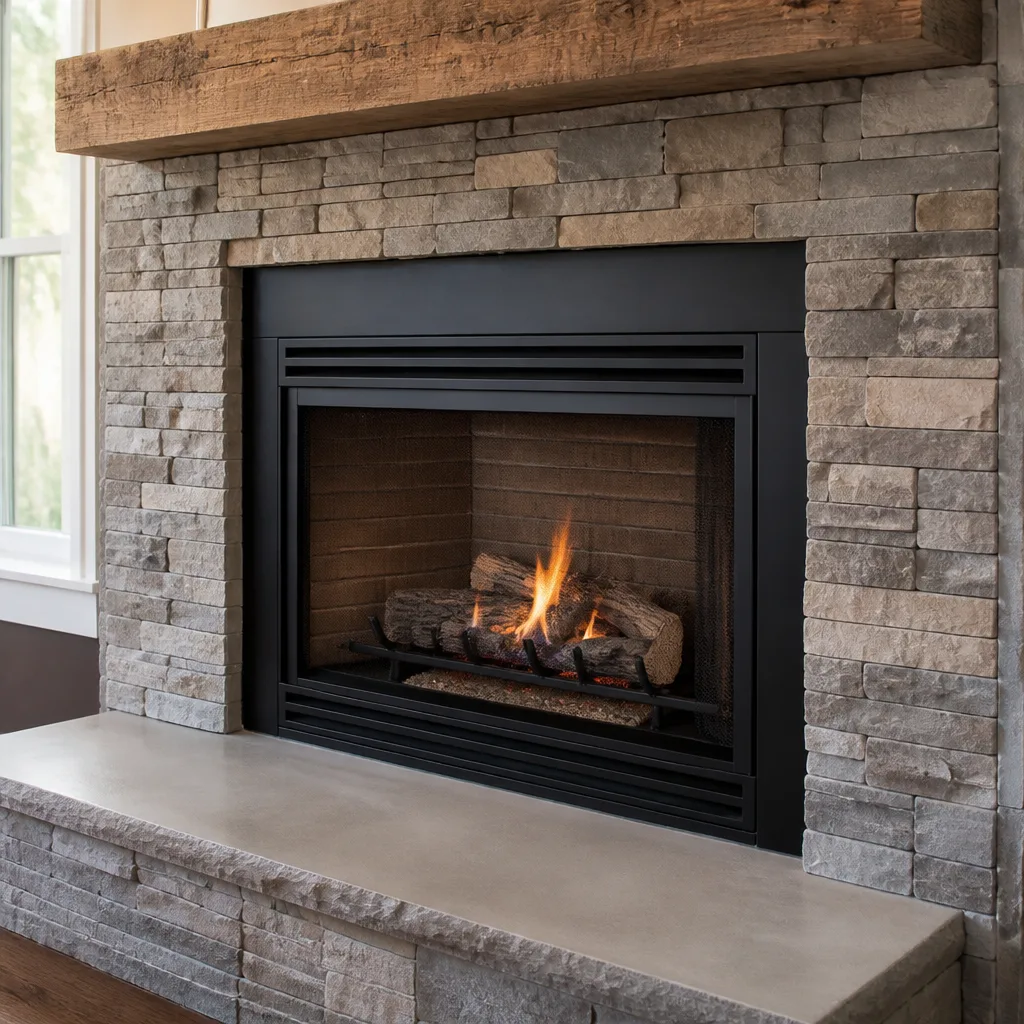 Gas fireplace service
Level 1 sweep and inspection to the NFPA 211 annual standard - flue, crown, cap, and flashing checked and photographed
Chimney sweep logs do not sweep chimneys. They loosen some creosote - which then falls where a brush and vacuum still have to collect it.
Chimney Cleaning Warning Signs: An Arleta Homeowner’s Reference Guide
A smoky smell in the living room is not a draft problem until proven otherwise. It is also how a cracked flue tile or a blocked liner announces itself, and the difference between investigating that smell and ignoring it can be the difference between a routine sweep and a house fire. Most Arleta homeowners do not think about their chimney until something feels off, and by then the damage is usually already underway. This guide translates the symptoms you can see, smell, and hear into what they actually mean, so you know whether you are looking at a cleaning or a structural repair.
Quick Answer
The most common chimney warning signs in Arleta are smoke backing into the room, a sharp campfire-like smell that lingers when the fireplace is cold, visible staining or flaking on the exterior brick, and soot building up faster than it used to. Any of these means the chimney needs a professional inspection, and several of them mean you should stop using the fireplace until a chimney sweep has assessed it. The smell of smoke indoors is never normal for a properly drafting chimney, and a chimney that has not been cleaned in more than a year is working against you every time you light a fire.
Styles & brands we work with
- Sweep & inspection
- Caps & crowns
- Flue relining
- Masonry repair
- Gas fireplace service
Table of Contents
- Visual Warning Signs You Can Read From the Ground
- Odor Diagnostics: What Each Smell Is Telling You
- Operational Warning Signs: Smoke, Slow Starts, and Pilot Outages
- Interior Warning Signs Homeowners Overlook
- Clean It or Stop Using It: A Decision Framework
- Warning Signs Specific to Gas Fireplaces and Inserts
- Arleta-Specific Factors That Affect Chimney Wear
- Common Mistakes to Avoid
- When to Call a Professional
- Frequently Asked Questions
Visual Warning Signs You Can Read From the Ground
You do not need a ladder to spot most of the serious chimney problems on an Arleta home. You need to know what you are looking at, because the signs are visible from the driveway if you know which direction to look and what each mark means.
Spalling brick looks like the face of the brick has peeled away, leaving a rough, recessed surface where a smooth face used to be. It happens when water gets into the brick and the brick slowly crumbles from the inside out. In the San Fernando Valley climate, water intrusion comes from rain that sits on the crown and soaks down into the masonry, not from freezes, but the damage is the same: a chimney that is shedding pieces of itself onto the roof and into the flue.
Efflorescence is the white, chalky staining that appears on brick surfaces. It is a mineral deposit left behind when water moves through masonry and evaporates. Seeing efflorescence on your chimney means water is traveling through the brick, and that means the interior flue is being exposed to moisture every time it rains. It is not a cosmetic issue to pressure wash away and forget. It is a moisture meter telling you the chimney has a leak path.
Rusted chase covers appear on prefab or factory-built chimneys. The chase cover is the metal cap that sits on top of the chimney chase, and when it rusts through, water drops straight down into the chase and onto the firebox below. Rust staining running down from the top of the chimney is the tell. By the time the rust is visible from the ground, the cover usually needs replacement rather than repair.
Crown cracking refers to the concrete crown at the top of a masonry chimney, the sloped surface that sheds rain away from the flue. Hairline cracks in the crown widen over time, and any crack wider than a dime is an open channel for water. In Arleta’s summer heat, concrete expands and contracts enough that existing cracks tend to grow year over year rather than staying put.
Odor Diagnostics: What Each Smell Is Telling You
Your nose is the most reliable chimney diagnostic tool you own, because each type of chimney problem has a distinct smell profile. In our experience, most Arleta homeowners notice a smell before they notice anything else, and the smell usually tells us what we are going to find before we get on the roof.
A sharp, acrid, campfire smell that appears when the fireplace is cold and gets stronger on humid days points to creosote buildup. Creosote is the tar-like residue that condenses from wood smoke, and it is not an incidental byproduct. It is a combustible material that builds up in layers on the flue walls. When the air gets heavy, that creosote off-gasses into the room. The thicker the layer, the stronger the smell, and the higher the fire risk.
A decaying, musty, or animal-like odor is usually an animal intrusion. Birds, squirrels, and rats in the Arleta area seek out chimneys as nesting sites, and they do not always leave. A dead animal in the flue, or a nest that has soaked up water, produces a smell that is unmistakable once you have encountered it. This is not a smell that fades with ventilation. It needs removal and usually a chimney cap installation to prevent it from recurring.
A damp, mildewy, or earthy smell is moisture damage. Water has entered the chimney and is sitting in the masonry or on the smoke shelf. This is the smell of a leaking crown, a cracked flue tile, or a missing chase cover. Left alone, it will not dry out. It will deepen into mold and accelerate the deterioration of any metal components inside.
A smell like exhaust or gas inside the house is a backdraft condition or a damaged flue. It means combustion gases are not leaving the home the way they should. This is the most serious smell on this list, and it overlaps with a carbon monoxide risk. If you smell exhaust when the fire is running or the gas insert is on, the chimney is not drawing, and the products of combustion are coming back into your living space.
Operational Warning Signs: Smoke, Slow Starts, and Pilot Outages
How the fireplace behaves when you use it tells you as much as what you can see or smell. We have walked into homes where the homeowner knew something was off but could not name it, and the answer was visible the moment they described how the fire was acting.
Smoke rollout is smoke that spills into the room when you open the doors or when the fire is burning, rather than flowing cleanly up the flue. A well-drafting chimney pulls smoke up and out with a visible, steady draw. Smoke that curls into the room means the flue is restricted, the damper is malfunctioning, or the chimney is too cold to establish draft. In milder Arleta winters, cold chimney draft issues are less common than in colder climates, which means persistent rollout here is more likely to be a structural restriction than a temperature problem. That makes it more serious, not less.
Slow-starting fires that require crumpled newspaper and open doors to get going are often a draft problem in disguise. A flue that is partially blocked by creosote, a nest, or a failed damper will not pull enough air to feed the fire. If you find yourself fighting to get a fire lit in a home that used to light easily, the chimney has changed, and that change is usually buildup on the flue walls.
Pilot outages in gas appliances are another common warning sign Arleta homeowners miss. A pilot light that keeps going out, especially when the wind blows or when interior doors open and close, points to a venting issue rather than a faulty thermocouple in many cases. The pilot depends on a steady flow of combustion air up the flue. When the flue is partially blocked or the venting is out of balance, the pilot flame cannot hold. If you have replaced a thermocouple and the problem persists, the issue is usually in the vent path, not the appliance.
Interior Warning Signs Homeowners Overlook
Some of the most useful warning signs are inside the firebox itself, sitting in plain sight. They are easy to dismiss as normal wear, but they are actively communicating the condition of the flue above.
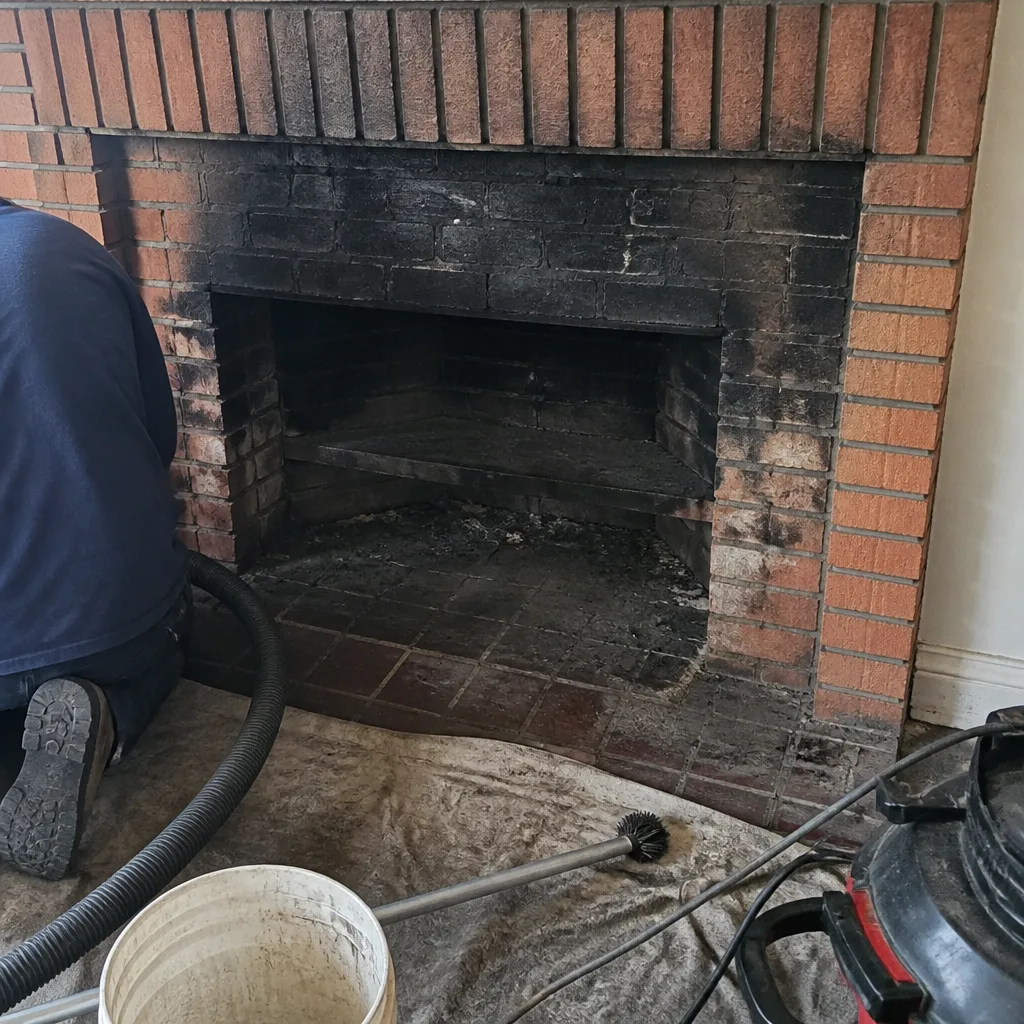
Soot deposits on the firebox face above the opening are a sign of intermittent smoke spillage. Every time the fire struggles to draw, a small amount of smoke exits into the room and deposits soot on the brick or stone above the fireplace opening. If you wipe that soot away and it comes back, the smoke is not a one-time draft irregularity. It is a pattern, and the pattern is telling you the flue is not moving air properly.
Damper discoloration is the metal throat damper above the firebox turning dark, rusted, or warped. The damper sits directly in the flow of heat and smoke when the fireplace is in use. Discoloration by itself is normal over time, but rust or warping on the damper is a moisture signal. Water is getting to the damper from above, which means the chimney’s water protection has failed somewhere.
Wall staining near the flue chase refers to brownish or yellowish staining on interior walls adjacent to or above the fireplace. In a two-story Arleta home, the chimney chase runs through the interior of the house, and a leak inside the chase will eventually telegraph onto the drywall. Staining that appears without a plumbing source directly above it should be checked as a chimney leak until proven otherwise. Moisture inside the chase also rusts the metal flue liner, which is exactly the kind of damage we find when a homeowner has waited to call.
Clean It or Stop Using It: A Decision Framework
Not every warning sign means the fireplace is unsafe to use tonight. Some mean schedule a cleaning when you can. Others mean do not light another fire until a professional has looked at it. Here is how we sort the symptoms.
- Stop using the fireplace immediately if you smell exhaust or gas inside the home, if smoke is rolling into the room while the fire is burning, if there is visible soot accumulation on the firebox face that returns after cleaning, or if you see wall staining near the flue chase. These are ventilation failures, and ventilation failures are how carbon monoxide enters living spaces. Shut the appliance down and call for an assessment.
- Schedule a cleaning but do not panic if you notice a mild campfire smell when the fireplace is cold, if it has been more than 12 months since the last cleaning, if the fire is slower to start than it used to be without visible rollout, or if there is light creosote visible on the flue interior. These are buildup signals that a chimney sweep addresses, and catching them early prevents them from becoming the first category.
- Schedule a repair assessment if you see efflorescence on the brick, spalling brick faces, cracked crown concrete, rusted chase covers, or damper rust. These are moisture and structural signals that cleaning alone will not resolve. The cleaning can happen at the same visit, but the repair is the larger issue.
If you are unsure which category applies, the conservative call is to treat it as category one until you can have it looked at. A chimney that is moving smoke properly does not leave evidence indoors, and the pattern of evidence tells you what is happening in the flue even when you cannot see into it.
Warning Signs Specific to Gas Fireplaces and Inserts
Gas appliances in the Arleta area present a different set of warning signs than wood-burning fireplaces, and homeowners often assume that because there is no creosote, there is nothing to clean. That assumption is wrong on both counts. Gas appliances produce combustion byproducts that deposit inside the venting, and a blocked vent on a gas appliance is more dangerous than a dirty wood chimney because the appliance is often used unattended and burns continuously.
A gas fireplace or insert that has been in service for several years builds a fine, white or gray powder on the interior of the vent. This is not ash. It is a chemical residue from the gas combustion process. When it builds up enough, it restricts the vent opening and changes the draft. The warning signs are the same set as wood fireplaces: pilot outages, a gas smell in the room, and staining above the fireplace opening.
Rust inside the firebox or around the vent connection is a separate warning sign for gas appliances. Gas combustion produces water vapor, and that vapor condenses on the cooler metal surfaces inside the chimney. A properly vented gas flue moves the vapor out. A partially blocked flue holds it, and the vapor sits against the metal. Rust is the result, and it tells you the vent is not moving air the way it should. On gas inserts and direct-vent units, a rusted vent pipe is a replacement-level issue because corrosion eventually perforates the metal and allows combustion gases to leak inside the wall cavity.
Arleta-Specific Factors That Affect Chimney Wear
Chimneys in Arleta weather differently than chimneys in other parts of the country, and the differences matter for what warning signs you are likely to see first.
Our summers are long and hot, with temperatures that regularly climb into the 90s and stay there. That sustained heat bakes the exterior masonry and the concrete crown. Hairline cracks that would stay stable in a milder climate open up faster here, because the materials expand in the heat and contract when the temperature drops at night. A crown that was cracked but stable in January may be noticeably worse by September. Homeowners who see fresh cracking appear over a single summer are not imagining it. The chimney is moving.
The rain we do get tends to arrive in concentrated winter storms rather than spread through the year. A crown that leaked slightly during last year’s storms has had months of dry weather to hide in. Then the next storm arrives and the leak shows itself again, often worse, because the crack has widened in the interim. Efflorescence that appears after a winter storm and fades through the summer is still a leak path. It is not gone just because the brick looks dry.
One more Arleta factor: many homes in the valley were built in the 1950s through the 1970s, which means their chimneys are now decades into their service life. Masonry chimneys from that era often have clay tile liners that were installed without insulation, and those tiles crack under decades of heat cycling. A cracked flue tile is not something you can see from the ground, but it announces itself through the smells and smoke behavior described above. If your home is older and the chimney has never had a camera inspection, the liner is the most likely unknown.
Common Mistakes to Avoid
- Assuming a smoky smell is normal for an older fireplace. It is not. A properly drafting chimney clears smoke out of the house, and a smell that lingers when the fire is out is evidence of buildup or restriction. Older fireplaces still have to vent correctly.
- Cleaning soot off the firebox face and forgetting about it. The soot returns because the smoke is still spilling. The soot is the message, not the problem. Wiping it away without addressing the flue is like silencing a smoke alarm instead of finding the fire.
- Ignoring efflorescence as a cosmetic issue. White staining on brick is a water signal, not an aesthetic one. Water moving through masonry damages the flue from the outside in, and the damage is more expensive than the repair would have been.
- Waiting to clean until the fireplace is smoking badly. By the time smoke is visibly rolling into the room, the creosote layer is usually substantial and the fire risk is elevated. Annual cleaning keeps the flue clear before it reaches the point of visible failure.
- Treating gas fireplaces as maintenance-free. Gas appliances have venting that clogs with residue and rusts with moisture, and a blocked vent is a carbon monoxide pathway. Gas chimneys need inspection on the same schedule as wood chimneys.
- Using the fireplace after a pilot outage keeps repeating. Repeated pilot failure means the vent is not drawing, and running a gas appliance with an unstable vent puts combustion gases where they should not be. The thermocouple is not always the culprit.
When to Call a Professional
Call a professional when any of the serious warning signs appear: smoke inside the room, a gas or exhaust smell, wall staining near the chase, repeated pilot outages, or spalling brick you can see from the ground. These are not cleaning-level issues, and they will not resolve on their own. They are structural and ventilation problems that require inspection, diagnosis, and in many cases repair. Call before you use the fireplace again, because the next fire can add a chimney fire or a carbon monoxide incident to the existing damage. Chimney Sweep Arleta offers free estimates in Arleta – call (833) 958-9616. We answer 24/7. Fast dispatch from 7am to 7pm, Sunday through Friday.
Frequently Asked Questions
You need a cleaning if the fireplace has not been swept in over 12 months, if you can smell a campfire odor when the fire is cold, if soot is building up visibly on the firebox face, or if smoke spills into the room when you burn. Any one of these is a cleaning signal, and together they mean the flue has a layer of creosote that should come out before the next fire. Call (833) 958-9616 for a free estimate on getting it swept.
Creosote smells like a sharp, acrid, concentrated campfire smell that hangs in the air even when the fire is out. It is strongest on humid days and often noticeable near the fireplace opening before you smell it elsewhere in the room. The stronger the smell, the thicker the creosote layer usually is, and thicker layers are where chimney fires start.
White staining on chimney brick is efflorescence, which forms when water moves through masonry and leaves mineral deposits on the surface. It means your chimney is taking on water somewhere, usually through the crown, the flashing, or the brick itself. The staining is a leak indicator, not a stain to scrub off, and the leak is the thing to fix.
Smoke coming into the room instead of going up the flue is almost always a chimney problem. In rare cases it is caused by negative air pressure from exhaust fans or tightly sealed homes, but in the vast majority of cases the flue is restricted by creosote, a nest, or a damper issue. In Arleta’s mild winters, temperature-related draft problems are uncommon, which makes restriction the most likely cause. Get it inspected before burning again.
A wood-burning chimney should be swept at least once per year, and more often if you use the fireplace as a primary heat source or burn unseasoned wood. A gas fireplace should have its venting inspected at least annually for residue and corrosion. The annual schedule is a fire prevention standard, not a convenience, and it catches buildup before it becomes a warning sign.
Creosote builds up in layers each time you burn, and a thick creosote layer is the fuel source for a chimney fire. Chimney fires can crack flue tiles, melt metal liners, and ignite surrounding framing. Even without a fire, a blocked flue pushes carbon monoxide back into the living space. Skipping cleaning means the risk compounds with every fire, and the repair bill after damage is always higher than the sweep would have been. Call (833) 958-9616 for an exact quote – estimates are free.
The Bottom Line
Chimney warning signs are specific, readable, and consistent. The smell of smoke indoors means restriction, white staining outside means water, and soot returning to the firebox face means the flue is not drafting. None of these are normal quirks of an older fireplace. None of them resolve without intervention. Most are inexpensive to address when caught early and expensive when ignored. The decision framework comes down to one question: is the chimney still moving smoke and water the way it was designed to? If the answer is not an obvious yes, stop burning and get it looked at. The next fire is the one that tells you what the warning signs already said.
Written by the team at Chimney Sweep Arleta, serving Arleta since 2017.
See the difference
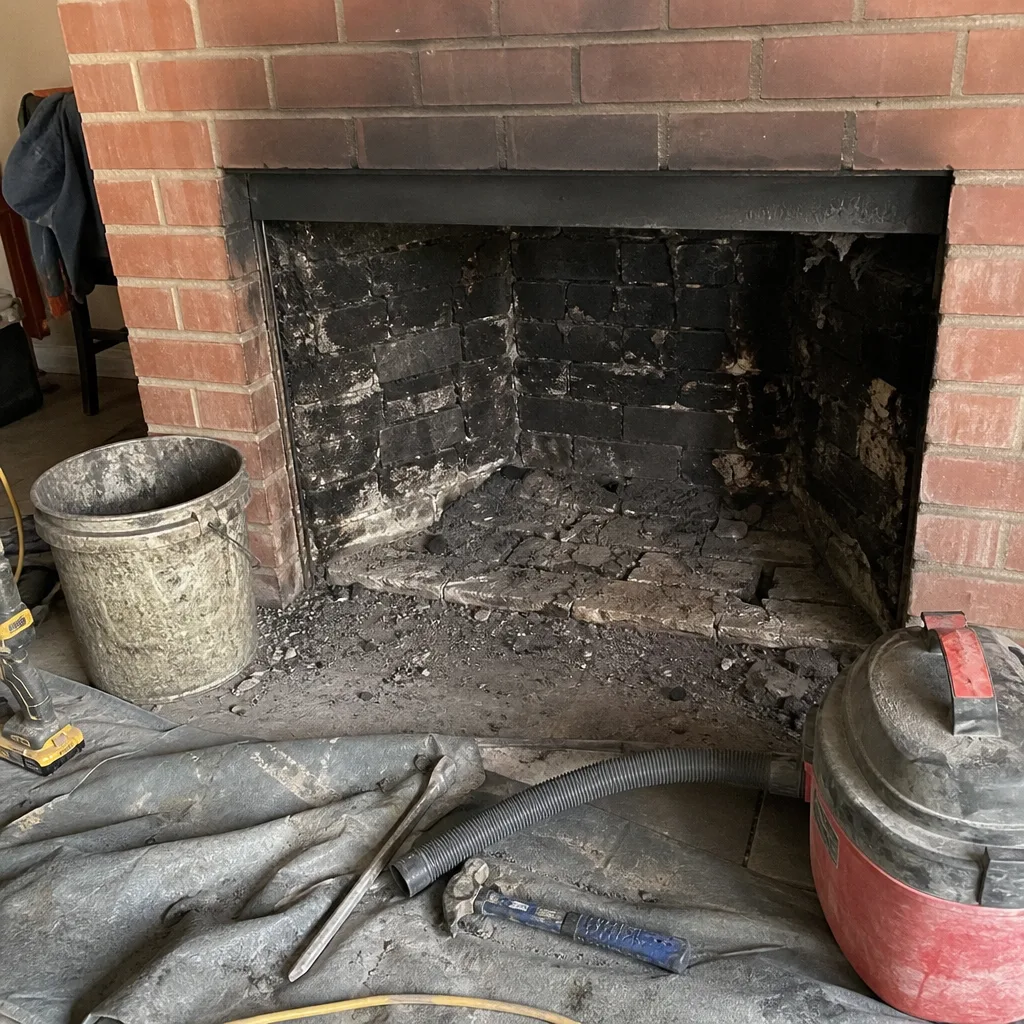 Before
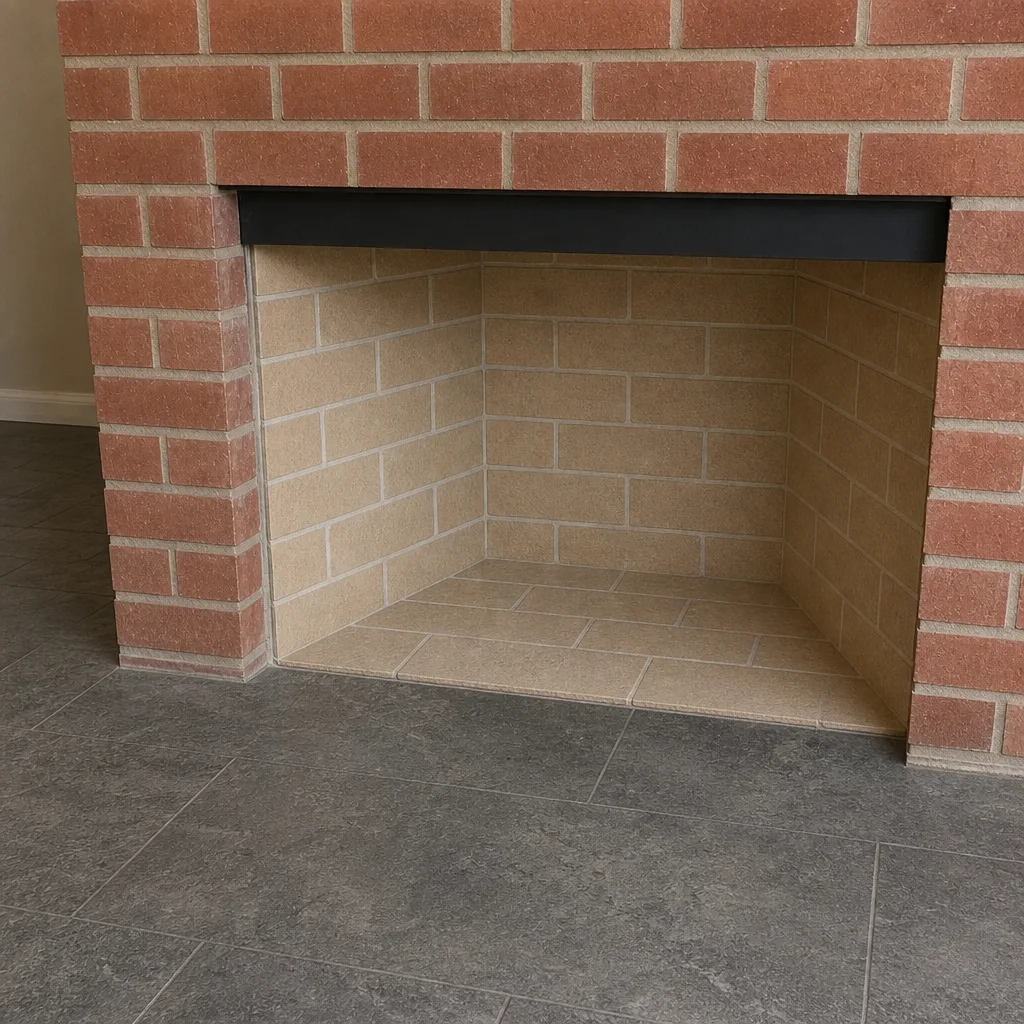 After
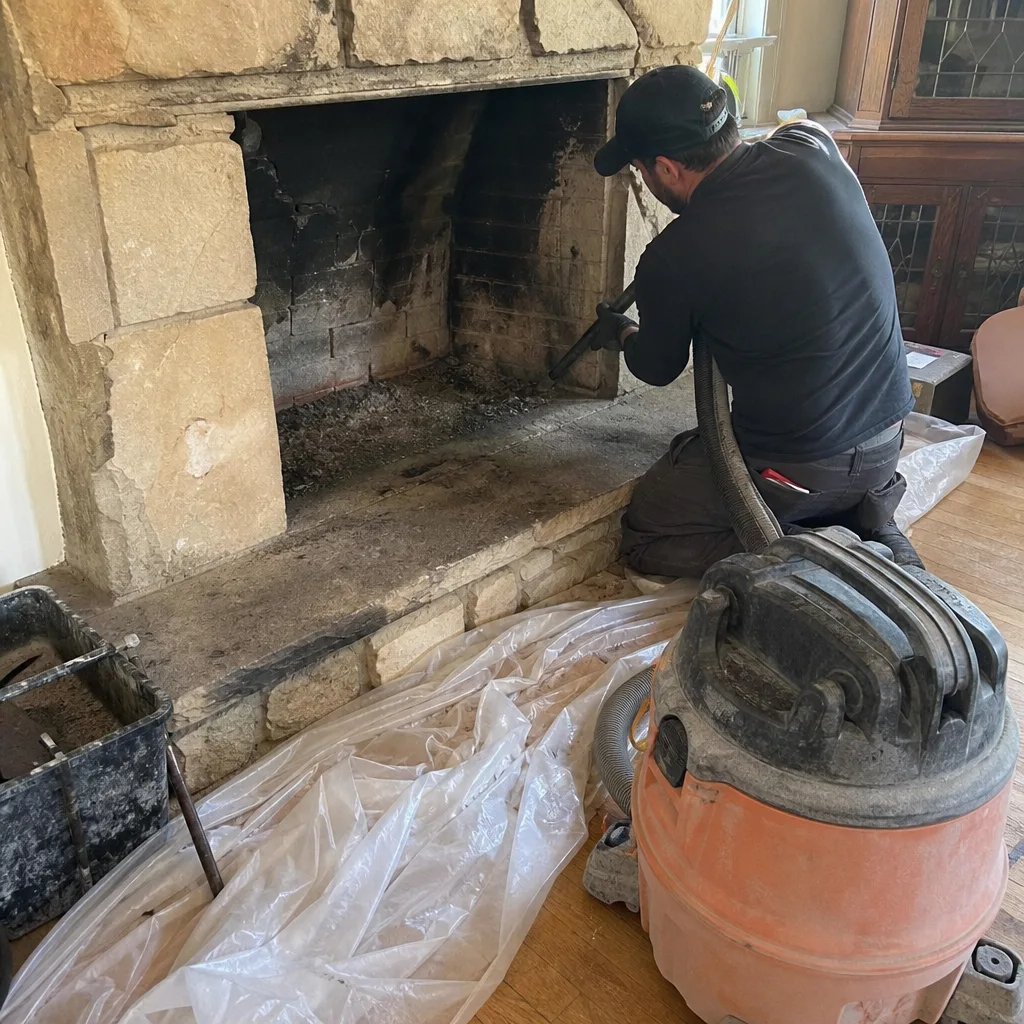 Before
 After
 Before
 After