
Last updated November 4, 2026
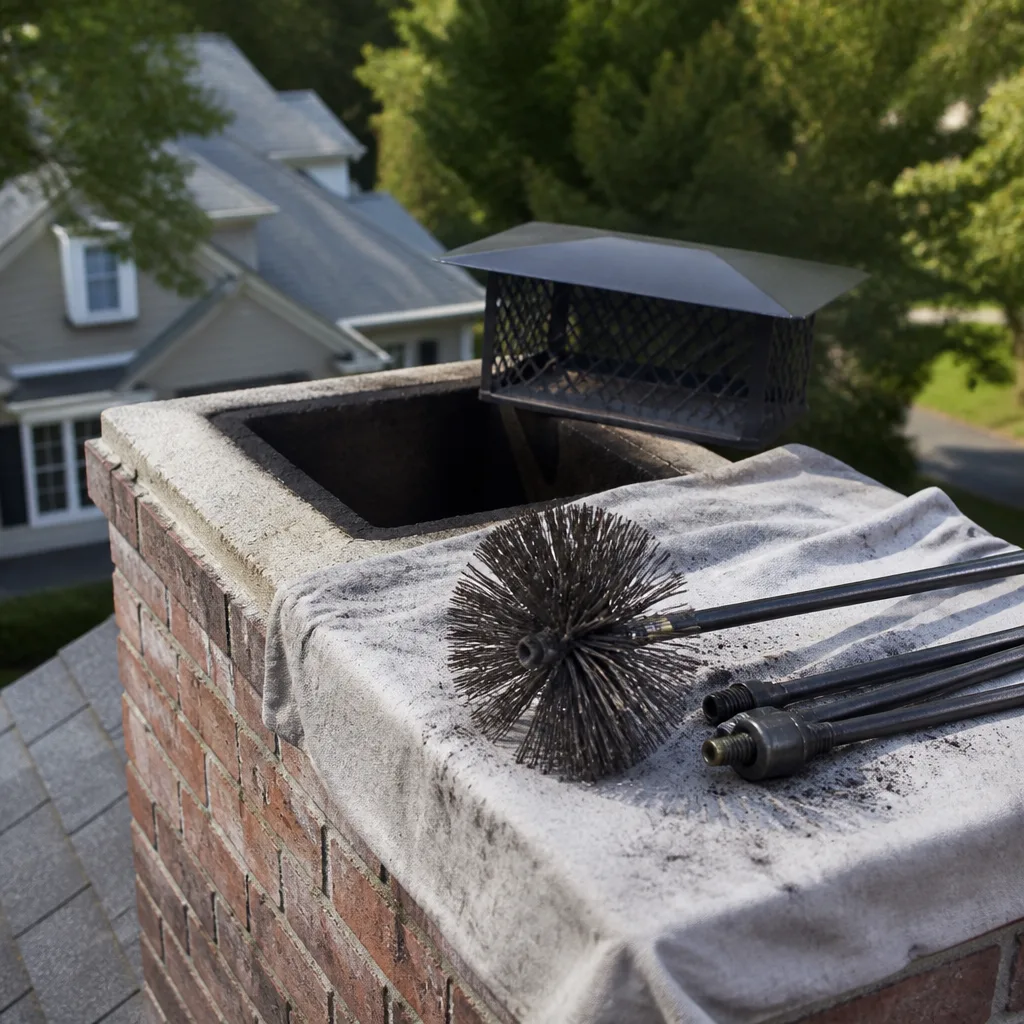 Sweep & inspection
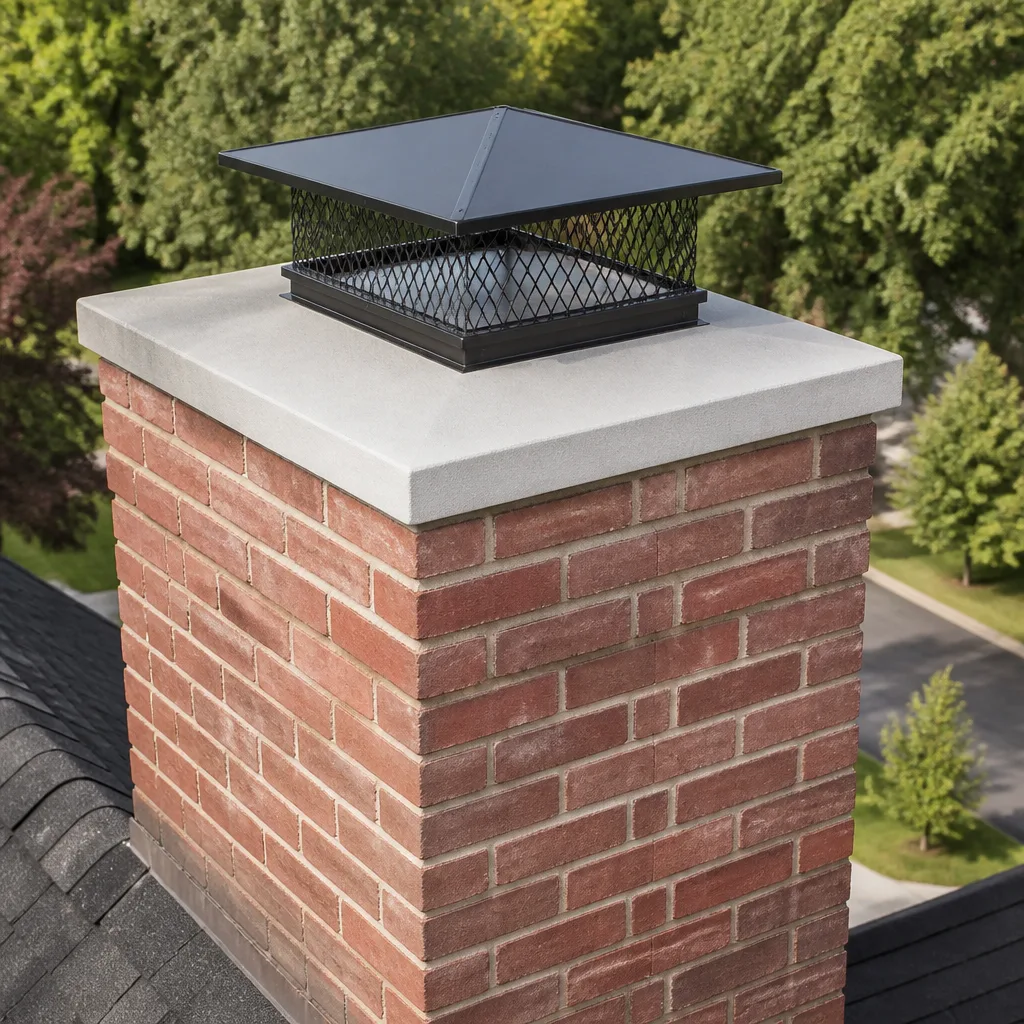 Caps & crowns
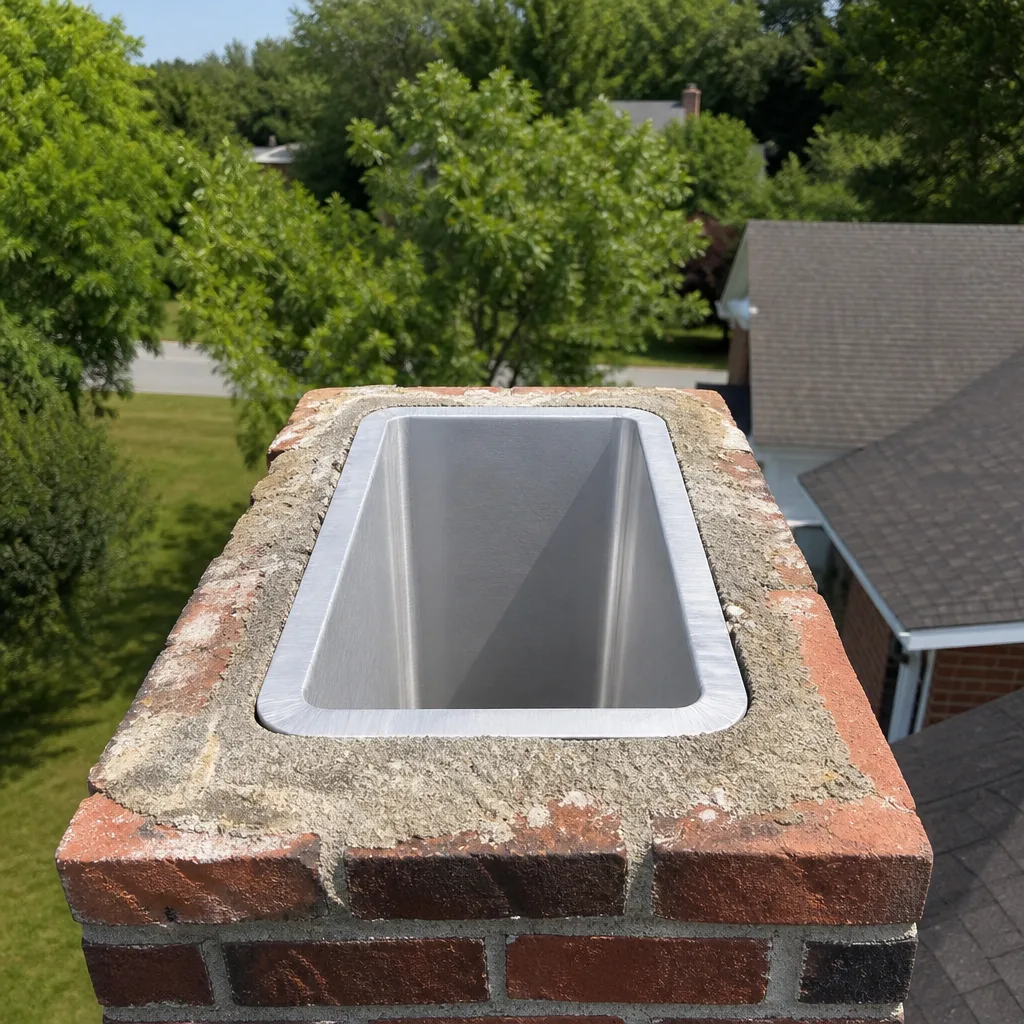 Flue relining
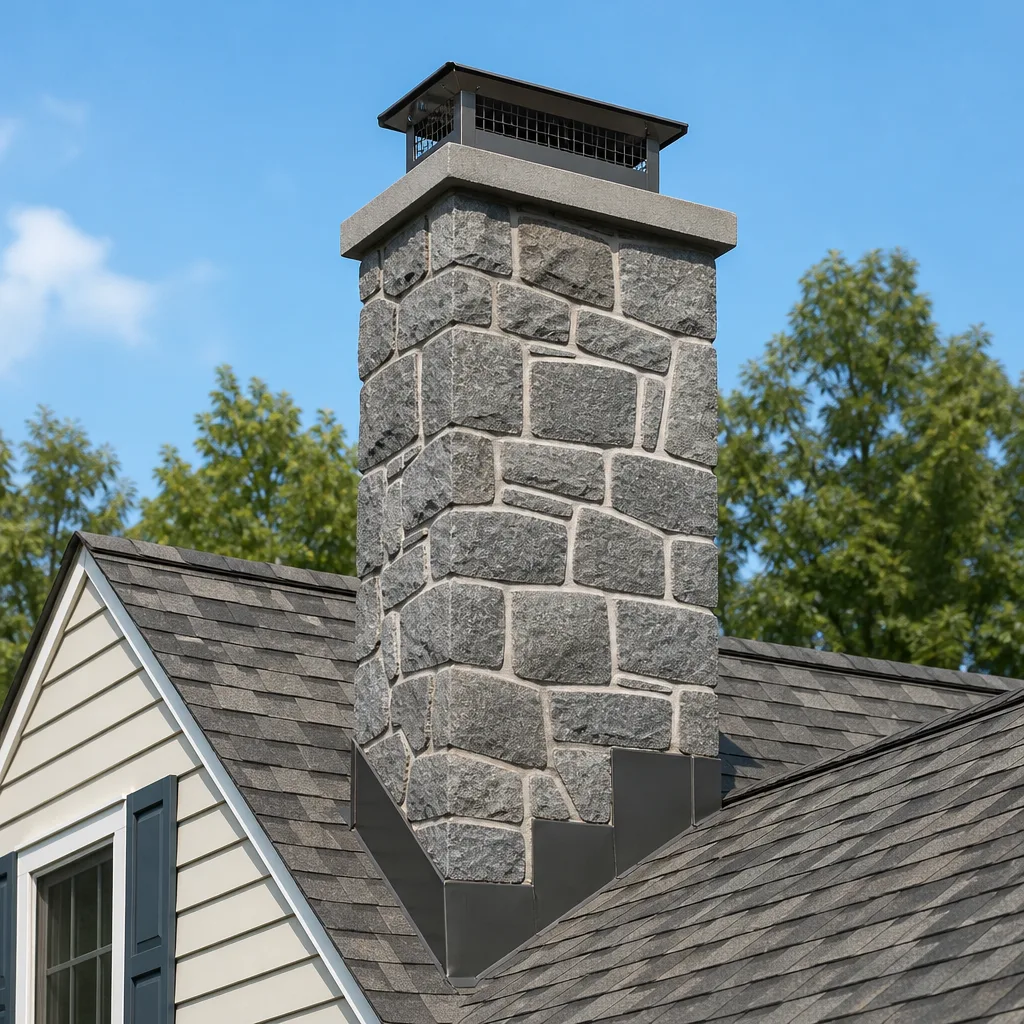 Masonry repair
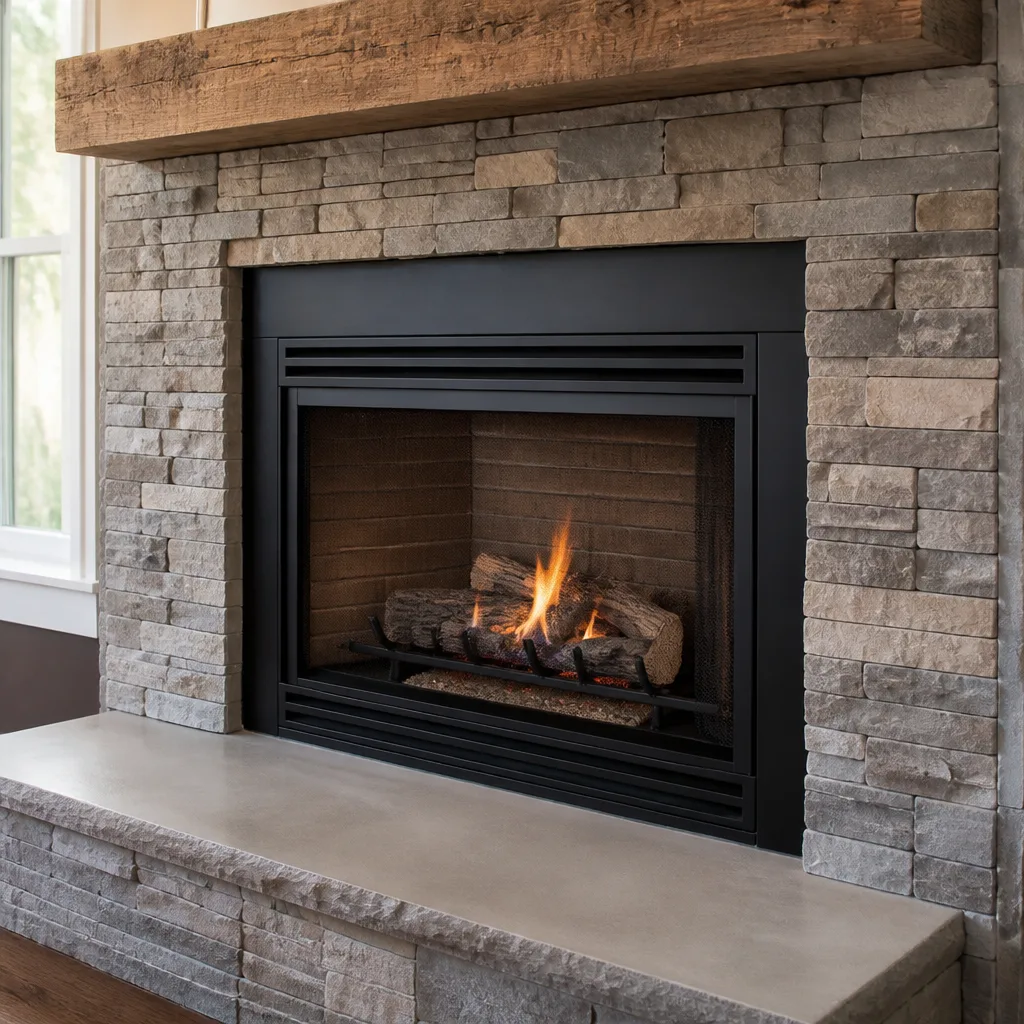 Gas fireplace service
Level 1 sweep and inspection to the NFPA 211 annual standard - flue, crown, cap, and flashing checked and photographed
Chimney sweep logs do not sweep chimneys. They loosen some creosote - which then falls where a brush and vacuum still have to collect it.
Chimney Sweep Maintenance Schedule: What to Do and When
Most Arleta homeowners have been told the same thing: sweep the chimney once a year and you’re done. That advice is incomplete. A single annual visit treats your chimney like a fixed object, but a chimney is a working system that changes with every fire you burn, every windstorm that crosses the valley, and every season of use or neglect. The schedule that actually protects your home depends on what you burn, how often you burn it, and how old your flue is. This guide lays out a month-by-month maintenance framework built around real use patterns in Arleta, so you know exactly what to check, when to schedule professional work, and when a visual inspection from the ground is genuinely enough.
Styles & brands we work with
- Sweep & inspection
- Caps & crowns
- Flue relining
- Masonry repair
- Gas fireplace service
Quick Answer
A wood-burning fireplace that sees regular winter use should be professionally swept once per year, and twice per year if you burn more than two cords or notice rapid creosote buildup. Gas fireplaces need a professional inspection every two years, pellet stoves need annual cleaning based on tonnage burned, and every chimney regardless of fuel type needs a crown, cap, and flashing check at least once a year, ideally after the windy season in Arleta. If your liner predates 1990, you’re already behind schedule and should get a Level 2 inspection before your next fire.
Table of Contents
- What to Do and When: A Seasonal Calendar
- Cleaning Intervals by Fuel Type
- Level 1 vs. Level 2 Inspection: What Each Covers and When You Need It
- Crown, Cap, and Flashing: The Annual Check Everyone Skips
- Keeping a Chimney Maintenance Log
- What to Watch for Between Scheduled Sweeps
- Why Your Dryer Vent Deserves a Spot on the Same Schedule
- Common Mistakes to Avoid
- When to Call a Professional
- Frequently Asked Questions
- The Bottom Line
What to Do and When: A Seasonal Calendar
Arleta’s mild winters mean two things. First, you won’t face freeze-thaw damage to your masonry, which is a real problem in colder climates and a non-issue here. Second, the burning season is shorter and less intense, but the wind season is not. Santa Ana winds push debris, fine dust, and airborne grit into exposed chimney crowns and caps between September and February. A maintenance schedule that ignores the valley’s wind patterns misses the most common source of slow chimney damage in this area.
Here is the month-by-month framework we recommend for Arleta homes:
- September (pre-season check): Look up at your chimney from the ground. Check for missing cap, visible cracks in the crown, or nests at the flue opening. This is the month to book your pre-season sweep if you burn wood. Creosote from last season has had months to harden, and hardened creosote is the most difficult stage to remove.
- October (system review): Before the first fire, run through your fireplace basics: damper opens and closes smoothly, glass doors seal properly, and you can spot no daylight through the mortar joints when viewing the chimney from outside. If anything looks off, resolve it now rather than burning around the problem.
- November through February (burning season): Burn well-seasoned wood only, keep your fires hot and brief rather than damped-down and smoldering, and watch for any white smoke that lingers at the top of the chimney. That smoke is burning off creosote and signaling the flue is not drafting the way it should. A small, hot fire drafts better than a large, smoldering one.
- March (post-season assessment): After the last fire of the season, book a cleaning if you burned regularly. The post-season sweep in Arleta matters more than the pre-season one for one simple reason: it clears out the deposits while they’re still fresh and before the Santa Ana winds of the following fall have a chance to force windblown sand and grit into the flue and mix it with leftover creosote. That gritty combination can accelerate wear on clay liners.
- April through May (crown and flashing inspection): After the March winds settle, you can clearly see what the season did to your chimney. Walk around the house and look for hairline cracks in the crown, shifted flashing at the roofline, or any discoloration that suggests water has been finding a path where it shouldn’t. In mild climates like Arleta’s, the number one threat to a chimney is not ice, but water intrusion through a failing crown or flashing. Small cracks widen over time, even without freeze-thaw.
- June through August (repair window): This is the ideal stretch in Arleta for structural work: liner installation, crown repair, or flashing replacement. The weather is dry, fall burning is still months away, and you can complete the job without the rush of the pre-season crunch. Scheduling repair work in the off-season gives you the pick of dates rather than waiting for an emergency opening in November.
This is the schedule we work from when advising Arleta homeowners. It’s not arbitrary; it follows the rhythm of the local climate, not a generic national checklist.
Cleaning Intervals by Fuel Type
The most common error in chimney maintenance is treating all fuel types the same. A gas log set and a wood-burning fireplace produce entirely different deposits on entirely different timelines. Here is the breakdown:
Wood-burning fireplace
- Cleaning interval: Every 1 to 2 cords of wood burned, or once per year, whichever comes first. If you burn more than two cords in an Arleta winter, sweep twice per season: once mid-season and once after the last fire.
- What builds up: Creosote, in varying stages. Stage 1 is flaky and easy to remove. Stage 3 is a hardened glaze that requires mechanical removal and sometimes chemical treatment first.
- Why the interval matters: Creosote is the fuel for chimney fires. It does not go away on its own. It accumulates, and each layer is the base for the next. A fireplace that slides two seasons without a sweep is not just overdue, it’s carrying a deposit that may have reached the point where a single hot fire could ignite it.
Gas fireplace
- Cleaning interval: Every 2 years for a professional inspection and cleaning, though annual visual checks by you are wise.
- What builds up: Soot, dust, and in some cases a white powdery residue from the combustion process. Gas fireplaces do not produce creosote, but they can produce soot if the air-to-fuel ratio is off, and they can trap dust and debris in the ventilation path.
- Why the interval matters: Because gas flames are clean and steady, homeowners often assume nothing needs attention. But a gas log set with a partially blocked burner or a venting path restricted by accumulated dust can put carbon monoxide into the living space, not up the flue. A two-year professional check is the right balance for safety without overservicing.
Pellet insert or stove
- Cleaning interval: Annually, or every 1 to 2 tons of pellets burned. Pellet appliances have more mechanical components than a traditional fireplace: auger, combustion blower, exhaust pathways.
- What builds up: Ash and fine particulate, plus soot on the exhaust side. Pellet appliances also accumulate a harder, glass-like residue on the inside of the burn pot and exhaust passages over time.
- Why the interval matters: Pellet stoves in Arleta are less common than wood or gas, but the maintenance burden is higher per unit of heat produced. A pellet stove that runs consistently through a valley winter can accumulate enough exhaust-side buildup in a single season to reduce efficiency measurably and to create a fire hazard in the exhaust path. Annual cleaning is not optional; it is the manufacturer’s standard.
Level 1 vs. Level 2 Inspection: What Each Covers and When You Need It
Most homeowners have never had the correct level of inspection for their situation, because most have never been told there is more than one level. The National Fire Protection Association defines three levels of chimney inspection. The first two are what matter for nearly all residential properties in Arleta.
Level 1 inspection
A Level 1 inspection covers the readily accessible portions of the chimney: the fireplace, the damper, the visible interior of the flue from above and below, and the exterior structure at the roofline. It is the right choice when you are on a regular maintenance schedule, when nothing has changed about your system since the last inspection, and when you burn the same fuel in the same appliance as you always have. A Level 1 inspection is typically done alongside a standard chimney sweep.
Level 2 inspection
A Level 2 inspection includes everything in Level 1, plus access to the flue interior via camera, and often a closer look at accessible attic, crawlspace, and roof areas around the chimney chase. This is the inspection you need when:
- You’ve purchased a new home or are preparing to sell one.
- The chimney has suffered storm damage, impact, or event-related stress.
- You are changing fuel type, such as converting from wood to gas inserts.
- The home has had a chimney fire.
- You cannot remember the last time anyone actually looked inside the flue.
If your liner predates 1990, ask for a Level 2 inspection before your next burning season. Liners from that era, especially clay tile liners in Arleta homes built during the valley’s major residential expansion, often show hidden cracking that only a camera inspection reveals. A cracked liner is not a cosmetic problem. It is an open pathway for heat and combustion gases to reach combustible framing.
When we inspect a chimney, the standard we use is material-specific. We can install a DuraFlex liner if the camera shows a flue that has outlived its service life, or we can recommend resurfacing if the damage is limited to internal flue deterioration rather than structural failure. You should know the difference because one costs significantly less than the other, and a homeowner who can see the camera footage is a homeowner who can make an informed decision.
Crown, Cap, and Flashing: The Annual Check Everyone Skips
A chimney sweep cleans the flue. That is the core of the service. But the flue is only one part of a chimney, and the parts that fail most often in this climate are the ones a sweep-only crew may note on a report and then walk away from. In Arleta, where the real enemy is wind-driven water intrusion rather than ice, the crown, cap, and flashing deserve their own place on your annual checklist.
The crown
The crown is the concrete or mortar slab that caps the top of the chimney, sealing the masonry from the weather. A small crack in the crown is like a small leak in a roof: water finds the path, and time does the rest. In a climate without snow or ice, a hairline crack in a chimney crown may not widen from thaw cycles, but it will widen from wind-driven rain and from the slow settling of the masonry below. Check the crown from the ground or from a ladder if you are comfortable doing so. Look for any visible crack, any area where the crown surface has begun to chip, or any section where the crown has separated from the flue tile.
The cap
The cap is the metal cover that sits over the flue opening, keeping rain, birds, and debris out. A missing or damaged cap is a common finding in Arleta homes, and it is not a minor issue. When a cap goes missing, the flue is open to the elements, and in this valley, the elements include windblown leaves, nesting birds, and the fine grit that Santa Ana winds carry for days at a time.
The flashing
The flashing is the sheet metal that seals the joint where the chimney passes through the roofline. When flashing fails, the result is not a visible leak in the living room. It is a slow, persistent water path that stains the chimney chase, rots the roof deck, and eventually shows up as staining on interior ceilings or walls. Inspect the flashing from the roof if it is safely accessible, or from the ground with binoculars. Look for lifting, rust, or separation from the masonry.
These three components fail on their own schedule, independent of the flue. If you wait for a sweep to find them, you may wait years between findings. A self-check every spring in Arleta is enough to catch most problems before they become structural.
Keeping a Chimney Maintenance Log
Most homeowners cannot tell you the last time their chimney was swept, what the creosote level was, or whether the liner had any notation on the last inspection. This is not because they are neglectful. It is because chimney maintenance records live in the memory of whoever was standing in the living room when the technician gave the verbal summary, and that memory fades.
A maintenance log solves this. It is a one-page record you keep with your home documents, and it is useful for three reasons: insurance claims, home resale, and your own decision-making.
Here is how to set one up, kept simple:
- Create a single sheet or document titled “Chimney Maintenance Record.” Keep it with your other home systems documentation: water heater, HVAC, roof. If you sell the home, this sheet goes to the next owner and demonstrates that the system was maintained.
- Log every professional visit with four fields: date, service performed (sweep, inspection, repair), fuel type assessed, and the technician’s findings. Write the findings in plain language. “Stage 2 creosote, moderate,” is enough.
- Add a liner condition note every time the flue is camera-inspected. If the liner is clear and intact, write that. If there are notes about cracking, spalling, or joint separation, write those too. This is the single most valuable piece of information for insurance adjusters and home inspectors.
- Record any repairs with the material used. If the crown was sealed, note the product. If a new liner was installed, note that it was a DuraFlex system and the general date of installation. This level of specificity separates a maintained chimney from a neglected one in the eyes of a future buyer.
- Set a reminder for next season’s check. A calendar entry in September that says “chimney check” is more effective than a resolution to remember. Pair it with the reminder to run the first test fire before the evenings cool down.
This log does not need to be elaborate. A half-page of notes per year is enough. But that half-page, kept consistently over the life of the home, is the difference between knowing your chimney’s condition and guessing at it.
What to Watch for Between Scheduled Sweeps
Between scheduled professional visits, there are specific signs that signal a chimney needs attention sooner. Each of these is a reason to make the call rather than wait for the next annual check.
- White smoke at the chimney top during a fire: This is not steam. It is creosote burning off, and it means the flue is carrying more creosote than it should be for the amount of combustion occurring. A small amount on a cold morning is one thing; persistent white smoke during a well-established fire is a reason to stop burning and schedule a sweep.
- A smell of smoke in the house when the fireplace is not in use: This typically means air is being drawn down the chimney and into the living space, carrying the odor of accumulated creosote with it. It is most noticeable on cool mornings and evenings. The fix is usually a cleaning, not an air freshener.
- Soot falling into the fireplace between burns: If you find black flakes in the firebox when you have not had a fire for days, the flue is shedding material. That material is coming from somewhere, and the somewhere is usually a layer of creosote that has dried and loosened. It is time for a sweep.
- Water staining on the ceiling or walls near the chimney: This is a flashing or crown problem, not a flue problem, and it will not get better on its own. In Arleta, water intrusion through the crown is the most common structural issue we see on older masonry chimneys. The sooner it is caught, the less masonry repair is required.
- A damper that no longer closes or opens fully: A damper that sticks, rusts, or no longer seals will let heated air escape in winter and let outside air in during summer. It is a simple repair in most cases, but it is not a repair you should make with a hammer and a prayer; the damper sits in the path of your flue gases when open, and a failing damper can get you carbon monoxide in the house.
None of these signs require an emergency call in the middle of a fire. But each is a reason to write it down, stop burning until it is resolved, and schedule an inspection at the next open dispatch slot. We answer 24/7. Fast dispatch from 7am to 7pm, Sunday through Friday.
Why Your Dryer Vent Deserves a Spot on the Same Schedule
A chimney is not the only combustion-venting system in your home. Your clothes dryer is also a fire-safety system, and it is often the one that gets ignored because it lives in a laundry room rather than a living room. In our experience across Arleta, we find that most homeowners have never had their dryer vent professionally inspected, even when they are diligent about chimney maintenance.
The cleaning interval for a dryer vent cleaning depends on household laundry volume. A household of four doing daily laundry should have the vent cleaned every 12 to 18 months. A single person or a couple with lighter laundry volume can stretch that to 24 months. The warning signs are familiar: clothes taking longer to dry, the dryer running hot to the touch, the laundry room feeling warmer than it used to, or a burning smell during a cycle. Each of those is a sign of restricted airflow, and restricted airflow is the condition that lets lint accumulate to the point of ignition.
The advantage of pairing the dryer vent on the same service schedule as the chimney is practical. One provider can inspect both, note both in the same maintenance log, and give you a single record for your home systems. We built Chimney Sweep Arleta around this full-venting scope because the same standards that apply to a flue apply to a dryer vent: the airflow path must be clear, the materials must be sound, and the integrity of the entire run matters, not just the part you can see from the laundry room.
Common Mistakes to Avoid
- Treating “once a year” as a fixed law. The annual interval is a useful baseline for a wood fireplace under average use. If you burn more than two cords, burn unseasoned wood, or have an older liner, you are outside the average, and your schedule should reflect that.
- Skipping the post-season sweep. Arleta’s wind season leaves fine grit and debris in and around the chimney. Sweeping in March, after the last fire and before the spring winds settle in, removes creosote while it is still relatively soft and prevents windblown grit from adhering to it over the summer.
- Skipping the crown and flashing check because the flue was swept. A sweep cleans the inside. The outside components fail independently, and in this climate, they are the most common source of slow masonry deterioration.
- Burning pine or construction lumber because it is cheap. Softwoods and dimensional lumber produce more creosote per fire than well-seasoned hardwoods. The savings at the wood pile show up later as a heavier, harder creosote layer in the flue.
- Ignoring dryer vent maintenance entirely. A dryer vent clogged with lint is a leading residential fire risk, and it is rarely inspected because it lives behind the dryer where no one thinks to look. If you are keeping a chimney maintenance log, add the dryer vent to it.
- Treating a gas fireplace as maintenance-free. The lack of creosote does not mean the lack of risk. Gas appliances can produce soot if the burn ratio is off, and a blocked or restricted vent path can put carbon monoxide into the home. A two-year inspection is the standard, not the optional extra.
When to Call a Professional
A professional is warranted when you see persistent white smoke from the chimney top, smell smoke in the house between fires, find water staining near the chimney chase, or when you cannot remember the last time the flue was actually inspected with a camera. The dividing line is not whether you are handy enough to look; it is whether you have the right equipment and training to interpret what you are seeing. A camera inspection of an older clay liner is not a DIY job, and neither is a crown repair or a liner installation. Chimney Sweep Arleta offers free estimates in Arleta, and every inspection includes a photo report of what the camera sees. Call (833) 958-9616. We answer 24/7. Fast dispatch from 7am to 7pm, Sunday through Friday.
Frequently Asked Questions
A standard chimney sweep in the Arleta area typically runs from $180 to $350 depending on the fuel type, the level of inspection, and the amount of creosote present. A Level 2 camera inspection adds to that range. The written estimate we provide sets the final price, and the estimate is free. Call (833) 958-9616 for an exact quote.
A wood-burning fireplace used regularly through the winter should be swept once per year, with a second sweep mid-season if you burn more than two cords. Gas fireplaces need a professional inspection every two years, and pellet appliances need annual cleaning. If you are not sure where your system falls, call (833) 958-9616 and describe your usage; we will tell you what makes sense and give you a free estimate.
A Level 2 inspection with a camera is the only way to see the condition of the flue interior, especially in older Arleta homes with clay tile liners. If you have never had one, if you just bought the home, or if you are changing fuel type, the answer is yes. If you are on a regular maintenance schedule and nothing has changed, a Level 1 is appropriate. The camera tells you what a visual check cannot.
Skipping a year on a wood-burning fireplace means creosote continues to accumulate, and creosote is the fuel for chimney fires. On a gas fireplace, skipping a year may not create a creosote problem, but it can allow a slow soot or venting issue to go unnoticed and put carbon monoxide into the home. The risk is not theoretical; it is a function of what you burn and how often. A quick call to (833) 958-9616 gets you a free estimate and a clear answer for your specific situation.
Yes. Lint accumulation in a dryer vent is a leading cause of residential fires, and the danger is concentrated in the vent path behind the dryer where it is not visible. We treat dryer vent cleaning as a core service, not an afterthought. The recommended interval is every 12 to 24 months depending on household laundry volume.
We install and repair with professional-grade materials, by name. That includes DuraFlex liner systems for flue relining, HeatShield for resurfacing deteriorating flue interiors, and components from Olympia Chimney, Famco, and Copperfield as the job requires. These are the same brands professional chimney supply houses stock, and you are welcome to look up exactly what is going into your chimney before we start.
The Bottom Line
A chimney maintenance schedule is not one date on a calendar. It is a pattern: a pre-season check, a mid-season eye on what is coming out of the flue, a post-season cleaning, and an off-season window for structural work. In Arleta, that pattern follows the valley’s wind season and its mild, dry summers, not a generic national checklist. Fuel type determines your cleaning interval. System age determines your inspection level. And the crown, cap, flashing, and dryer vent all have their own schedules that run parallel to the flue. If you document what you see and act on the signs rather than waiting, your chimney will not be a mystery; it will be a system you understand.
Written by the team at Chimney Sweep Arleta, serving Arleta since 2017.
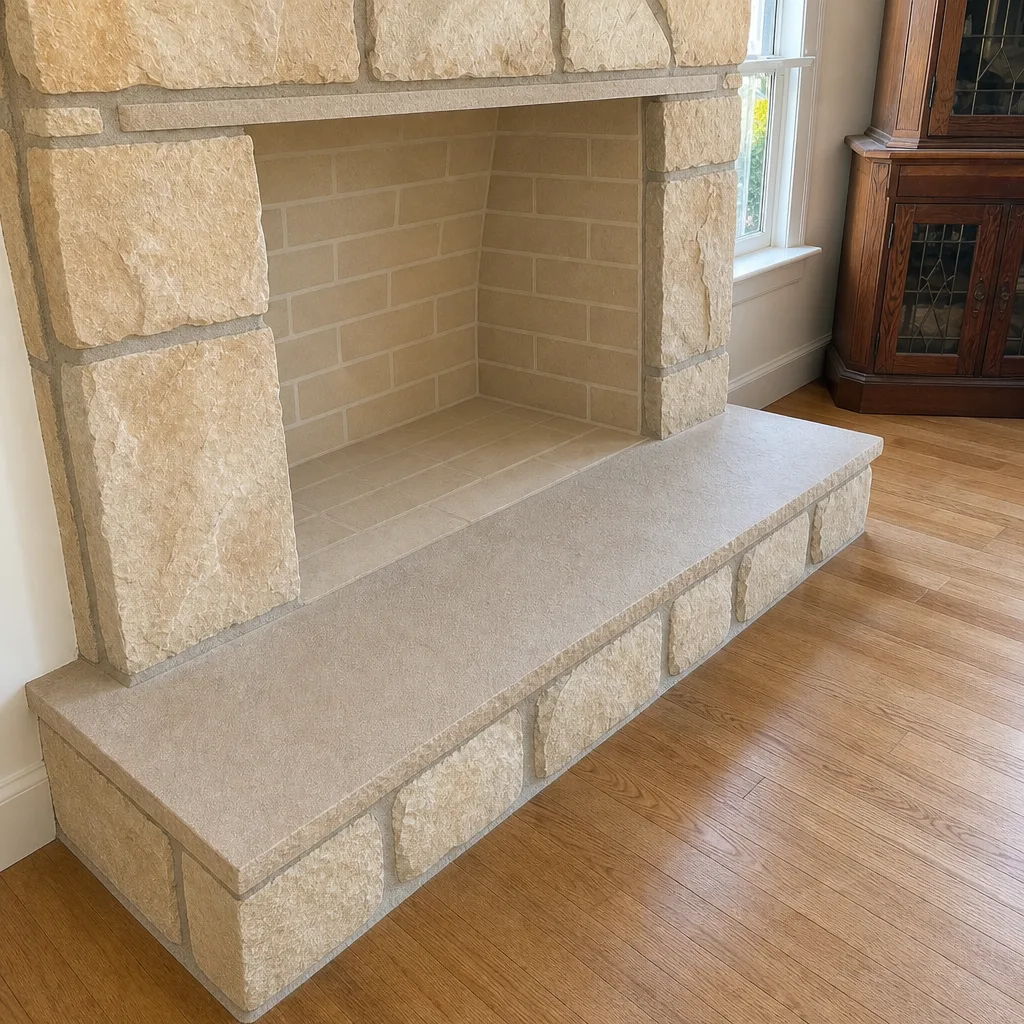
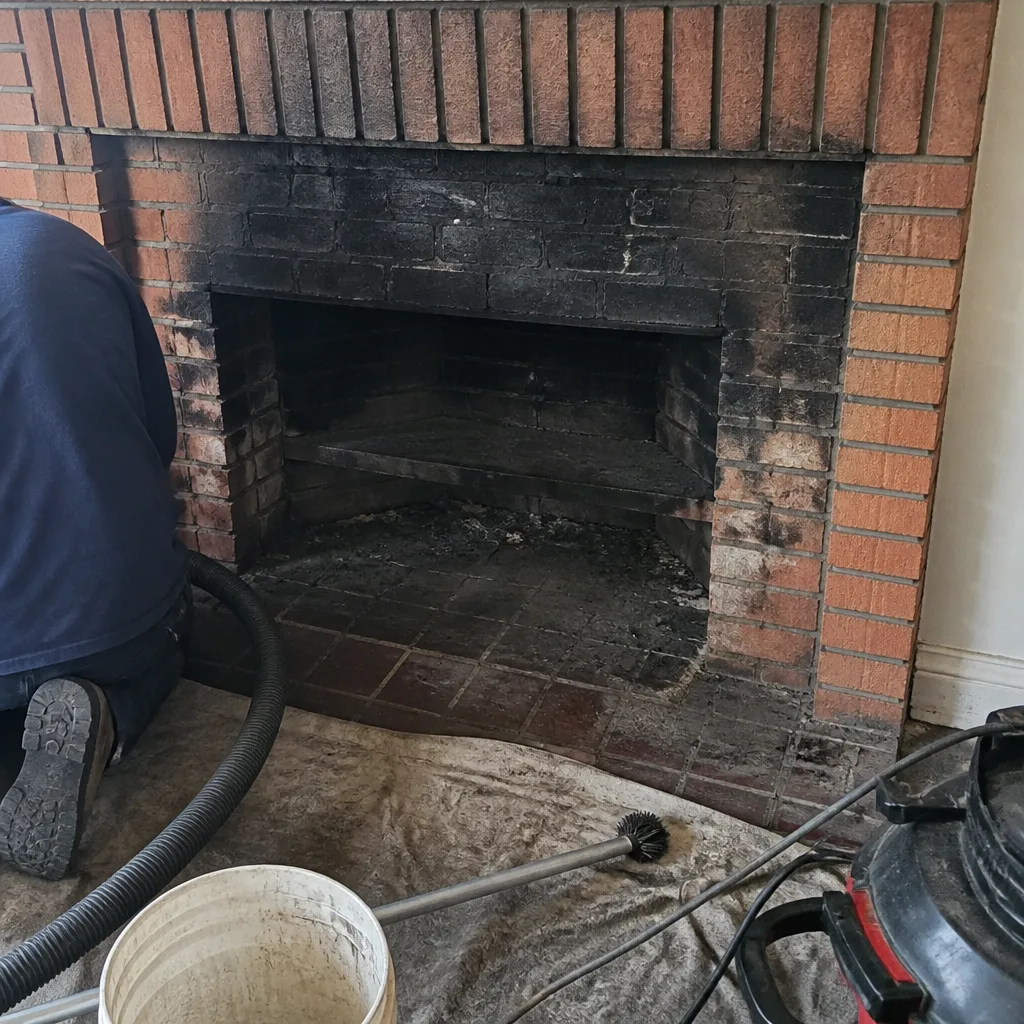
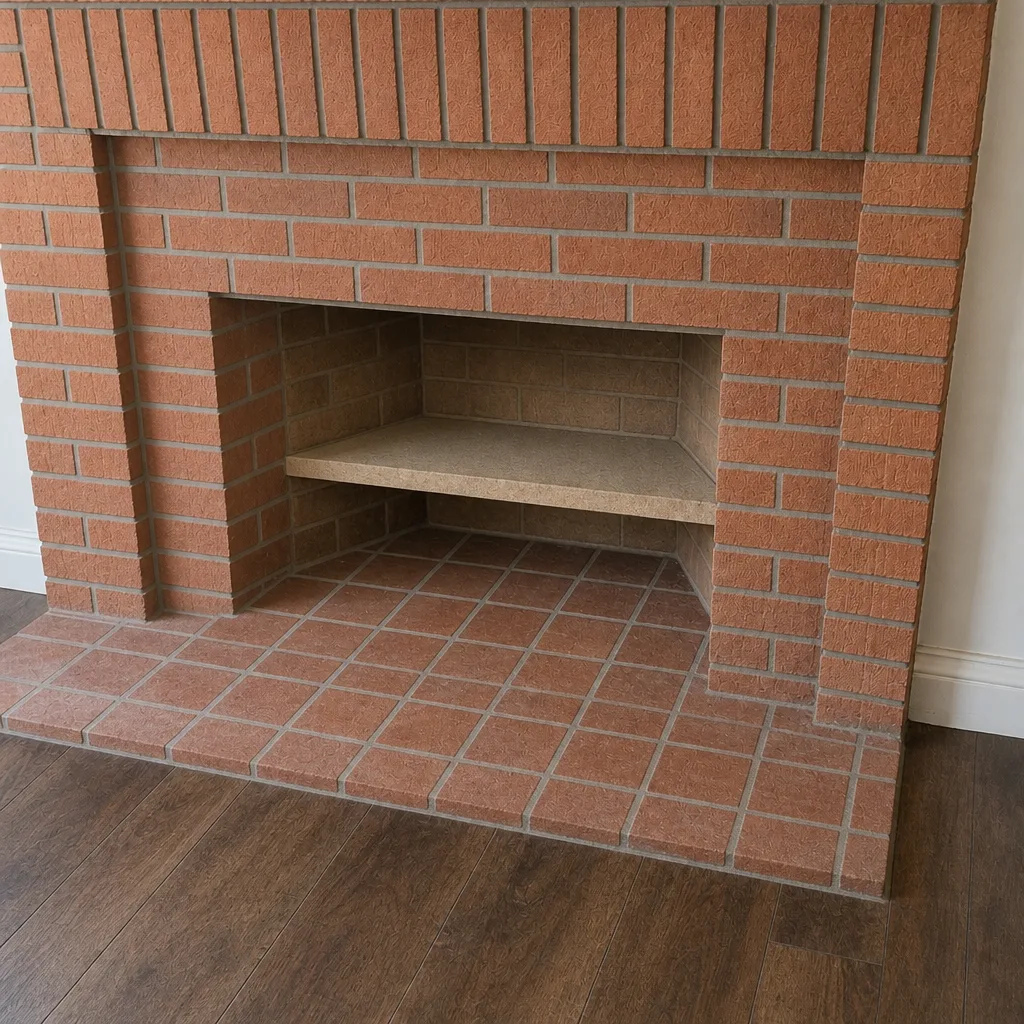
See the difference
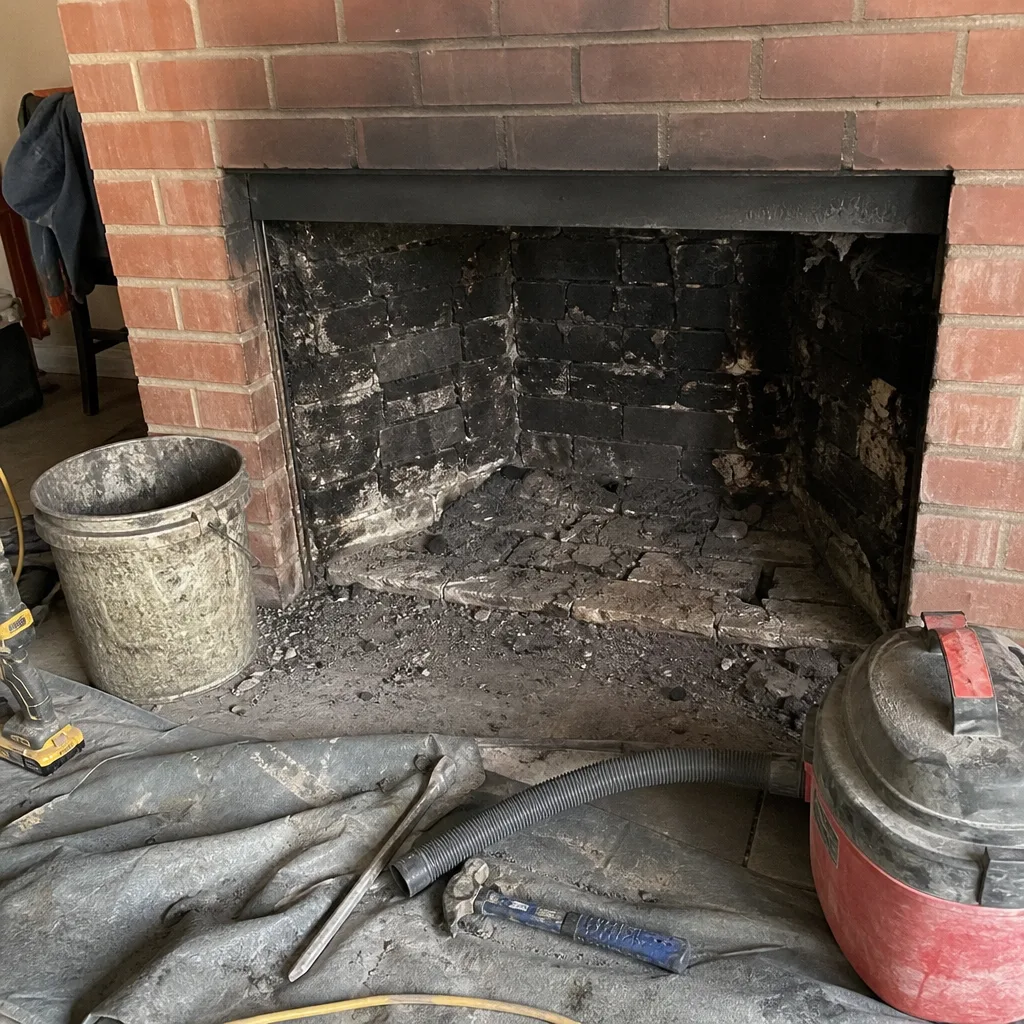 Before
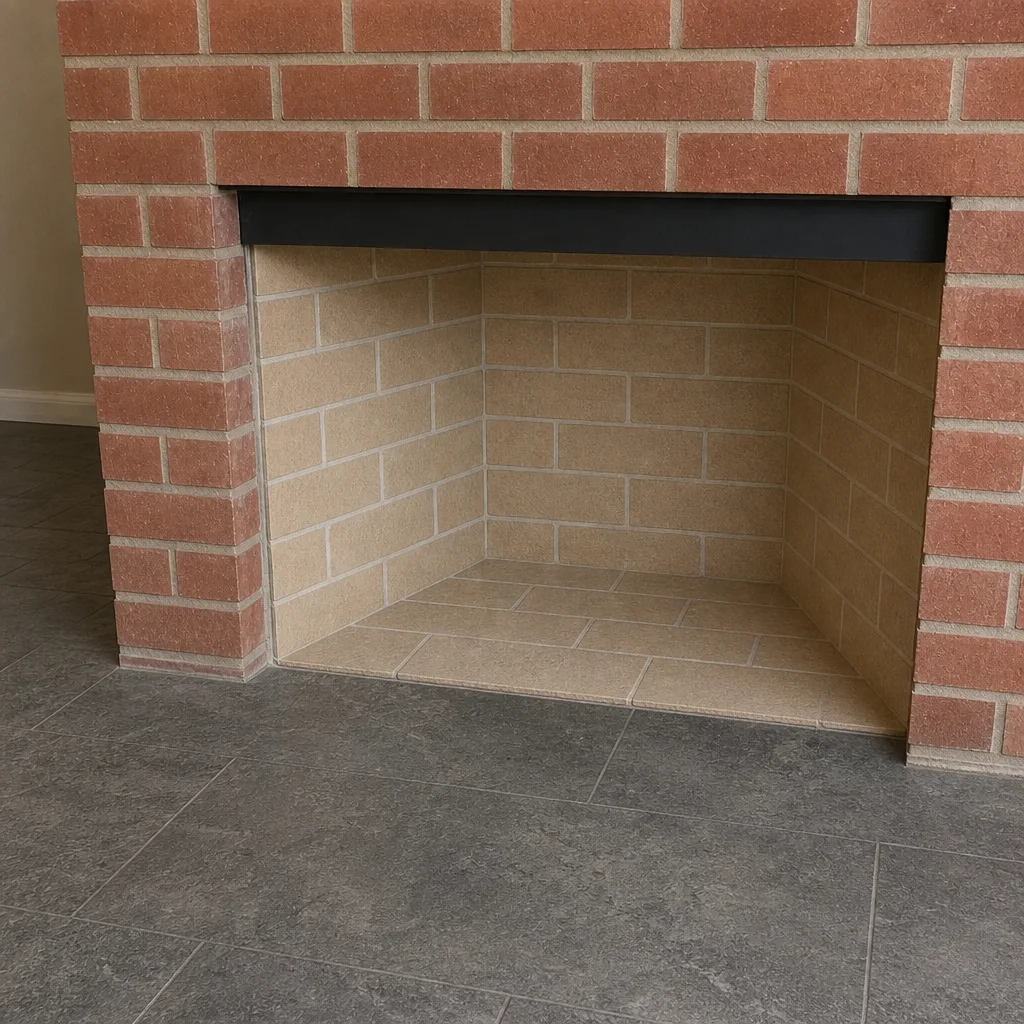 After
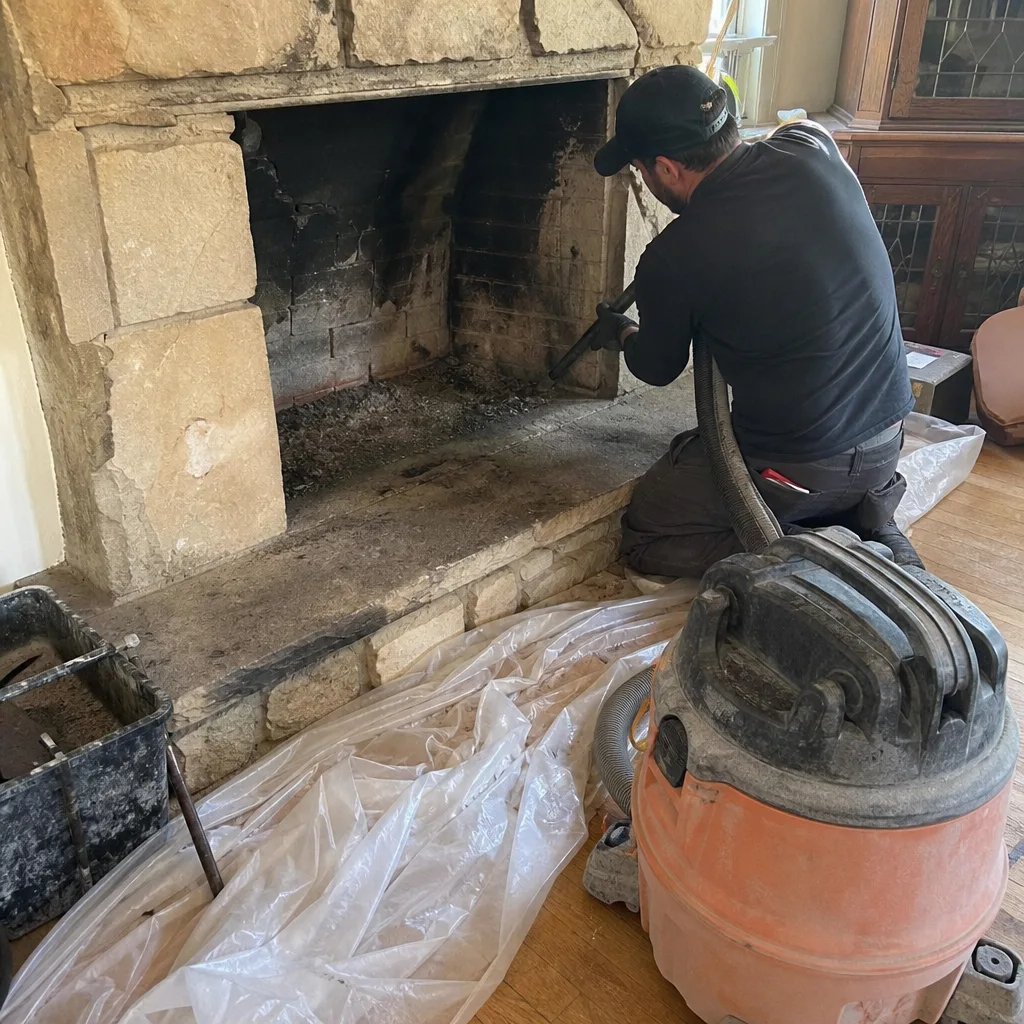 Before
 After
 Before
 After