
Last updated November 4, 2026
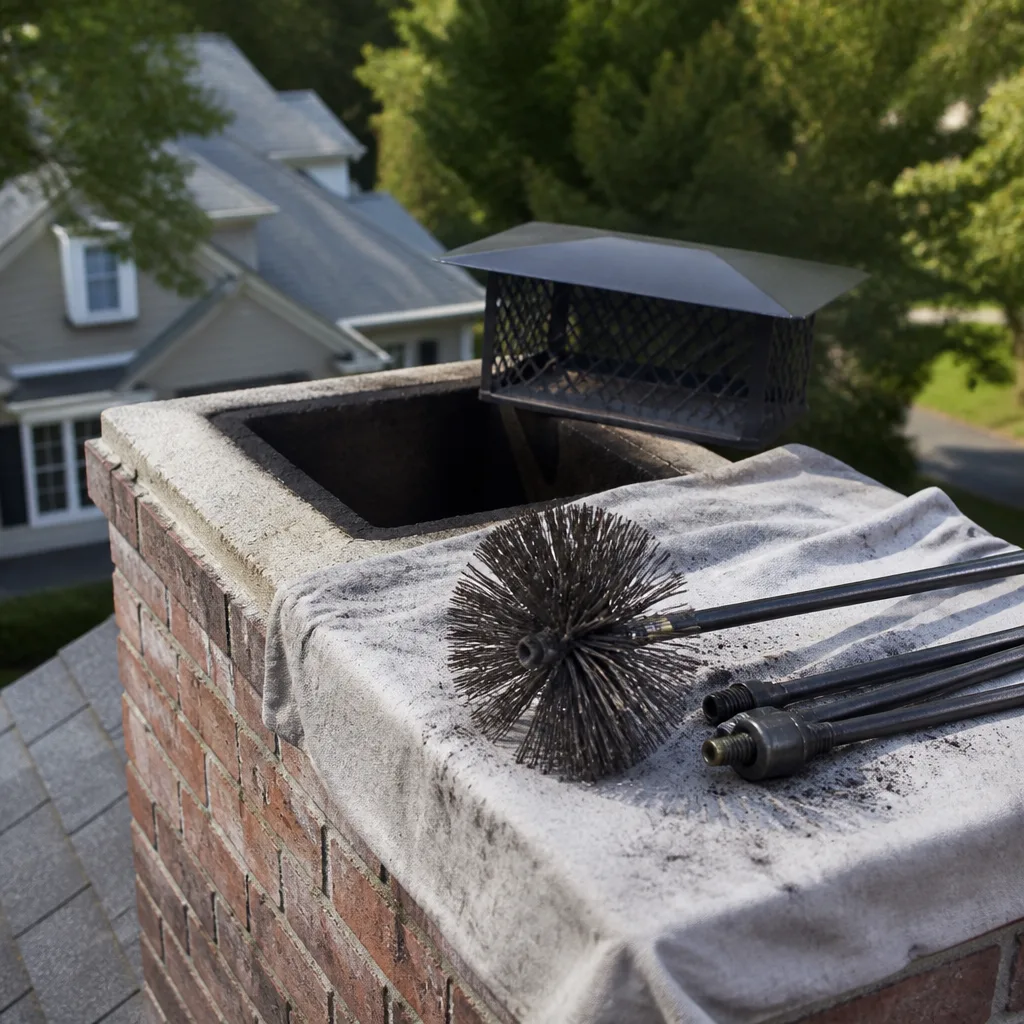 Sweep & inspection
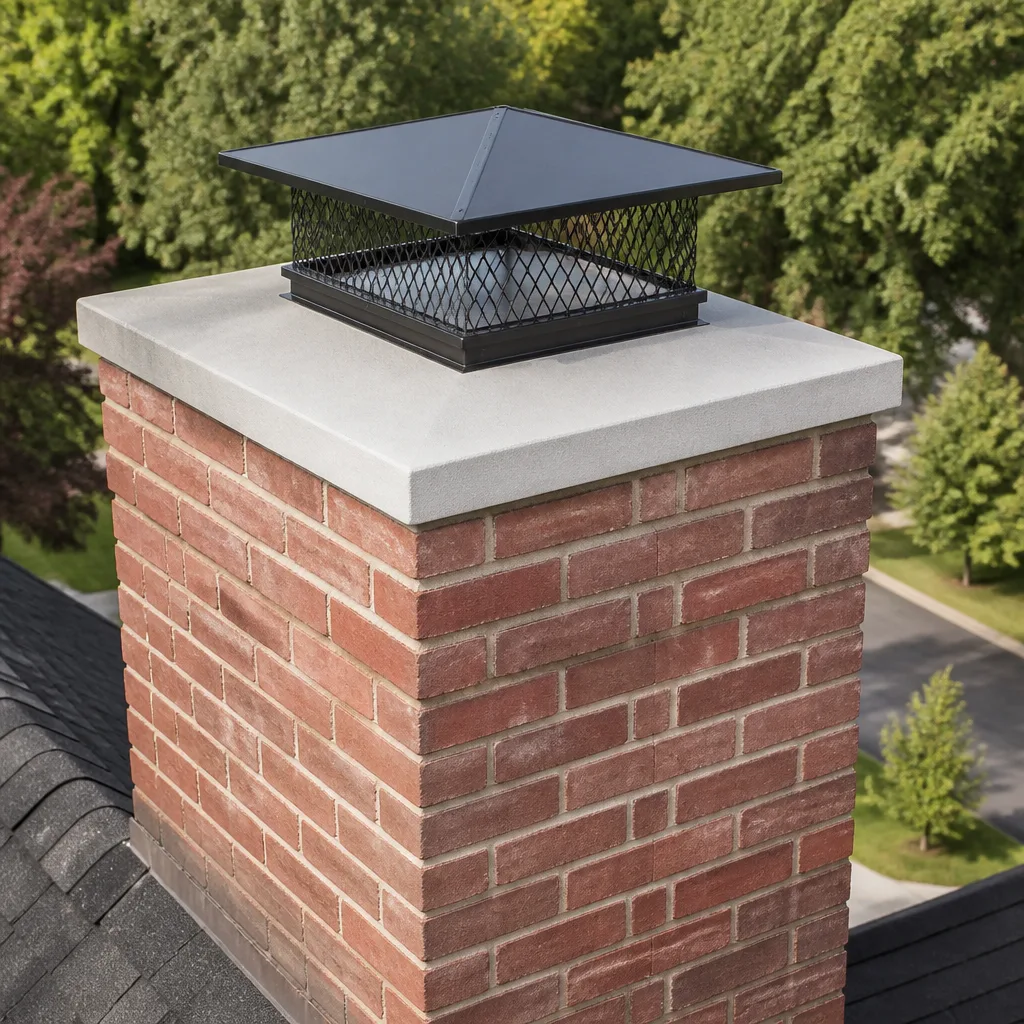 Caps & crowns
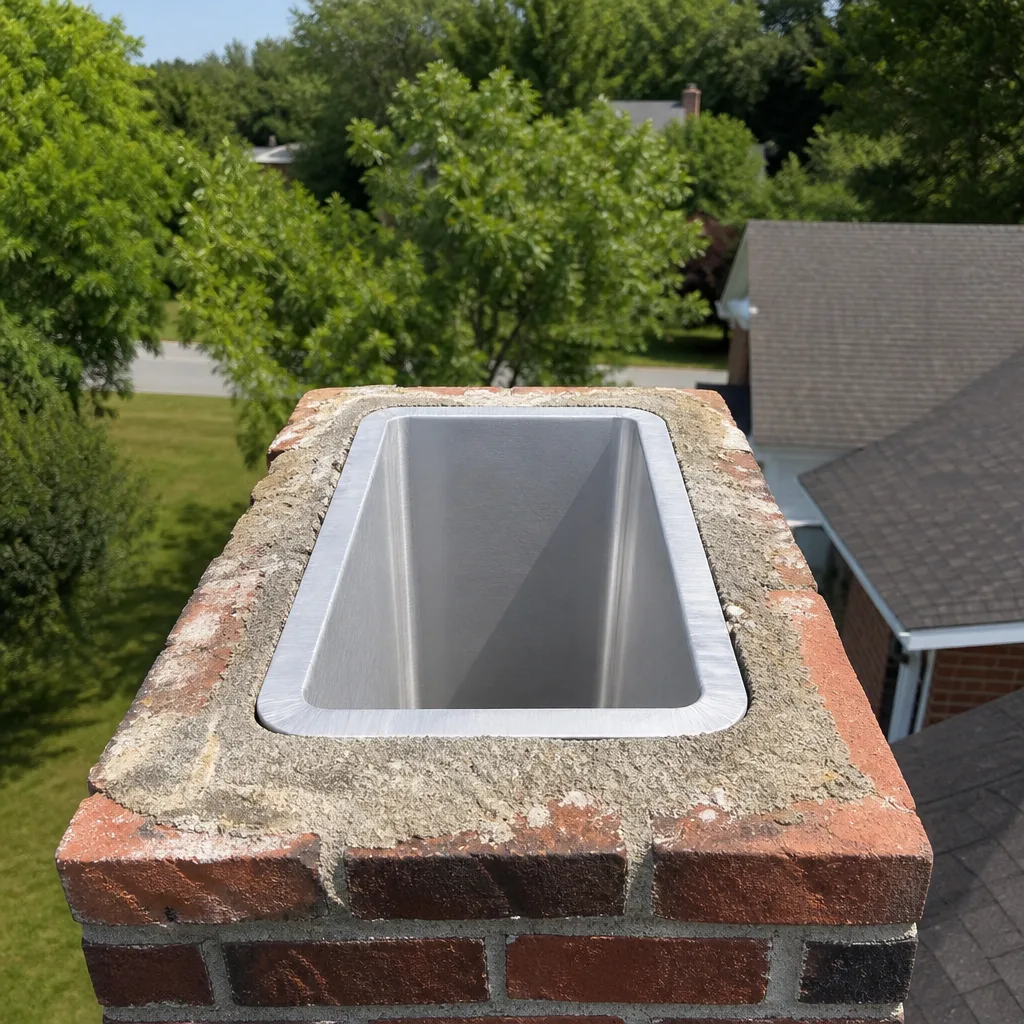 Flue relining
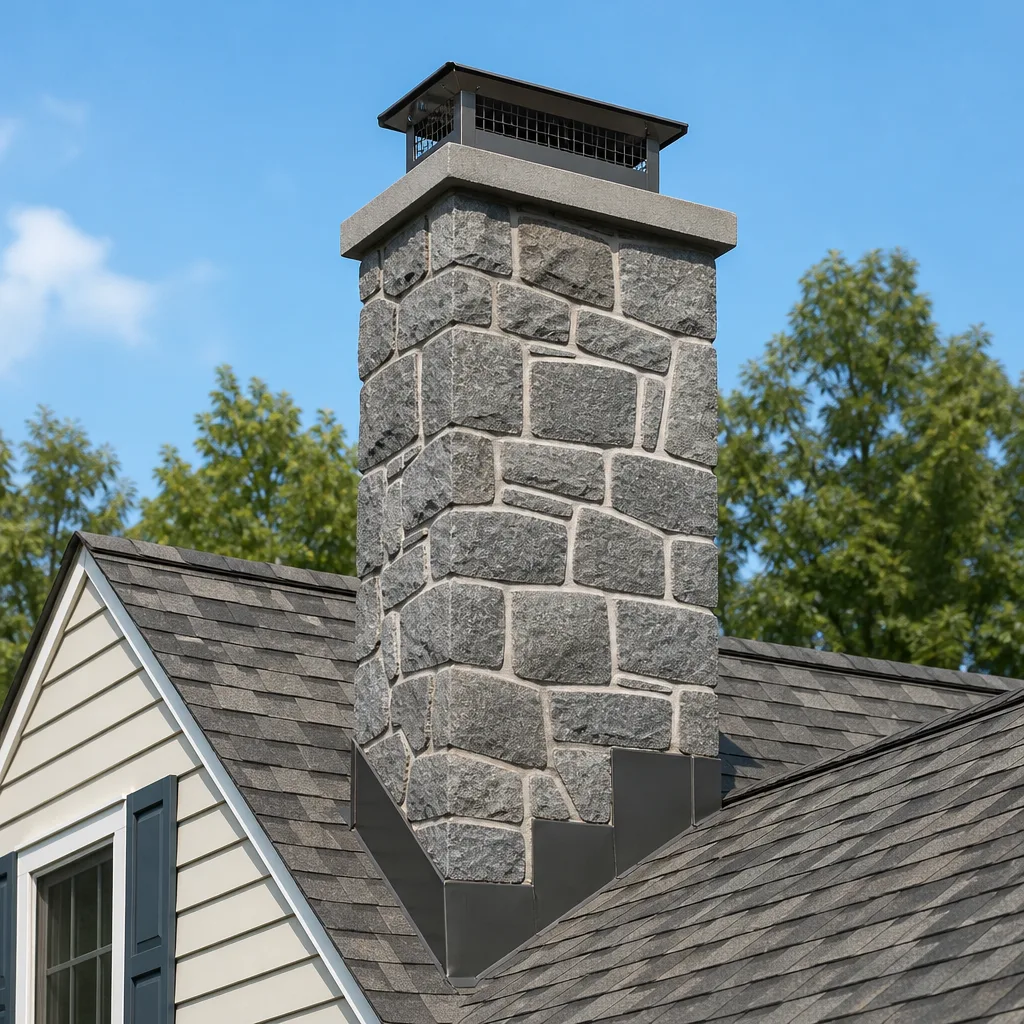 Masonry repair
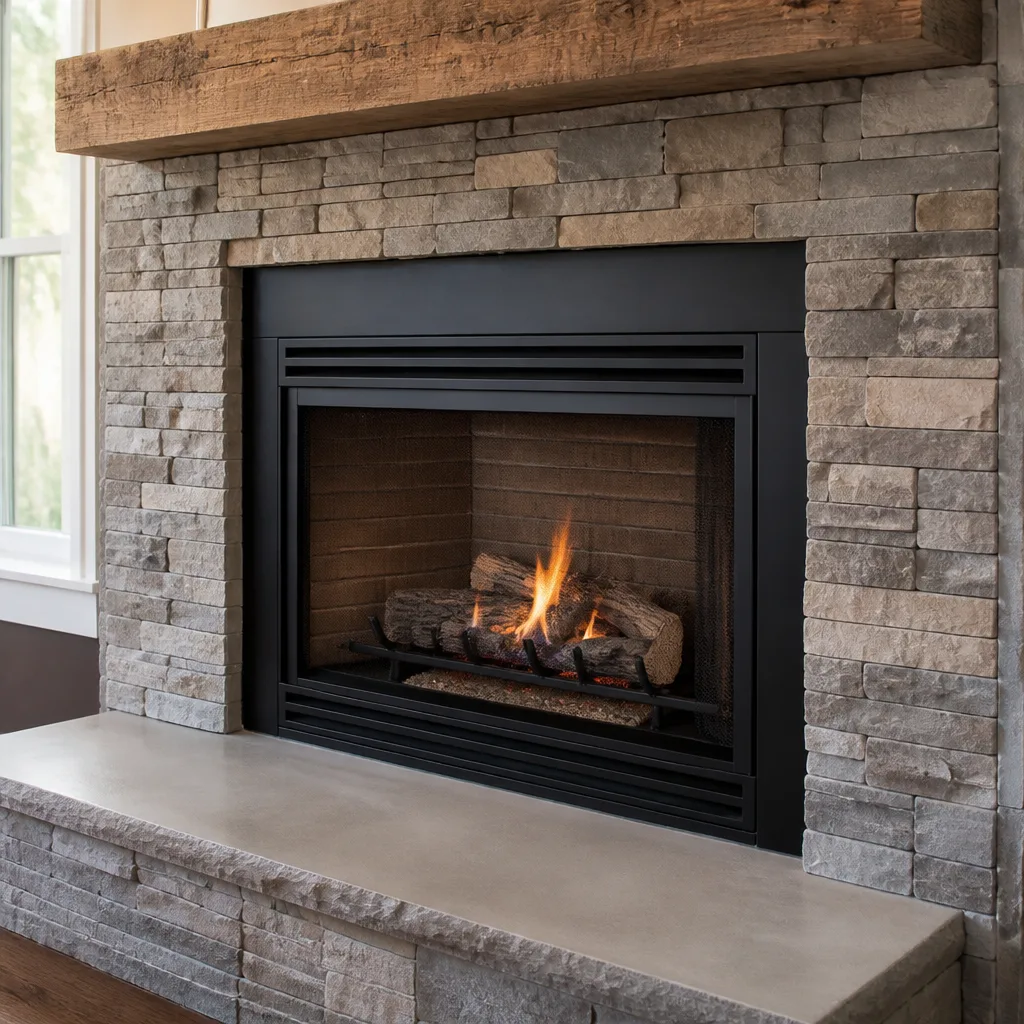 Gas fireplace service
Level 1 sweep and inspection to the NFPA 211 annual standard - flue, crown, cap, and flashing checked and photographed
Chimney sweep logs do not sweep chimneys. They loosen some creosote - which then falls where a brush and vacuum still have to collect it.
Chimney Sweep Maintenance Checklist for Arleta Homeowners
A chimney that hasn’t been used all summer isn’t a “rested” chimney. It’s had eight months for birds, rats, spiders, and moisture to move in. Arleta’s hot, dry summers and Santa Ana wind events leave behind debris you won’t notice until you light that first fire, and by then some of it can be dangerous. This checklist is built around what actually goes wrong in this specific part of the San Fernando Valley. You’ll learn what to inspect from the ground, what to photograph, when brushing alone isn’t enough, and how to log each service visit so you’re never guessing about your flue’s condition.
Quick Answer
A proper chimney maintenance checklist for Arleta homeowners means inspecting the cap and crown from the ground, checking for pest intrusion after months of non-use, confirming gas log venting clearances if you’ve converted, verifying the damper operates freely, and scheduling a professional sweep when soot buildup reaches 1/8 inch or when you see flaking tile, white staining, or animal debris. Most Arleta homes need a sweep and inspection once a year before burn season, with repairs layered in as the flue ages.
Styles & brands we work with
- Sweep & inspection
- Caps & crowns
- Flue relining
- Masonry repair
- Gas fireplace service
Table of Contents
- Pre-Season Checklist Before the First Fire
- Post-Summer Inspection: Pests, Wind Debris, and Gas Pilot Issues
- How to Check Your Crown and Cap from the Ground
- Where HeatShield Resurfacing Fits in a Multi-Year Maintenance Cycle
- Special Checks for Gas Log Inserts and Converted Fireplaces
- Record-Keeping: What to Log After Every Service Visit
- Common Mistakes to Avoid
- When to Call a Professional
Pre-Season Checklist Before the First Fire
If you own a wood-burning fireplace in Arleta, the first cool evening in October or November is when most people decide to light a fire. That’s also when problems buried since March suddenly surface. Working through this checklist before that evening saves you from discovering a bird’s nest the hard way.
- Look up the flue opening from inside the firebox. Use a flashlight and angle it upward. You should see a clear path to the cap. Obstructions, hanging twigs, or a visible nest mean you should not light a fire until it’s cleared.
- Open the damper fully and leave it open for a few minutes. A damper that sticks, squeals, or won’t stay open usually has rust or creosote buildup at the pivot point. Don’t force it further, that’s how linkage arms bend.
- Check for visible soot accumulation on the damper shelf and smoke chamber walls. Soot that you can scrape off with a fingernail is starting to build. If it’s thicker than about 1/8 inch or appears shiny and tar-like, the flue is in stage two creosote territory and needs brushing before use.
- Sniff the firebox. A sharp, acrid smell on a warm day is often creosote off-gassing, especially in Arleta where summer heat bakes the flue. It’s a signal that deposits have accumulated and may be trapping moisture.
- Verify the firebox floor and back wall are intact. Cracked firebrick or missing mortar joints expose the firebox shell to direct heat. Hairline cracks are normal as fireplaces expand and contract with seasonal temperature swings, but gaps wider than a dime need attention.
- Test your carbon monoxide detector before the first burn. This is non-negotiable. Any fuel-burning appliance in an Arleta home should have a working CO detector on the same floor, and one battery test takes thirty seconds.
For gas fireplaces, the pre-season list shifts slightly. Check that the glass panel seats correctly against the gasket, no paint cans or combustibles have migrated near the unit over the summer, and the wall switch or remote is functioning. Gas units still need chimney sweeping because they vent combustion byproducts, even without visible smoke.
Get Your Chimney Ready for Burn Season
Call chimney sweep services in Arleta for a professional inspection. We’ll spot issues before the first fire. We answer 24/7. Fast dispatch from 7am to 7pm, Sunday through Friday.
Post-Summer Inspection: Pests, Wind Debris, and Gas Pilot Issues
Every Arleta spring, when the last fire goes out and the damper closes, the chimney enters a long dormant stretch. Birds nest on caps. Rats, which are active throughout the Valley, find their way past damaged spark arrestors. Spiders build webs in gas pilot assemblies. Santa Ana winds in the fall push leaves, dust, and debris into uncapped or poorly capped flues. None of these issues announce themselves until you go looking.
Animal intrusion is the most common finding we see in Arleta chimneys that sit unused from April to October. Starlings and sparrows nest on the smoke shelf, masonry bees bore into soft mortar joints, and rodents leave droppings and nesting material in the firebox. Bird nests aren’t just a nuisance, they’re a serious fire hazard when they dry out and sit above a fire. A professional sweep removes them and, where needed, installs or repairs the cap that let them in.
For homes with gas fireplaces, pay attention to the pilot. If your gas logs light but the flame is weak, lazy, or yellow-tipped, something is blocking the burner ports or the pilot assembly. Spiders are attracted to the smell of the odorant in natural gas and can web over the pilot orifice. This isn’t a defect; it’s a known issue with gas units in the Valley, especially after months of disuse. A technician can clear the ports, confirm the flame pattern is clean, and verify the thermocouple is reading properly.
Wind-driven debris is another post-summer issue specific to Arleta. Santa Ana events strip leaves and twigs and send them across rooftops. If your cap is missing, damaged, or was never installed correctly, that debris funnels straight down the flue and collects on the smoke shelf. You can often see a pile of leaves from the firebox with a flashlight. That pile is exactly where the heat from your first fire will go if it’s not removed.
How to Check Your Crown and Cap from the Ground
You don’t need a ladder to perform a meaningful chimney inspection in Arleta. A pair of binoculars from the backyard or front walk gives you enough detail to spot the early warning signs of water intrusion and cap failure. Here’s what to look for and what to photograph.
- Stand at least 30 feet back from the house. This angle lets you see both the cap and the full crown surface. Looking straight up at a chimney from directly below often hides problems behind the flue tile.
- Examine the mortar crown first. Arleta homes, many built with stucco-clad chimneys from the 1950s through 1980s, age in predictable ways. The crown, which is the concrete or mortar slab at the very top, should slope away from the flue. If it’s flat, cracked, or spalling, water has a way in. Photograph any cracks you can see, using the flue tile as a reference point so the photo has context.
- Check the cap and spark arrestor. The cap should sit squarely on the crown with no visible gaps. A tilted cap means the screws have loosened or the crown under it is failing. If the mesh spark arrestor is dented, rusted through, or pushed inward, animals have likely already probed it.
- Look for white staining or efflorescence. White streaks down the brick or stucco mean water has saturated the masonry. That’s a sign the crown or a mortar joint is leaking. In Arleta’s climate, where rain comes in short but intense bursts, a cracked crown can channel surprising amounts of water into a chimney over just one wet season.
- Scan the stucco surface for hairline cracks or soft spots. Stucco-clad chimneys are common here, and stucco hides crown deterioration until the very top shows symptoms. If you see a diagonal crack running down from the crown, water has been tracking that path for a while.
- Photograph everything you find. Three to five clear photos, saved with the date, become your visual log. When a technician visits, those photos help them understand what you’re seeing and what’s changed since last season.
None of this replaces an inspection from the roof. But for homeowners who want to know whether a call is urgent, ground-level observation catches the most common issues before they become internal wall damage or ceiling stains.
Where HeatShield Resurfacing Fits in a Multi-Year Maintenance Cycle
Regular sweeping removes creosote and debris, but it can’t reverse what heat and time do to a flue liner. That’s where a resurfacing system like HeatShield comes in, and it’s a distinction Arleta homeowners benefit from understanding before a problem shows up as a repair quote.
Most clay tile liners in San Fernando Valley chimneys are original to the home. Decades of heating and cooling cycles stress the mortar joints between tiles. Gaps open. Soot and creosote push into those gaps where a brush can’t reach them. At that point, annual sweeping keeps things passable, but the liner’s structural integrity is compromised. The next step is either a full liner replacement or a resurfacing treatment.
HeatShield is a ceramicfied resurfacing system that restores a failing flue from the inside. The technician applies a joint repair material to seal gaps between tiles, then coats the flue interior with a Cerfractory material that sets into a smooth, insulated surface. The result is a flue that’s sealed, insulated, and rated for continued use. We use it in Arleta when a chimney has moderate flue damage that doesn’t warrant a full DuraFlex liner installation but has moved beyond what a brush-and-vacuum sweep can address.
For homeowners tracking their maintenance history, the progression usually looks like this: years one through five, annual sweeps and minor mortar work. Sometime around year eight to twelve, depending on usage and the quality of the original liner, signs of spalling or joint separation appear. A chimney technician documents the condition with camera inspection, and the homeowner decides between resurfacing now or liner replacement later. HeatShield extends the life of the chimney without the cost and disruption of a liner pull, but it’s not a fit for every situation. A camera inspection tells the difference.
Special Checks for Gas Log Inserts and Converted Fireplaces
Arleta has seen a steady wave of fireplace conversions over the last decade. Wood-burning fireplaces in 60-year-old Valley ranch homes become gas log sets, and owners get heat without hauling firewood. But the chimney still needs maintenance, and the maintenance list changes when gas is the fuel.
Venting Clearances Matter More Than Most People Assume
Gas logs burn cleaner than wood, but they still produce carbon monoxide and heat. The flue must be open when the logs are burning, even if the set is “vent-free” by rating. In Arleta homes with original clay tile liners, the conversion often leaves the damper ajar in a fixed position. That’s normal, but it must be verified. A damper that’s clamped fully open on a gas log set is working as intended; one that has drifted or been moved is a hazard. The burner should never operate with the damper closed.
Burner Ports and Flex Connector Condition
Gas log burners collect dust and spider webs in the off-season. When the first use happens, clogged ports create uneven flames, which leads to sooting on the glass and, in some cases, gas pooling in the firebox. A visual check with the glass removed is part of any professional gas fireplace service. The flex connector, the corrugated stainless line running from the gas valve to the burner, should show no kinks, cracks, or corrosion. In our experience, connectors in Valley homes installed during the push to convert in the 2000s are starting to reach the age where visual inspection matters every year.
Glass Gasket and Seal Integrity
Direct-vent and vented gas inserts have a glass panel sealed against a fiber gasket. If that gasket flattens or tears, combustion air drafts in where it shouldn’t, and exhaust can seep into the room. The check is simple: open the glass, look at the gasket, run a finger along it, and see if it springs back. Flat spots and tears mean replacement. A $40 gasket is worth more than a CO alarm going off at midnight.
Gelco products are common in these conversions because they’re built for the realities of gas fireplace retrofits: existing masonry openings, odd dimensions, tight clearances. When a gas set is installed or serviced in Arleta, the details are what keep it safe.
Record-Keeping: What to Log After Every Service Visit
Most homeowners in Arleta can’t tell you when their chimney was last swept. They know it was done, maybe by the previous owner, maybe by a handyman who didn’t leave a receipt. That gap in the record matters when something goes wrong. Insurance companies want documentation. Home sales create disclosures. And honestly, your own money is on the line every time a repair is recommended, because without history, you’re trusting the word of whoever holds the flashlight.
Start a simple log. It doesn’t need to be elaborate. A note on your phone or a page in a folder works. After every sweep, inspection, or repair, record these items:
- Date of service. Month and year are enough for most purposes.
- Service performed. Sweep, inspection, repair, resurfacing, or liner work.
- Findings from the camera inspection. If a technician ran a camera, ask for the footage or at minimum a written summary of what the camera showed. We provide both on every inspection.
- Materials used. If a repair involved specific products from a brand like Olympia Chimney, write that down. It tells the next technician what they’re working with and shows you track what goes into your home.
- Technician’s name and company. It preserves continuity when different companies service the chimney over the years.
- Photos taken. Reference them in your log so you can compare next year’s condition.
For Arleta homes with older chimneys, this log becomes the evidence of a maintained system. If a flue fire happens, insurance adjusters look for proof of regular maintenance. A five-year history of sweeps and inspections is far better than a blank page. If you sell the home, the log transfers and becomes a selling point rather than a disclosure problem.
Beyond insurance, this log helps you make better repair decisions. A HeatShield resurfacing or a liner installation is a multi-thousand dollar decision. A homeowner with five years of logged camera inspections has real data about how fast the flue is degrading. A homeowner without logs is making that call from a single visit’s findings. The log is leverage.
Common Mistakes to Avoid
- Skipping the sweep because you “didn’t use it much.” Light usage doesn’t prevent pest intrusion, wind-driven debris, or moisture entry. Arleta homeowners who burned only a few fires last winter still need an annual inspection, because the off-season does its own damage.
- Trusting a ground-level glance to replace an inspection. Binoculars catch crown and cap issues. They cannot see inside the flue, behind the stucco, or into a smoke chamber. A visual roof inspection and camera run reveal what the ground view can’t.
- Hiring a sweep based purely on price. A low-bid sweep may not be pulling the proper equipment or documenting findings with cameras. The difference between a $99 sweep and a professional inspection is often the difference between a brushed flue and a diagnosed problem.
- Ignoring the dryer vent while fixing the chimney. Your dryer vent runs through the same walls and carries the same category of fire risk. An Arleta home with a clean chimney and a packed dryer vent has only solved half the problem.
- Running gas logs with the damper closed. This is one of the most common carbon monoxide mistakes in converted fireplaces. The damper must be clamped open, and the loader must be verified. If you’re not sure, get it checked before the next burn.
- Waiting until the first cold night to discover a problem. Every October, the calls start: “something smells weird,” “the damper won’t open,” “there’s a nest.” By then, the pressure is on. Service in early fall is faster, calmer, and less likely to land you on a waitlist.
- Not photographing issues when you spot them. A crack you notice in August and photograph is far more useful than trying to describe it from memory in November. Photos with dates create accountability and a reference point.
When to Call a Professional
Some things on this checklist are safe and simple to do yourself, from the ground, with a flashlight and binoculars. Others need a professional. Call when you see animal debris in the firebox or flue, when the damper won’t move, when you see white staining on the chimney exterior, when creosote buildup is visible and shiny, when gas flames burn yellow or lazy, or when your CO detector has gone off near the fireplace. A professional Chimney Sweep Arleta technician can evaluate the full venting system, camera the flue, and give you a written report that separates what needs work now from what can wait. If you’re in Arleta, free estimates are available, call (833) 958-9616.
See the difference
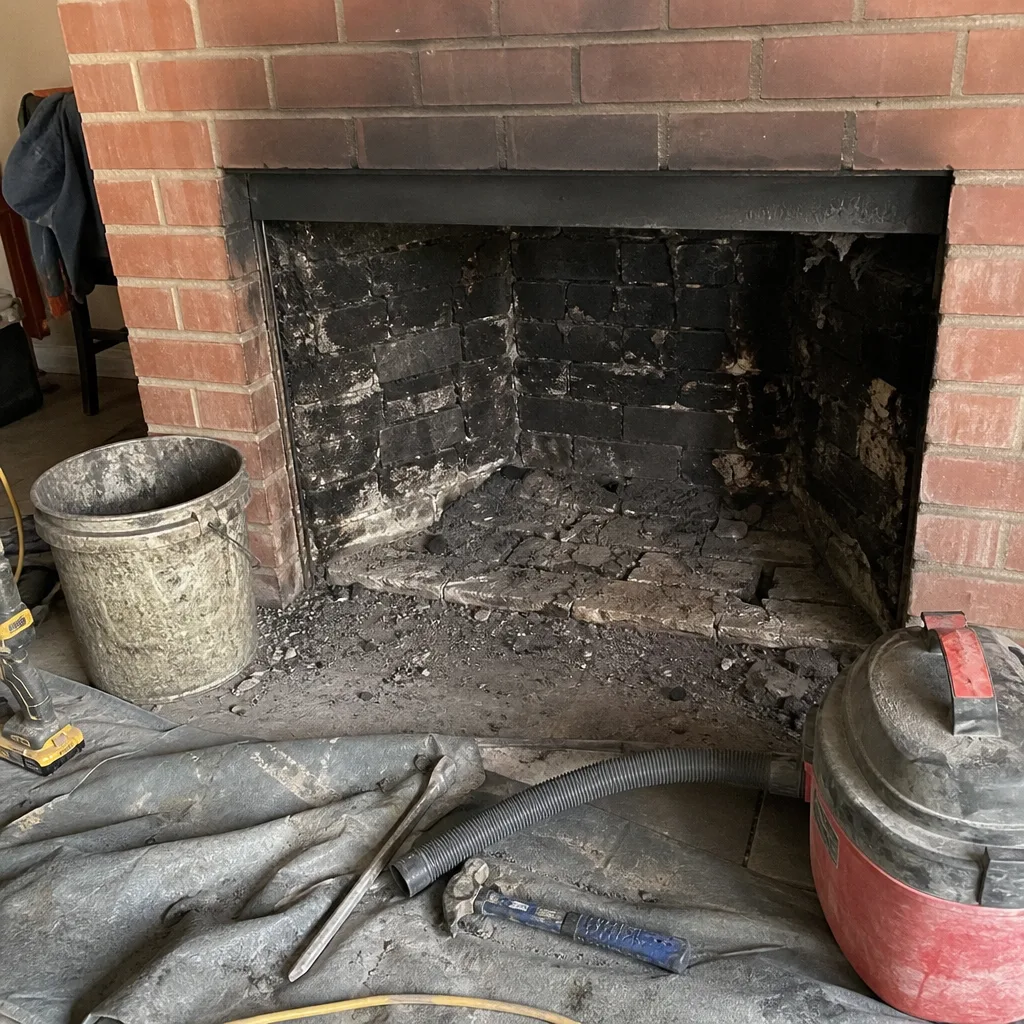 Before
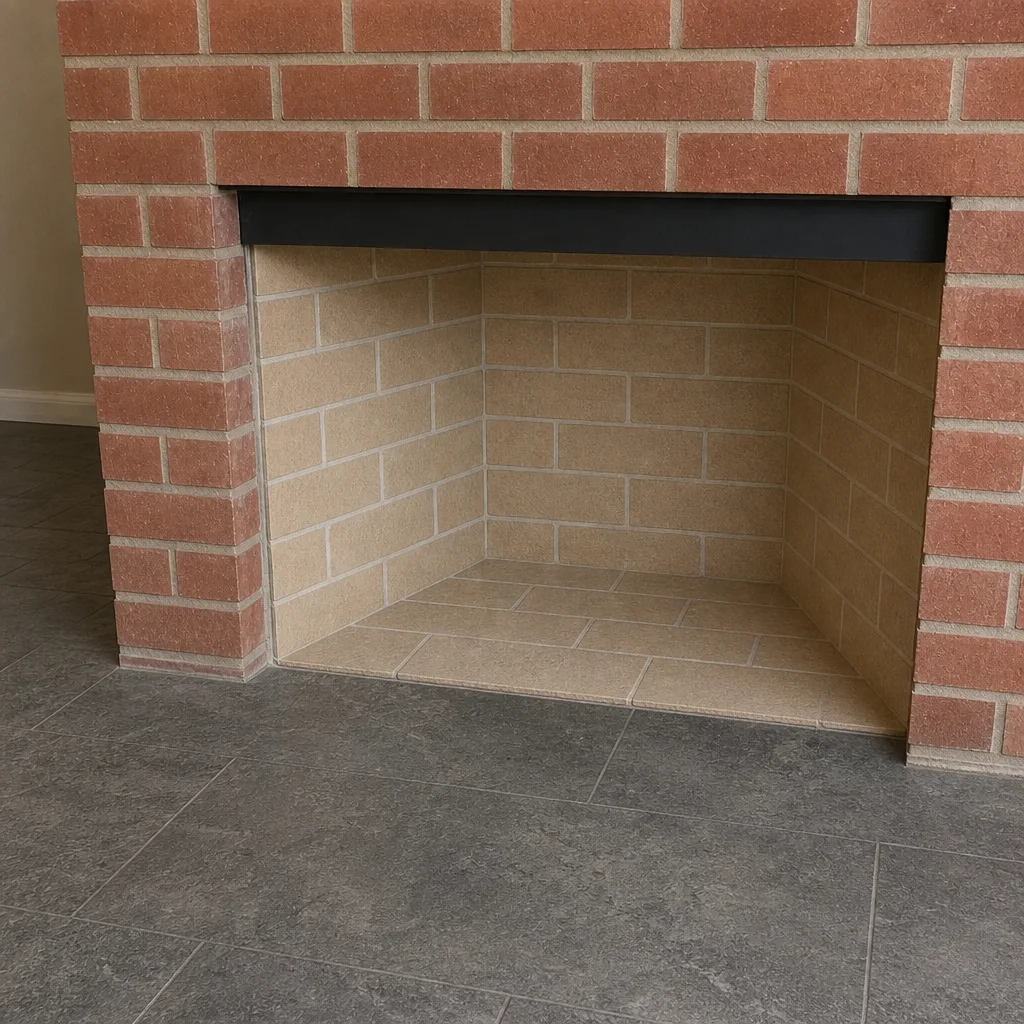 After
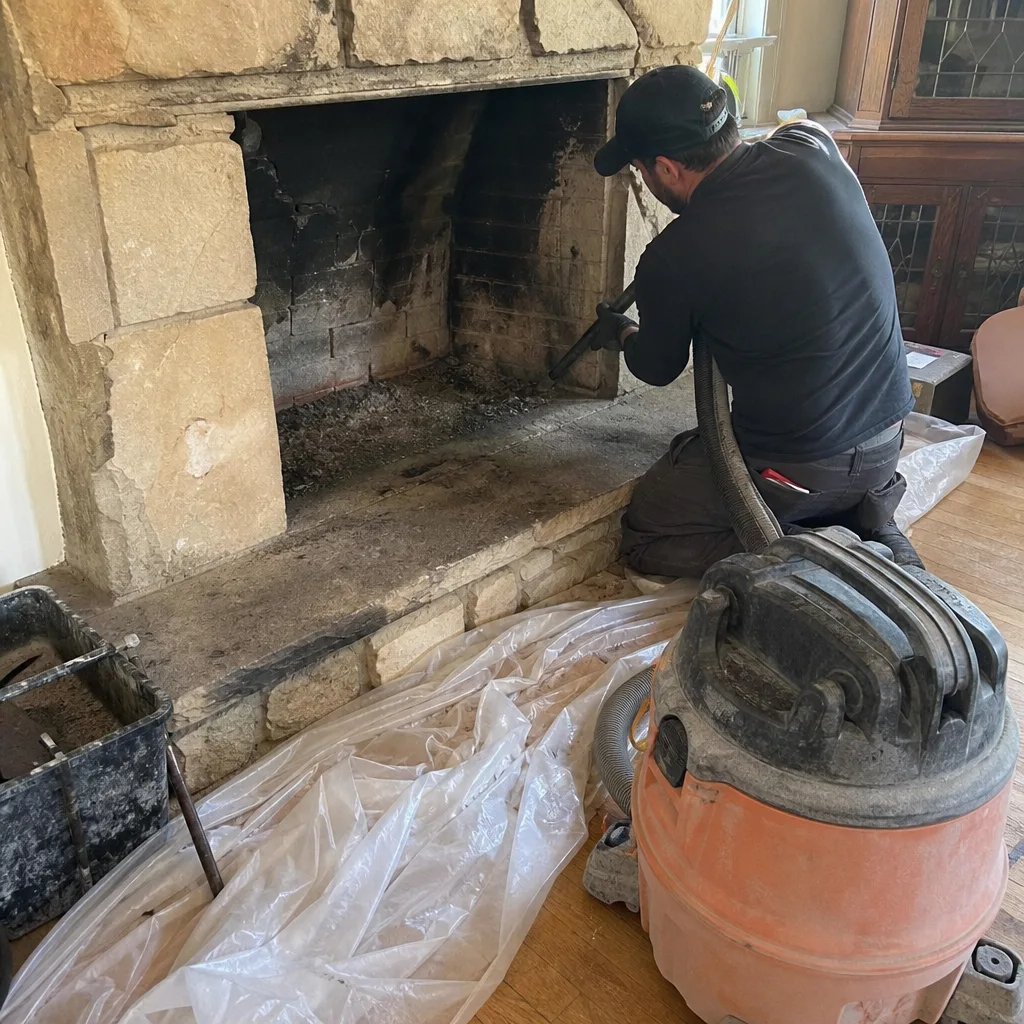 Before
 After
 Before
 After
Frequently Asked Questions
Once a year, before burn season, is the general rule for wood-burning fireplaces in Arleta. Homes that burn frequently or burn unseasoned wood may need more frequent service, and gas fireplaces still need an annual inspection even though they don’t create creosote the way wood does. Call (833) 958-9616 to schedule a sweep and see what your chimney actually needs.
Chimney sweeping in Arleta typically falls between $150 and $300 for a standard open fireplace, depending on flue condition, accessibility, and whether animal removal or cap repair is needed. The written estimate sets the final price, and estimates are free. Call (833) 958-9616 for an exact quote on your chimney.
Yes. Gas fireplaces vent carbon monoxide and heat continuously, and they can collect dust, spider webs, and mineral deposits in the burner and venting. An annual gas fireplace service in Arleta checks the burn, the glass gasket, the damper position, and the flue path, and it’s the same appointment where most CO risks are caught.
Common signs in Arleta include scattered twigs or nest material in the firebox, scratching or chirping sounds coming from the chimney, droppings, or a strong odor on warm days. If you see any of these, do not light a fire. The nest is combustible and blocking the flue moves heat and smoke where it shouldn’t go. Call (833) 958-9616 to have it removed. We answer 24/7.
A camera inspection is the only way to verify the flue liner’s condition. What looks like routine soot from the firebox may be hiding cracked tiles, failed mortar joints, or water damage further up. In our experience, homeowners are often surprised by what the camera shows, which is why we include photo documentation on every inspection in Arleta. The footage tells you exactly what you’re looking at.
Chimney cleaning logs help loosen some creosote, but they are not a substitute for a professional dryer vent cleaning or chimney sweep. They don’t remove built-up deposits, they can’t clear blockages, and they give no information about the liner’s condition. A professional sweep physically removes what’s there and verifies the flue is safe to use.
The Bottom Line
A chimney maintenance checklist only works if it matches the home it’s written for. In Arleta, that means accounting for months of disuse, pest pressure, stucco-clad chimneys that hide damage, and gas conversions that change the maintenance requirements entirely. Inspect from the ground before burn season, log every service, use a professional when the camera is needed, and don’t leave the dryer vent off the list just because it’s not in the fireplace. Ten minutes of outside inspection and one scheduled sweep prevent most chimney problems before they get expensive.
Written by the team at Chimney Sweep Arleta, serving Arleta since 2017.